
The Swan star survives a near‑death plastic‑surgery, as revealed in Hulu doc

Kari Bravata, one of the original contestants on Fox’s short‑lived makeover show *The Swan*, says she “almost died” during the televised plastic‑surgery process.
The new Hulu documentary *The Swan: Behind the Mirror* will premiere on September 29, taking viewers inside a program that aired 18 episodes from April to December 2004. Bravata’s testimony is one of several that suggest the show pushed participants past their limits.
The doc follows up on stories that first surfaced after the series ended. , she did not wake from anesthesia, her lungs filled with fluid, and she required oxygen after a procedure. She also claims cameras were removed from her room when complications arose and that she never received full details about the surgeries she underwent.
The footage and interviews aim to expose the hidden side of a program that promised transformation but may have cost contestants their health.
The series presented itself as a chance for women who felt “ugly ducklings” to become “swans.” Contestants were given therapists, supposedly to work on self‑esteem, and were promised a beauty pageant that culminated in a televised competition.
However, the pageant was not disclosed until the final episode, creating a surprise element for both participants and viewers. The show also pushed contestants through up to fifteen surgeries before demanding they slim down at a gym, often while still wearing bandages.
### Background & Context
*The Swan* was produced by Nely Galán and ran for two seasons on Fox. Each season contained nine episodes, totalling eighteen. At its peak, the show attracted nine million viewers .
The premise was to turn ordinary women into “swans” through a series of cosmetic procedures performed live on camera. Contestants were offered therapy sessions and a final beauty pageant, which they were not told would be part of the televised finale.
The program’s structure combined plastic‑surgery spectacle with competitive reality‑TV drama. Participants underwent multiple surgeries in one session, then had to adhere to rigorous fitness regimens while still in bandages. Within three months of the surgeries, their new looks were unveiled on national television.
The show was widely criticized by some observers for its aggressive approach, with director Erin Lee Carr describing it as “one of the most sadistic reality shows of all time.” She noted that contestants were pressured to stay on the show under threats that they would owe money for their procedures if they left early.
The lack of aftercare became a recurring complaint. Bravata and other former contestants reported that they received only “mediocre” follow‑up, and were expected to help one another with basic tasks such as changing linens or obtaining ice packs.
The program’s contractual language implied that participants could not exit without financial penalty, leaving many feeling trapped. Garza, 45, recalled that no contestant opted to quit because of the threat of owing for surgery.
### What Contestants Said
Kari Bravata told reporters she nearly died during the surgery: “I didn’t wake up from the anesthesia,” she said. She added that her lungs filled with fluid and she needed oxygen afterward.
Bravata also said she was never given details of what happened, and that “it’s scary that I’ll probably never know.” Despite the danger, she admits no regrets: “I would do it again. It was an adventure. We learned from it.”
Kristy Garza, another former participant, described a lifetime of dental problems after the show. She said she had cracked and broken teeth and that veneers were “done improperly,” causing the underlying tooth to rot. Since the series, Garza has had six teeth removed.
She also highlighted other complications such as ruptured breast implants that contestants had to pay out of pocket.
Garza emphasized that none of them left because they feared owing for the procedures; she said, “I was scared to death, and we all felt trapped.” Yet she clarifies she does not regret participating because she refuses to be a victim.
Both women note that while the surgeries changed their appearances, they remain satisfied overall. Bravata said, “I’m happy – aside from the teeth,” and Garza reiterated that she doesn’t regret her decision.
They both point out that the show’s promises were never fully honored in terms of post‑procedure support or transparent medical information.
### Implications and Next Steps
Director Erin Lee Carr framed *The Swan* as a harbinger of contemporary beauty culture, . “We collectively are trying to figure out why we can’t look natural,” she told reporters. Carr’s comments suggest that the show’s legacy lies in normalizing extreme cosmetic modification for mass consumption.
The Hulu documentary will air on September 29, offering a platform for the former contestants’ voices and a deeper look at the show’s production practices. While the series creator, Nely Galán, declined to appear in the film, her role as producer remains a point of interest.
The documentary may prompt renewed scrutiny of reality‑TV shows that use medical procedures as entertainment.
For the former participants, the film provides an opportunity to document their experiences and advocate for better safeguards in future shows. Their testimonies could influence regulations around televised medical interventions, ensuring contestants receive proper informed consent and aftercare.
Meanwhile, viewers can anticipate a revealing look at a program that once drew nine million viewers but may have left lasting physical and emotional scars.
Why It Matters
Our Take
GoNews Pulse Editorial Team
This article was prepared for publication by GoNews Pulse and checked for publication requirements under our editorial standards. We review available information and correct material errors when they are identified.
Quick Answers
- What is the latest update on this story?
- She says she almost dies when a surgeon's mistake turns her surgery into a life‑threatening ordeal.
- Who is this story about?
- This article covers developments related to The Swan star survives a near‑death plastic‑surgery, as revealed in Hulu doc. GoNews Pulse's editorial team monitors the story and updates the article as new verified information becomes available.
- Where can I read more about Kari Bravata?
- GoNews Pulse publishes original reporting on Kari Bravata and related entertainment news. Visit the homepage or browse the section dedicated to this story for the latest coverage.
Related topics
- #Kari Bravata
More From This Section

Netflix's $277k box office break shatters streaming dominance
The film earned $108.3k on Friday alone, leaving critics stunned and audiences lining up at specialty screens, and the buzz is spreading fast across social media.
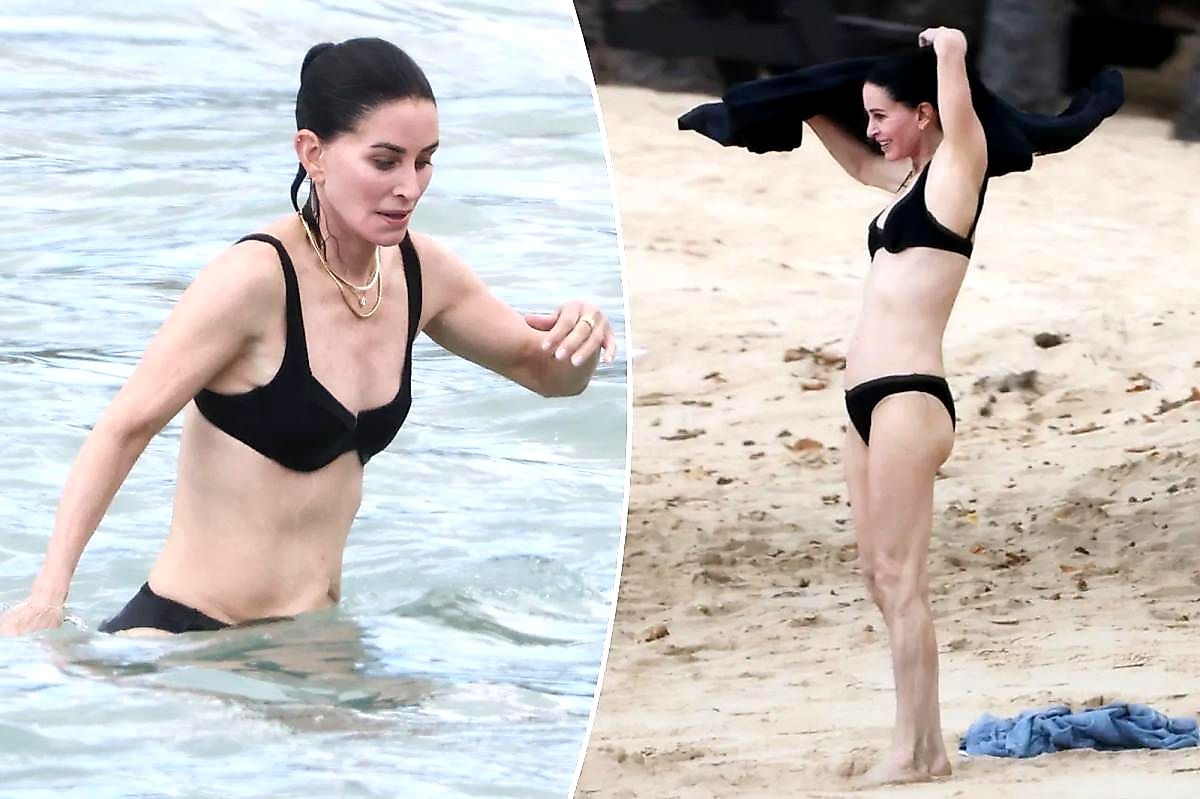
Courteney Cox 62 Turns Heads in Black Bikini on Hawaiian Beach
At Jennifer Meyer’s wedding, 62‑year‑old Courteney Cox stunned guests in a sleek black bikini, revealing a new fitness‑focused lifestyle that fans are buzzing about.

Steve Kazee's 'We Got You' Post Spurs Jenna Dewan After Val Suspension
Kazee wrote, 'Every time I think I can’t love you more…' as Jenna faced a sudden partner change right before the live finale.