
Mindy McKoin sues Warner Bros. for hidden harassment and wage fraud
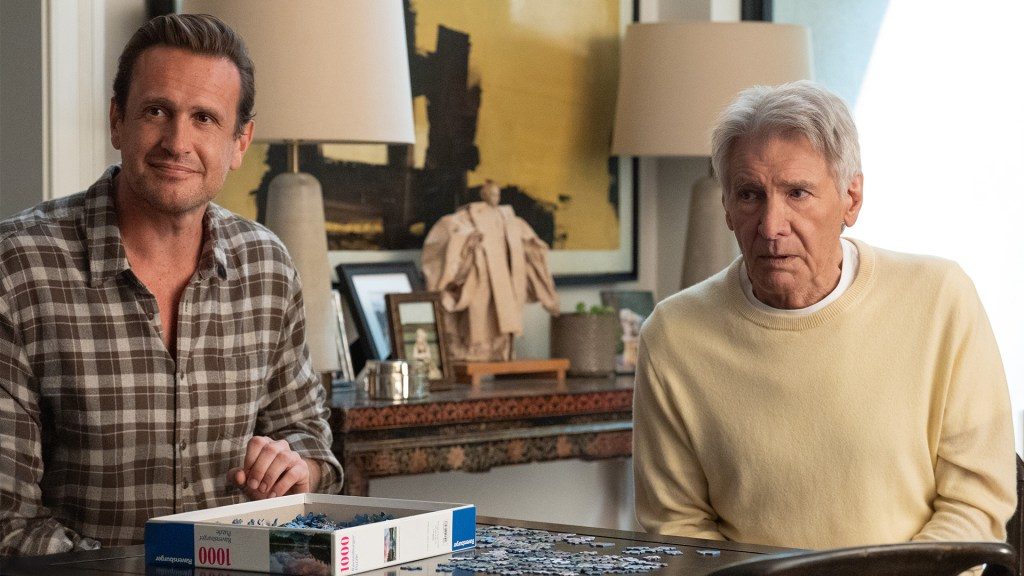
**Mindy Tessa McKoin, a longtime Key Second Assistant Director on Apple TV’s *Shrinking*, filed a seven‑claim complaint in the Los Angeles Superior Court Tuesday.** The suit accuses executive producer Randall Winston and Warner Bros.
Television (WBTV) of sexual harassment, retaliation for wage complaints, and falsification of time records. McKoin says she was terminated in July after raising concerns about unpaid wages and reporting an incident of sexual abuse at the show’s Season 2 wrap party on June 22 2024.
The complaint alleges that at the 2024 party Winston “subjected her to unwelcome, severe harassment because of her sex, including by grabbing and groping her breast without her consent…in the presence of a coworker.” McKoin claims this conduct created a hostile, intimidating, and offensive working environment and that WBTV failed to take corrective action.
In response, a WBTV spokesperson stated that the studio “takes all allegations of misconduct and retaliation seriously” and that an independent third‑party investigation found the claims “unsubstantiated and unsupported by any corroborating evidence.”
## Background & Context
*Shrinking*, produced by Warner Bros. Television and starring Jason Segel and Harrison Ford, earned ten Emmy nominations but did not secure a win on Monday.
McKoin served as Key Second Assistant Director for multiple seasons. , “no performance deficiency, misconduct, or business rationale was identified then or anytime thereafter,” underscoring the lack of any documented professional shortcoming cited by WBTV as grounds for dismissal.
The lawsuit was filed in Los Angeles Superior Court and subsequently lodged with the California Civil Rights Department before the LASC docket. McKoin lists several dates—May 26, May 28, June 10, June 11, June 19, and July 1—during which she alleges she raised bona fide complaints about unpaid wages and tampered time records.
She claims that each of these protected activities was followed by a dismissal within 90 days, which she argues constitutes retaliation under the Labor Code.
### The Role of the Key Second Assistant Director
The Key Second Assistant Director is one of the most trusted positions behind the camera. While the First AD manages the overall schedule, the Key Second AD handles day‑to‑day crew coordination, ensuring that the director’s vision translates into efficient production.
In a high‑profile show such as *Shrinking*, where scenes shift quickly from comedy to emotional drama, this role demands precision and calm under pressure. McKoin’s tenure spanned two seasons.
### Randall Winston’s Production History
Randall Winston serves as the executive producer of *Shrinking*. He has overseen the series’ production for multiple seasons, guiding its creative direction and logistical execution.
## What People Are Saying
The lawsuit alleges that WBTV did not address the situation, which McKoin says worsened the working conditions.
A WBTV spokesperson stated that the studio “takes all allegations of misconduct and retaliation seriously” and that an independent third‑party investigation found the claims “unsubstantiated and unsupported by any corroborating evidence.”
Representatives for Winston have not yet responded to inquiries about the claims.
### Fan Reaction
The *Shrinking* fan community is deeply invested in both the creative and ethical dimensions of the show. Social media threads on platforms like Twitter and Reddit saw a surge of commentary after the lawsuit filing.
Many fans expressed support for McKoin, .” Others urged caution, pointing to the studio’s prior investigations and their findings. A prominent fan forum launched a petition calling for a transparent review of WBTV’s handling of harassment claims—an action that has gained thousands of signatures in just a few days.
### Industry Voices
Prominent industry professionals have weighed in through open letters and trade‑magazine interviews. An experienced unit production manager praised McKoin’s “exceptional skill set” and emphasized how the lawsuit underscores the need for clear reporting mechanisms.
A former head of talent representation highlighted that wage disputes are often overlooked in favor of more sensational narratives, arguing that they can erode trust within a crew.
## Legal Landscape
California Labor Code Section 1197.5 protects employees from retaliation when they file complaints about wage violations or other labor law infringements. McKoin’s timeline of complaints and subsequent terminations aligns with the statutory definition of retaliation.
Additionally, Title VII of the Civil Rights Act of 1964 and California’s Fair Employment and Housing Act (FEHA) provide avenues for claims of sexual harassment, especially when an employer fails to address a hostile work environment.
## What Happens Next
The lawsuit seeks unspecified damages for lost wages and emotional distress. McKoin argues that her termination was a direct result of WBTV’s violation of Labor Code provisions protecting whistleblowers. She requests a trial to prove the extent of financial losses and psychological impact caused by the alleged retaliation.
### Potential Ripple Effects
1. **Policy Revisions** – Studios may revisit their anti‑harassment handbooks, ensuring that third‑party investigations include independent oversight from external agencies rather than internal staff only. 2. **Training Requirements** – Mandatory training on respectful conduct could become more rigorous, with regular refresher courses for all production personnel. 3. **Reporting Channels** – Companies might establish anonymous hotlines or external ombudsman offices to allow crew members to file complaints without fear of retribution. 4. **Contractual Clauses** – Production contracts could incorporate clearer language regarding wage payment timelines and dispute resolution procedures, making it harder for studios to hide behind vague “business reasons.”
## Conclusion
This lawsuit marks one of the first high‑profile legal actions stemming from a Warner Bros. Television production. Its outcome may influence how future allegations are investigated and addressed within the entertainment sector.
Whether it leads to reforms or reaffirms existing practices, the case underscores a critical moment for crew advocacy and ethical production standards across the industry.
Why It Matters
Our Take
GoNews Pulse Editorial Team
This article was prepared for publication by GoNews Pulse and checked for publication requirements under our editorial standards. We review available information and correct material errors when they are identified.
Quick Answers
- What is the latest update on this story?
- She alleges Warner Bros. retaliates by falsifying her time sheets, sparking a dramatic fight over pay and safety.
- Who is this story about?
- This article covers developments related to Mindy McKoin sues Warner Bros. for hidden harassment and wage fraud. GoNews Pulse's editorial team monitors the story and updates the article as new verified information becomes available.
- Where can I read more about Randall Winston?
- GoNews Pulse publishes original reporting on Randall Winston and related entertainment news. Visit the homepage or browse the section dedicated to this story for the latest coverage.
Related topics
- #Randall Winston
- #Shrinking show
More From This Section
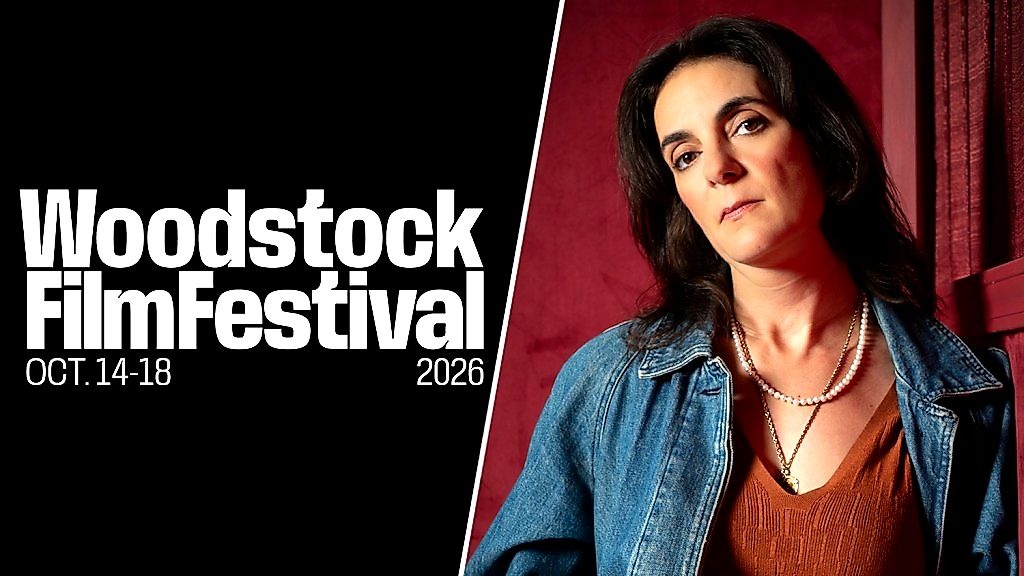
Jessica Edwards' 27-Year Legacy Shakes Woodstock Film Festival
Jessica Edwards announced she will double the festival’s screen time for women filmmakers, promising a new wave of diverse stories at next spring’s event.
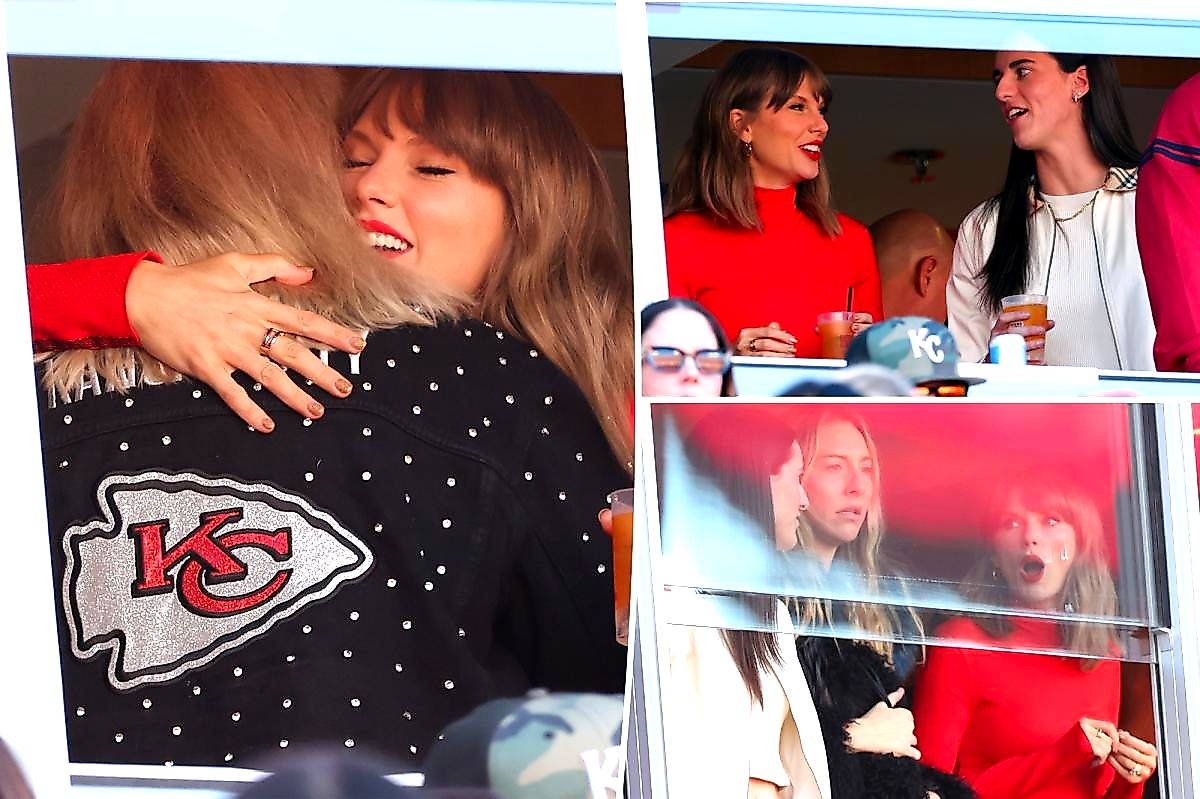
Taylor Swift's 36-Year-Old Red Turns Chiefs Fans Into Celebrity Crowd
Swift's front‑row red turtleneck and a heartfelt hug to Donna Kelce at Arrowhead left fans stunned as Chiefs edged Chargers 33‑30 in overtime.

Taylor Swift's 36-year-old drops 'The Fate of Ophelia' at Academy Gala
She stunned in a strapless pale‑blue Dior gown, opening with a brand‑new Toy Story 5 track and a 'Blank Space' performance, showcasing her theatrical flair.