
Stedman Bailey Charged After Shocking Public Exposure in Florida Arcade
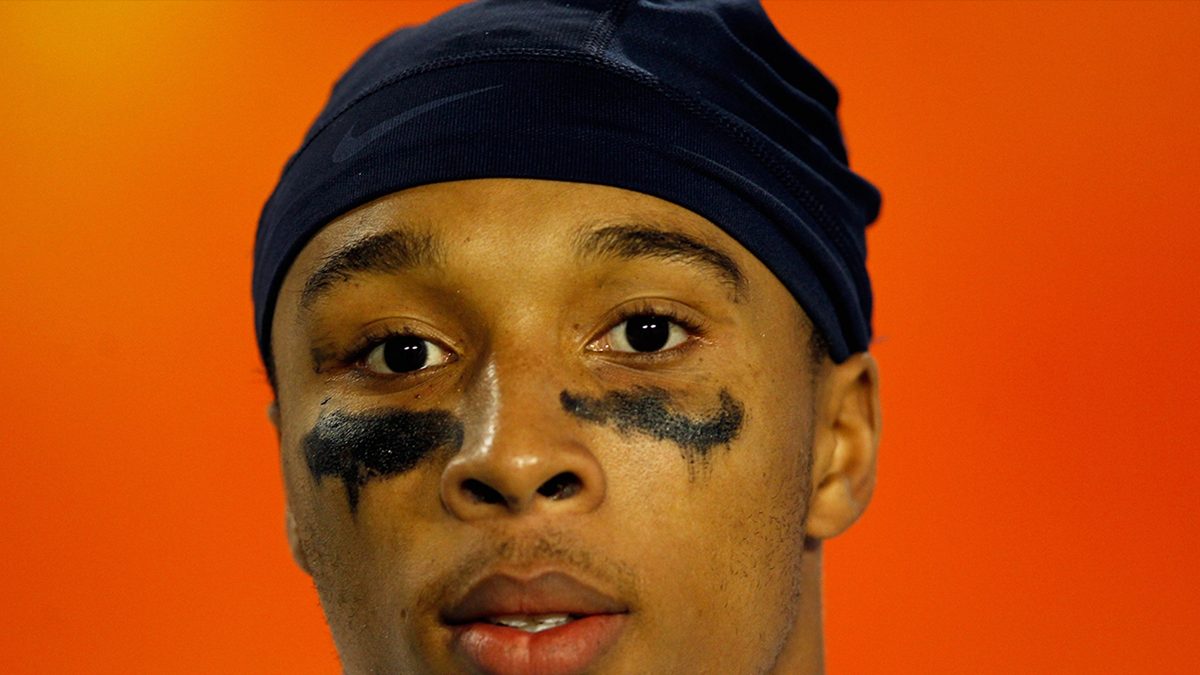
Former NFL wide receiver Stedman Bailey has been formally charged in Broward County after authorities say he was caught exposing sexual organs in a public arcade. The incident allegedly occurred July 27 at the Round1 arcade inside Pembroke Lakes Mall in Pembroke Pines, Florida.
Prosecutors filed a first‑degree misdemeanor charge following an arrest made shortly after midnight.
Bailey played three seasons in the NFL before his career was abruptly halted when he was shot in the head in 2015. He was arrested alongside a woman named Karina Manderson, who is alleged to have been present during the incident. , Bailey admitted his pants were down but denied having sex with the woman.
He has said he is fighting the charge.
## Background & Context
The alleged conduct took place at a popular bowling and arcade venue, Round1, which features a bar area where patrons can socialize. Police say Bailey was caught engaging in contact of a sexual nature in public. Earlier this summer, outlets had reported the incident.
Bailey’s arrest came after prosecutors filed a formal charging document earlier this month, which details the alleged exposure. The charging documents accuse him of pulling down his clothing to engage contact of sexual nature.
The charge is classified as a first‑degree misdemeanor in Broward County, carrying potential penalties of up to one year in county jail and a $1,000 fine. If convicted, he could face those consequences.
## Legal Details & Potential Consequences
Bailey’s defense team has publicly stated that he is contesting the allegations. He has claimed that no sexual activity occurred. , the incident was reported to law enforcement around 12:30 a.m. on July 27. The arrest took place at the mall’s arcade bar area.
The case is now pending in Broward County courts, where prosecutors will present evidence and Bailey’s defense will respond. The outcome will determine whether he faces the statutory maximum of one year in jail and a fine. The case remains under investigation as the court schedules its next hearing.
## Career Snapshot & Personal Journey
Bailey was drafted by the Los Angeles Rams in the fifth round of the 2010 NFL Draft, earning a reputation for his speed and ability to create separation on deep routes. Over three seasons with the Rams, he recorded 41 receptions for 530 yards and four touchdowns.
His playing style drew comparisons to early‑career receivers like Marvin Harrison, and fans expected him to become a cornerstone of the Rams’ receiving corps.
In July 2015, Bailey’s trajectory was derailed when he was shot in the head while attending a party in Houston. The injury left him with significant physical and cognitive challenges.
While he pursued a brief stint with the Carolina Panthers and later played in the Alliance of American Football (AAF) and XFL, he never returned to an active NFL roster.
Despite the setbacks, Bailey remained an outspoken advocate for veteran players’ mental health and continued to engage with his fan base through community events and social media.
## Fan Reaction & Public Perception
Rams supporters reacted with a mixture of surprise and disappointment. Some fans took to online forums expressing concern for Bailey’s well‑being, . Others demanded accountability, noting that the NFL’s personal conduct policy should address such incidents proactively.
The broader NFL community saw this case as a reminder that athletes’ off‑field behavior can have lasting repercussions on their legacy and public image.
## Industry Impact & Policy Considerations
The case has prompted discussions about how professional sports leagues, particularly the NFL, handle personal conduct violations.
While the league’s code of conduct already includes provisions for “conduct detrimental to the league” and “violent or illegal behavior,” this incident underscores the need for clearer guidelines around misdemeanors that are not necessarily violent but still harmful to reputation.
League officials have indicated a willingness to review and potentially tighten policy language regarding public exposure, particularly as it intersects with community standards and the protection of minors.
In addition, the case highlights the importance of support structures for former players navigating life after football.
As teams increasingly invest in player development programs focused on financial literacy, mental health, and legal education, incidents like Bailey’s serve as cautionary tales that reinforce the value of comprehensive transition planning.
Overall, Stedman Bailey’s legal predicament serves as a stark reminder that the responsibilities of public figures extend far beyond the stadium. The outcome of this case will likely influence how both fans and governing bodies approach player conduct in the years to come.
Why It Matters
Our Take
GoNews Pulse Editorial Team
This article was prepared for publication by GoNews Pulse and checked for publication requirements under our editorial standards. We review available information and correct material errors when they are identified.
Quick Answers
- What is the latest update on this story?
- Former NFL star Stedman Bailey is arrested after a shocking public exposure incident at a Pembroke Pines arcade, facing a first‑degree misdemeanor.
- Who is this story about?
- This article covers developments related to Stedman Bailey Charged After Shocking Public Exposure in Florida Arcade. GoNews Pulse's editorial team monitors the story and updates the article as new verified information becomes available.
- Where can I read more about Stedman Bailey?
- GoNews Pulse publishes original reporting on Stedman Bailey and related entertainment news. Visit the homepage or browse the section dedicated to this story for the latest coverage.
Related topics
- #Stedman Bailey
- #Rams
- #Florida arcade
- #Broward County
- #NFL conduct policy
- #public exposure
More From This Section

Jon Gosselin's 22‑Year‑Old Son Exposes Abuse, Father Shouts Support
Jon Gosselin declares that his son’s 22‑year‑old memoir exposes alleged institutionalization and a hidden ‘small holding’ cell, sparking a national debate.

Mike Colter's Valley Firm AGI Bo Revealed at 2:00 a.m. Shocks Fans
Rob McClure's portrayal of Bo forces the firm to confront a real‑world AGI asking for legal guardrails, sparking a tense ethical debate.

Meredith Grey's bed proposal to Nick on surgery table stuns fans
Meredith Grey slipped a ring into Nick's hand while he lay on the operating table, a move that stunned fans amid the bridge collapse.