
Alphonso Smith Jr.'s sudden 40‑year‑old death leaves fans in shock
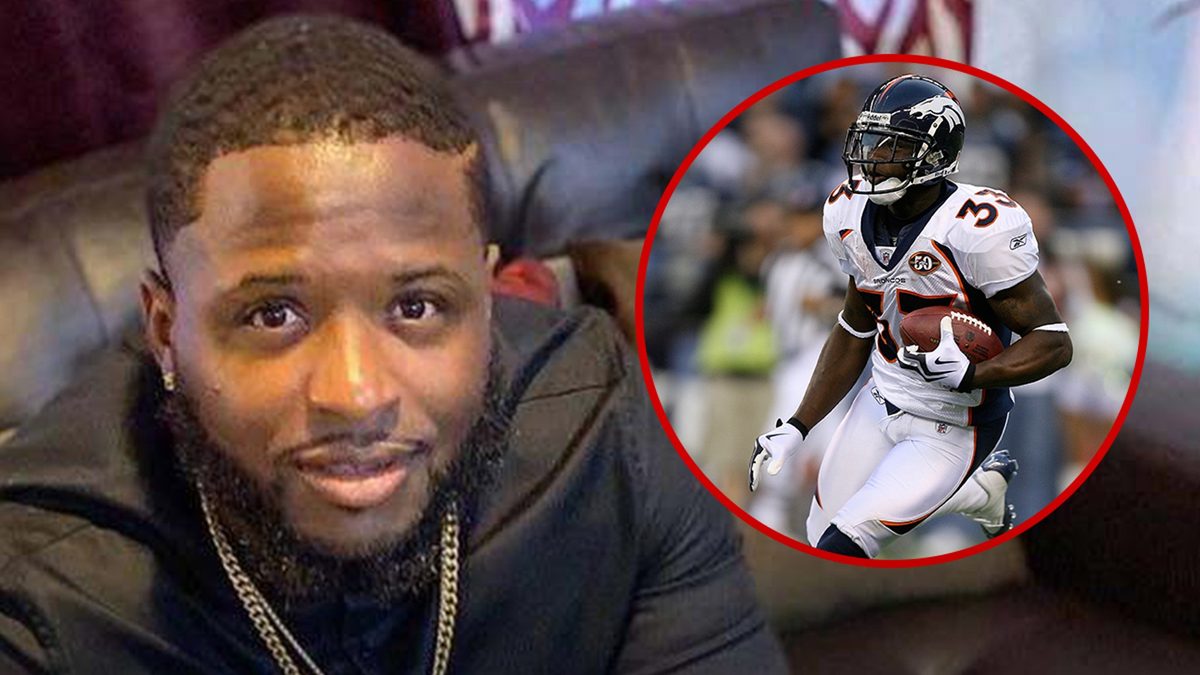
**The Silent Battle of Alphonso Smith Jr.: A Life Cut Short by Demons No One Saw** The news came like a punch to the gut: Alphonso Smith Jr., the Wake Forest cornerback who once dazzled on the football field with lightning reflexes and a swagger that made scouts take notice, was gone.
Not from injury, not from age—from a struggle so heavy it crushed him at 40. On a quiet Wednesday in Florida, the former NFL player, a man who had faced down defenders in the league’s toughest moments, lost his final battle to the demons that had haunted him long before the stadium lights ever dimmed.
His last words, raw and desperate, were left not in a press conference or a postgame interview but in a Facebook post that read like a confession. *"Do not cry for me!
I tried everything in my power to fight the demons behind the ones that someone put into ME!"* The message was a cry for understanding, a plea for forgiveness, and a final admission that the pain he carried—rooted in childhood wounds—had become too much to bear alone.
By the time the post went live, Smith was already gone, leaving behind a legacy that was as bright as it was tragically unfinished. What makes Smith’s story so heartbreaking isn’t just the suddenness of his death, but the quiet, lingering questions it raises.
How does a man who once moved with the speed and precision of a cornerback at the top of his game end up here? Why did he feel so alone when he was playing?
And why did the NFL, a league that thrives on physical resilience, so often fail to see the battles fought in the shadows? --- ## **From Gridiron Glory to the Weight of Silence** Smith’s football journey was the kind that makes college legends. At Wake Forest, he wasn’t just a standout—he was a difference-maker.
In his senior season, he earned All-American honors, his hands flashing with interceptions that turned games. The school’s athletic hall of fame recognized him in 2022, a fitting tribute to a career that had already begun to fade from public memory.
But the NFL, that brutal proving ground, didn’t keep him long. Drafted by the Denver Broncos in 2009, he was traded to the Detroit Lions the following year, where he played three seasons before retiring in 2012.
His stats—88 tackles, 8 picks in 42 games—don’t scream superstar, but they’re the kind of numbers that tell a different story: a player who was good enough to make it, but not quite enough to stay. What happened after football?
For many athletes, the transition is rocky. The body that once carried them through collisions and 11-game schedules often betrays them.
The identity tied to performance can shatter when the last whistle blows. Smith’s final post hints at deeper wounds—childhood abuse, a "demonI have HURT so many!"*—suggests a man who felt the weight of his own failures, who blamed himself for not being enough, even after the game was over.
The question lingers: Did anyone see? In the NFL’s machine, players are often reduced to their stats, their film, their ability to produce.
The personal toll—the sleepless nights, the therapy sessions, the moments of breaking—isn’t always visible.
Smith’s post is a rare glimpse into that world, a man begging for help in a language the league might not have been listening for. --- ## **The Unseen Cost of a Player’s Life** Football players are taught to endure. They learn to shake off hits, to push through pain, to come back the next week.
But what happens when the pain doesn’t go away? When the hits aren’t just to the body but to the mind?
Smith’s words—*"I needed help & did not get it!"*—are a stark reminder that even the toughest exteriors can crack under the right pressure. The NFL has come under fire in recent years for its handling of mental health, particularly among players who left the league early or struggled with the transition.
Smith’s case isn’t unique. Other former players—some more famous, some less—have spoken about the isolation, the lack of support systems, the way the league’s culture can make vulnerability seem like weakness.
The difference with Smith is that his final message was so unfiltered, so desperate, that it forces a conversation: How many others are out there, still fighting battles no one knows about? His reference to abuse as a child adds another layer.
The NFL has grappled with its own dark history of covering up abuse, from the Jerry Sandusky scandal to the systemic failures in player welfare. For Smith, the trauma may have been personal, but the silence around it was part of a larger pattern.
Football builds men who are expected to be unbreakable. But what happens when the breaking is already done before the first snap?
The fans who remember Smith from his Wake Forest days or his brief NFL stint are left with a mix of grief and confusion. On social media, tributes poured in—former teammates calling him a "great guy," coaches remembering his work ethic, strangers sharing how his story resonated with their own struggles.
But beneath the sadness was a quiet anger: Why didn’t anyone see this coming? Why did it take his death to make people listen? --- ## **What Comes Next: A Legacy and a Warning** Smith’s death isn’t just a tragedy—it’s a wake-up call.
For the NFL, it’s another reminder that the league’s obsession with physical dominance must be matched by a commitment to mental health. For fans, it’s a moment to ask harder questions: What did we miss?
What could we have done differently? And for those who are struggling now, it’s a plea to speak up before it’s too late.
The football world will move on. The next draft class will take the field.
But Smith’s final post will linger, a raw and painful testament to the cost of silence. His story isn’t just about the end of a career or the loss of a life—it’s about the lives that get lost in between, the ones that never get the help they need.
In the days since his death, the usual tributes have appeared: memories of his speed, his smile, the way he carried himself. But the most important thing to remember might be his last words. *"I am SORRY!
THIS IS IT!"* Those aren’t just the words of a man who gave up. They’re the words of a man who was finally done pretending he was okay.
And in that honesty, there’s a lesson—for the league, for the fans, for anyone who ever felt like they were fighting alone.
GoNews Pulse Editorial Team
This article was prepared for publication by GoNews Pulse and checked for publication requirements under our editorial standards. We review available information and correct material errors when they are identified.
Quick Answers
- What is the latest update on this story?
- Alphonso Smith Jr.'s teammates are stunned by his sudden 40‑year‑old death, but the hidden struggle he kept concealed may expose a deeper crisis in athlete health.
- Who is this story about?
- This article covers developments related to Alphonso Smith Jr.'s sudden 40‑year‑old death leaves fans in shock. GoNews Pulse's editorial team monitors the story and updates the article as new verified information becomes available.
- Where can I read more about Alphonso Smith?
- GoNews Pulse publishes original reporting on Alphonso Smith and related entertainment news. Visit the homepage or browse the section dedicated to this story for the latest coverage.
Related topics
- #Alphonso Smith
- #NFL
More From This Section

Jon Gosselin's 22‑Year‑Old Son Exposes Abuse, Father Shouts Support
Jon Gosselin declares that his son’s 22‑year‑old memoir exposes alleged institutionalization and a hidden ‘small holding’ cell, sparking a national debate.

Mike Colter's Valley Firm AGI Bo Revealed at 2:00 a.m. Shocks Fans
Rob McClure's portrayal of Bo forces the firm to confront a real‑world AGI asking for legal guardrails, sparking a tense ethical debate.

Meredith Grey's bed proposal to Nick on surgery table stuns fans
Meredith Grey slipped a ring into Nick's hand while he lay on the operating table, a move that stunned fans amid the bridge collapse.