
Bennett Calls Venice Film NAZA a 'Blood Libel,' Denies Genocide
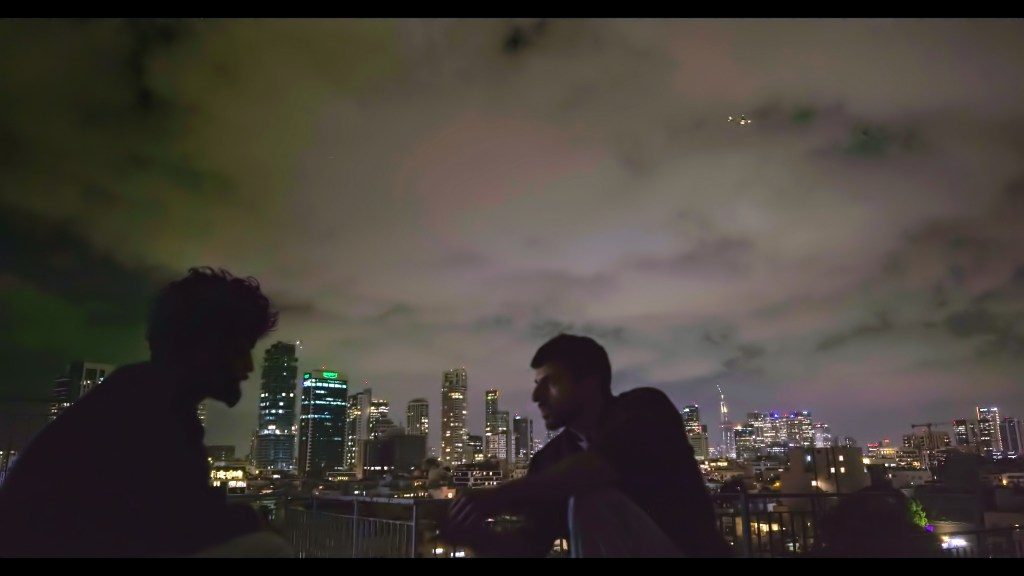
On Friday afternoon, former Israeli Prime Minister Naftali Bennett posted a scathing critique of the documentary *NAZA* on X, following its premiere at the Venice Film Festival the previous day.
The film, directed by Yuval Abraham and Rachel Szor, claims that Israeli forces committed genocide during the conflict that began on October 7. Bennett denounced these allegations as “horrific blood libel” and accused the filmmakers of spreading false narratives about Israel worldwide.
Bennett’s message was swift and uncompromising. He wrote, “Yesterday, a film accusing Israel of genocide premiered. It’s a horrific blood libel against our sons and daughters.
What makes it especially painful and infuriating is that this lie comes from Israeli filmmakers and is now being spread around the world.” He also listed crimes allegedly committed by Hamas on October 7 and praised Israeli reservists for defending against “the next massacre.”
The documentary’s debut was electric, drawing a 25‑minute standing ovation inside Venice’s Sala Grande – the longest in the festival’s history and surpassing previous records set by *The Voice of Hind Rajab* and Guillermo Del Toro’s *Pan’s Labyrinth*. *NAZA* presents anonymous testimonies and claims that Israeli military operations in Gaza rely on AI, phone surveillance, and crude points‑based systems to target homes, even when children are present.
The film also builds on Abraham and Szor’s 2025 Academy Award‑winning documentary *No Other Land*, which examined the destruction of West Bank villages.
## Background & Context
Bennett served as Israel’s prime minister from June 2021 until early 2022, when he led a coalition government that was later replaced by Benjamin Netanyahu’s administration. Having stepped down, he remains a key figure in Israeli politics and is currently one of the leading candidates for the 2026 election.
His outspoken stance on security matters has earned him both support and criticism across the political spectrum.
*NAZA* follows a pattern of documentary work by Abraham and Szor that interrogates Israeli military practices. In addition to its focus on Gaza, the film incorporates interviews with 24 Israeli intelligence officers and soldiers, alleging that the army’s target‑selection process disregards civilian presence.
The filmmakers claim that AI and surveillance technologies are used to identify Hamas targets, yet the report suggests a willingness to strike residential areas without sufficient differentiation between combatants and non‑combatants.
The United Nations Independent International Commission of Inquiry on the Occupied Palestinian Territory published its report in September 2025.
The commission concluded that Israel has committed genocide against Palestinians in Gaza, identifying four of the five acts defined under international law: killing members of a group, inflicting serious bodily or mental harm, deliberately inflicting conditions calculated to destroy a group, and preventing births.
The report cites statements by Israeli leaders as evidence of genocidal intent, a claim that Israel outright denies.
## What People Are Saying
Bennett’s X post was not the only reaction to *NAZA*. A spokesperson for the Israel Defense Forces released a statement calling the film’s allegations “unfounded” and rejecting every claim presented.
The IDF noted that the documentary relies on anonymous testimonies whose identities cannot be verified, including whether the witnesses served in the army or were involved in the events described. The IDF said, “The film relies on anonymous testimonies from individuals whose identity cannot be verified….”
Bennett’s words resonated with many supporters who view the film as a smear. He wrote, “To portray them as perpetrators of genocide is not courageous art. It is a cowardly blood libel.
And I will not remain silent.” His criticism echoed concerns that the documentary could influence international opinion and potentially affect diplomatic negotiations regarding Israel’s actions in Gaza.
The film’s unprecedented 25‑minute standing ovation underscored its impact on festival audiences. Critics noted that the record‑setting reception surpassed previous milestones, such as the 24‑minute ovation for *The Voice of Hind Rajab* last year and Guillermo Del Toro’s *Pan’s Labyrinth*, which received 22 minutes.
While applause indicates strong audience engagement, it does not confirm the veracity of the film’s allegations.
## What Happens Next
*NAZA* will continue to screen at Venice and potentially other international festivals. There is no indication that the filmmakers have issued a public response to Bennett’s criticism or to the IDF statement.
The documentary’s distribution may face challenges similar to those encountered by Abraham and Szor’s earlier work *No Other Land*, which some argue was hindered by lobbying efforts.
Bennett’s political profile remains significant as he campaigns for the 2026 Israeli election. His outspoken defense of Israel’s military actions could influence voter sentiment in upcoming polls, especially among constituents who prioritize national security and foreign policy.
The film’s controversy adds a new dimension to his public narrative.
The UN commission report may shape future diplomatic discussions and potential legal proceedings related to the Gaza conflict. While Israel disputes the genocide allegations, international bodies and human rights organizations could use the findings to pressure for accountability.
The debate surrounding *NAZA* illustrates how cultural productions can intersect with geopolitical tensions.
The premiere of *NAZA*, Bennett’s vehement rebuttal, and the IDF’s denial converge on a fraught arena where documentary film, politics, and international law collide. The story remains open as filmmakers, policymakers, and observers debate the film’s claims and its implications for Israel‑Palestine relations.
Why It Matters
Our Take
GoNews Pulse Editorial Team
This article was prepared for publication by GoNews Pulse and checked for publication requirements under our editorial standards. We review available information and correct material errors when they are identified.
Quick Answers
- What is the latest update on this story?
- Bennett fires back at the Venice film NAZA, labeling its genocide claims as a ‘blood libel’ and sparking a fierce backlash that could alter public perception.
- Who is this story about?
- This article covers developments related to Bennett Calls Venice Film NAZA a 'Blood Libel,' Denies Genocide. GoNews Pulse's editorial team monitors the story and updates the article as new verified information becomes available.
- Where can I read more about Naftali Bennett?
- GoNews Pulse publishes original reporting on Naftali Bennett and related entertainment news. Visit the homepage or browse the section dedicated to this story for the latest coverage.
Related topics
- #Naftali Bennett
- #Venice Film Festival
- #United Nations Commission
More From This Section
Jessica Edwards' 27-Year Legacy Shakes Woodstock Film Festival
Jessica Edwards announced she will double the festival’s screen time for women filmmakers, promising a new wave of diverse stories at next spring’s event.

Taylor Swift's 36-Year-Old Red Turns Chiefs Fans Into Celebrity Crowd
Swift's front‑row red turtleneck and a heartfelt hug to Donna Kelce at Arrowhead left fans stunned as Chiefs edged Chargers 33‑30 in overtime.

Taylor Swift's 36-year-old drops 'The Fate of Ophelia' at Academy Gala
She stunned in a strapless pale‑blue Dior gown, opening with a brand‑new Toy Story 5 track and a 'Blank Space' performance, showcasing her theatrical flair.