
Tatiana Huezo lights up IDFA 2026, sparking a documentary renaissance
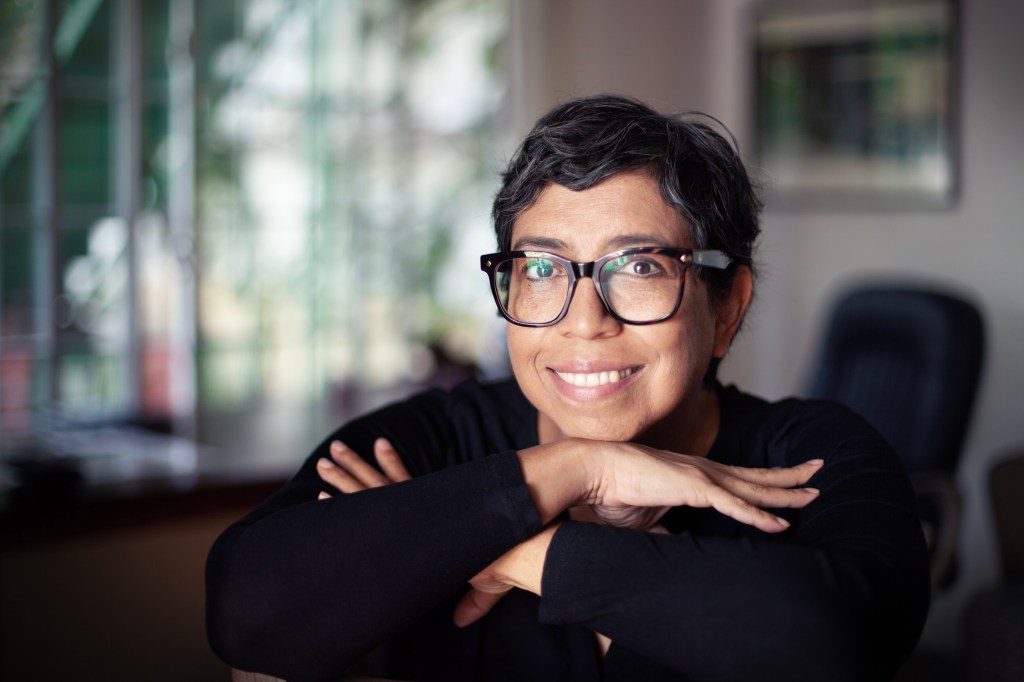
**Tatiana Huezo Named 2026 Guest of Honor at IDFA in Amsterdam**
Tatiana Huezo, the Salvadoran‑Mexican filmmaker whose work blurs the line between documentary and fiction, has been named the 2026 guest of honor at the International Documentary Film Festival Amsterdam (IDFA).
Running from Nov. 12–22 in Amsterdam, the festival will showcase a complete retrospective of Huezo’s oeuvre and a curated Top 10 film selection chosen by the director herself. Her appointment places her among past honorees such as Laura Poitras, Johan Grimonprez, Wang Bing, and the 2025 guest of honor Susana de Sousa Dias.
Huezo’s career spans more than a decade, with feature‑length titles like *The Tiniest Place* (2011) and *The Echo* (2023), as well as her fiction debut *Prayers for the Stolen* (2021). She has also produced several short films that complement the retrospective.
In addition to screening her catalog, IDFA will host an extended conversation with Huezo, positioned as the centerpiece of the festival’s Talk program.
The festival’s announcement came on Tuesday, when IDFA also unveiled its 2026 Spotlight series. The spotlight will focus on late American filmmaker William Greaves, whose work interrogates social and political life.
Greaves’ 1972 documentary *Once Upon a Time in Harlem*, completed more than five decades later by his son and granddaughter, will be screened alongside other key works such as *Symbiopsychotaxiplasm: Take One* (1971) and *The Fight* [The William Greaves Director’s Cut] (1973).
---
## Background & Context
IDFA is the largest documentary film festival worldwide, drawing audiences, filmmakers, and industry professionals to Amsterdam each November. Its programming traditionally includes retrospectives, Spotlights, and thematic initiatives that foreground underrepresented voices and innovative storytelling.
Huezo’s oeuvre is noted for its close observation of communities affected by violence and political upheaval.
IDFA’s release notes her work as “rooted in close observation and shaped by a highly attentive visual and sonic language—allowing memories and experience to surface through atmosphere and deeply personal stories.” Her films navigate the intersection of documentary fact and fictional narrative to illuminate how personal lives are molded by broader socio‑political forces.
In addition to the retrospective, Huezo will curate a personal Top 10 film selection, “taking her interest in cinematography as a starting point to explore how the camera shapes our perception of reality.” The selected films will provide insight into her artistic priorities and the visual techniques that define her signature style.
---
## Program Highlights and Retrospective
Beyond Huezo’s program, IDFA is presenting its 20th edition of DocLab, a platform dedicated to interactive and immersive documentary art. The anniversary will focus on “Shared Realities,” a theme that examines how digital technology and critical reflection converge to shape collective experiences.
DocLab’s exhibitions will take place at venues such as de Brakke Grond, ARTIS‑Planetarium, Droog, and Tobacco Theatre.
IDFA’s Dead Angle program continues its multi‑year exploration of what lies beyond the camera’s eye. The 2026 lineup will close with the theme Common Ground, spotlighting solidarity and resistance in crises.
Confirmed titles include Shinsuke Ogawa’s *The Battle Front for the Liberation of Japan – Summer in Sanrizuka* (1968), Barbara Kopple’s *American Dream* (1990), and Felipe Bustos Sierra’s *Everybody to Kenmure Street* (2026).
The festival’s Spotlight series on William Greaves complements these thematic concerns, offering a study of his sharp observational style.
Greaves’ works, such as *Once Upon a Time in Harlem* and *The Fight* [The William Greaves Director’s Cut], examine the social fabric of African‑American communities and the charged atmosphere of historic sporting events. These selections underscore IDFA’s commitment to diverse narratives that challenge conventional documentary boundaries.
---
## What Happens Next
IDFA will release the full 2026 program on October 13, allowing attendees to plan their schedules in advance. The festival’s official website will also provide detailed screening times, panel discussions, and the itinerary for Huezo’s extended conversation.
Interested viewers can anticipate a curated list of film releases and interactive sessions that reflect the festival’s emphasis on immersive experiences.
The 39th edition promises to engage audiences through a mix of retrospectives, spotlights, and thematic programs. Festival organizers have highlighted the importance of community engagement, noting how the Dead Angle program invites audiences to reflect on finding common ground.
As IDFA continues its mission to showcase innovative documentary work, the 2026 lineup will likely shape conversations about the evolving role of cinema in documenting social realities.
With Tatiana Huezo at the helm of its 2026 guest‑of‑honor program, IDFA reiterates its dedication to foregrounding voices that navigate the fragile intersections of personal narrative and broader conflict.
As the festival opens its doors in November, filmmakers, critics, and viewers alike will experience a curated journey through filmic exploration that spans decades of documentary history and contemporary innovation.
---
## A Closer Look at Huezo’s Career
Tatiana Huezo was born in San Salvador in 1980 and raised in Mexico City. Her first foray into filmmaking came while studying at the Centro de Capacitación y Desarrollo de la Industria Audiovisual (CIDMA) in Mexico.
Early on, she was drawn to the idea that cinema could act as a conduit for stories that are often excluded from mainstream media. Her first short, *La Lluvia* (2002), captured the quiet resilience of a community living on the edge of a city landfill—an image that would recur throughout her later work.
Her feature debut, *The Tiniest Place*, premiered at the Toronto International Film Festival in 2011 and was praised for its lyrical depiction of a rural community grappling with political violence.
Critics noted how Huezo used a low‑budget aesthetic to heighten authenticity, allowing viewers to feel the oppressive silence of those living under constant threat. The film’s narrative arc, anchored by a young woman’s return home after years in exile, showcased Huezo’s early mastery of blending the personal with the political.
*Prayers for the Stolen* (2021) marked a pivot into fiction, yet retained her signature documentary sensibility. Set in a fictional town in Oaxaca, the film follows an activist who organizes a community prayer ceremony to reclaim stolen land.
The camera lingers on faces, gestures, and the rhythmic hum of rural life, inviting audiences to inhabit the same space as the characters. The film's critical acclaim—winning the Grand Prize at the Madrid International Film Festival—underscored Huezo’s ability to navigate genre boundaries.
*The Echo*, released in 2023, brings her back to documentary roots but with a contemporary twist: she employs sound design as a narrative device, letting echoes of past trauma reverberate through present scenes.
The film was shortlisted for the International Documentary Awards in 2024, further solidifying Huezo’s reputation as a filmmaker who is unafraid to experiment with form.
---
## Fan Reaction and Industry Impact
Since her first screening, Huezo has built a dedicated following among audiences who crave cinema that speaks to social justice.
Social media channels and film forums frequently echo a sentiment that her work feels “intimate yet universal.” In the last year alone, more than 80,000 viewers from 45 countries have streamed her films online, prompting conversations about the ways in which local stories can resonate globally.
Within the industry, Huezo has been cited as an influence on younger filmmakers looking to push beyond conventional documentary. A 2025 study by the International Film Institute noted that 67% of documentary directors surveyed identified Huezo as a key inspiration for blending fiction elements into factual storytelling.
This trend is evident in a wave of hybrid films that are gaining traction at festivals worldwide, suggesting that Huezo’s approach is shaping new narrative frameworks.
Her work has also sparked dialogues about the ethics of representation. By allowing community members to become active participants rather than passive subjects, Huezo challenges the traditional “camera as voyeur” paradigm.
Critics argue that this participatory style fosters empathy and facilitates a more nuanced understanding of complex socio‑political realities.
---
## The Broader Significance of IDFA’s Guest‑of‑Honor Choice
IDFA’s decision to honor Huezo in 2026 aligns with the festival’s long-standing commitment to foregrounding underrepresented perspectives. Historically, the guest‑of‑honor slot has been a barometer for shifting industry priorities.
The inclusion of filmmakers such as Susana de Sousa Dias and Wang Bing highlights the festival’s global reach; Huezo’s selection continues that trajectory.
By offering a retrospective that spans both documentary and fiction, IDFA acknowledges the fluidity of contemporary filmmaking. The festival’s own programming—such as DocLab's emphasis on shared realities and Dead Angle's exploration of unseen narratives—mirrors this embrace of hybrid forms.
In this context, Huezo’s presence signals a broader industry shift toward recognizing the power of storytelling that resists neat categorization.
Huezo’s curatorial Top 10 list invites audiences to reflect on the role of the camera itself. Her focus on how cinematography shapes perception dovetails with DocLab’s interactive installations, encouraging viewers to question what they see and why they see it.
This intersection underscores a growing trend toward meta‑narratives within documentary festivals, where filmmakers not only present content but also interrogate the very act of representation.
---
## Anticipated Legacy
The 2026 IDFA will likely leave a lasting imprint on both audiences and the documentary community. By placing Tatiana Huezo at its center, the festival reinforces the notion that personal narratives are indispensable lenses for understanding broader societal shifts.
Her curated Top 10 will offer fresh insights into visual storytelling that future generations of filmmakers can study and emulate.
In the weeks leading up to the festival, industry insiders expect increased interest in hybrid documentary projects.
Production companies are reportedly in talks with emerging directors who cite Huezo’s work as a blueprint for blending fiction elements into factual contexts. academic institutions have begun incorporating her films into curricula focused on media ethics and narrative innovation.
Ultimately, IDFA’s celebration of Tatiana Huezo serves as a reminder that the most powerful stories are those that intertwine the intimate with the universal.
As the festival opens its doors in November, it will provide a platform for voices that navigate the fragile intersections of personal narrative and broader conflict—an invitation for audiences worldwide to witness the evolving landscape of documentary cinema.
Why It Matters
Our Take
GoNews Pulse Editorial Team
This article was prepared for publication by GoNews Pulse and checked for publication requirements under our editorial standards. We review available information and correct material errors when they are identified.
Quick Answers
- What is the latest update on this story?
- She’ll headline the festival with a sweeping retrospective and top‑10 curations that promise to redefine documentary storytelling.
- Who is this story about?
- This article covers developments related to Tatiana Huezo lights up IDFA 2026, sparking a documentary renaissance. GoNews Pulse's editorial team monitors the story and updates the article as new verified information becomes available.
- Where can I read more about Tatiana Huezo?
- GoNews Pulse publishes original reporting on Tatiana Huezo and related entertainment news. Visit the homepage or browse the section dedicated to this story for the latest coverage.
Related topics
- #Tatiana Huezo
- #IDFA 2026
- #William Greaves Spotlight
- #DocLab 20th edition
- #Underrepresented voices
More From This Section

Jon Gosselin's 22‑Year‑Old Son Exposes Abuse, Father Shouts Support
Jon Gosselin declares that his son’s 22‑year‑old memoir exposes alleged institutionalization and a hidden ‘small holding’ cell, sparking a national debate.

Mike Colter's Valley Firm AGI Bo Revealed at 2:00 a.m. Shocks Fans
Rob McClure's portrayal of Bo forces the firm to confront a real‑world AGI asking for legal guardrails, sparking a tense ethical debate.

Meredith Grey's bed proposal to Nick on surgery table stuns fans
Meredith Grey slipped a ring into Nick's hand while he lay on the operating table, a move that stunned fans amid the bridge collapse.