
Baby Alligator Pops in LA Raid Seizing 42 kg Fentanyl & 7 kg Cocaine
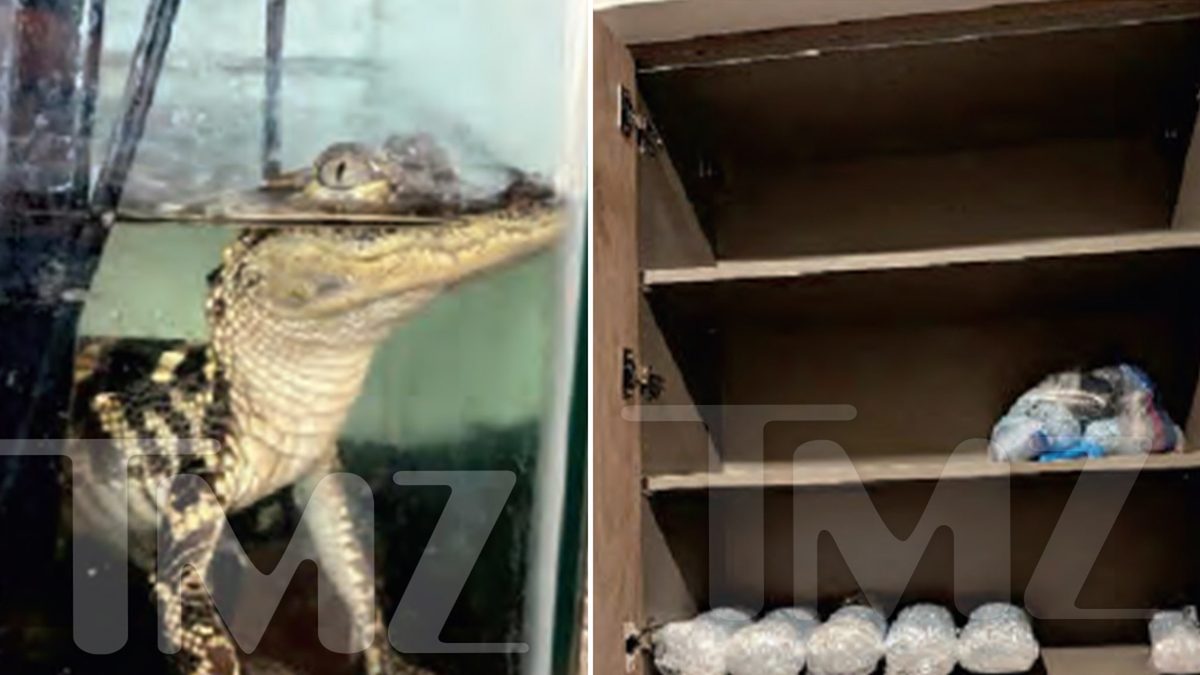
On September 10, federal agents stormed a luxury apartment complex in downtown Los Angeles in pursuit of Marvin Angelito and Susan Gonzalez. The two were suspected of trafficking fentanyl after a sting operation that involved the purchase of drugs from an associate connected to them.
A search warrant was executed following the operation, and investigators found the suspects sleeping inside the unit. The apartment, located on a high‑rise block known for its upscale condos, had been under surveillance for months as part of the larger investigation.
Agents recovered a staggering cache of illicit substances: 42,000 grams of fentanyl, 1,038 grams of heroin, seven thousand grams of cocaine, three vials of bromobenzene, and various drug‑manufacturing tools. In addition to the narcotics, the raid uncovered an AR‑15 rifle, a.50‑caliber pistol, and a signal radio jammer device.
The presence of these weapons raised concerns about potential violent trafficking operations tied to the couple.
The most unusual find during the operation was a baby alligator, which U.S. Fish and Wildlife Service officials seized for further inspection. The animal, reportedly small in size, was discovered hidden somewhere within the apartment’s premises.
The presence of a reptile in a high‑rise living space added an unexpected twist to an already complex investigation.
## What Happened
The raid was preceded by a federal sting in which agents purchased drugs from a contact linked to Angelito and Gonzalez. When the warrant was served, officers entered the unit to find the suspects sleeping on the floor. A police K‑9 was deployed to assist with the search but reportedly became disoriented after exposure to fentanyl vapors.
The K‑9 handler had to administer Narcan to revive the dog, underscoring the potency of the drugs seized. While officers secured the weapons and chemical agents, they also collected a total of 42 kg of fentanyl, 7 kg of cocaine and 1 kg of heroin, among other substances.
Officials from Homeland Security, the FBI, and the DEA collaborated on the operation, which also involved the U.S. Fish and Wildlife Service for the alligator seizure.
## Background & Context
Court documents filed by federal prosecutors indicate that Angelito and Gonzalez were charged with possession with intent to distribute fentanyl. The case stems from the sting operation that led to the purchase of drugs from their associate, providing the authorities with evidence of a larger distribution network.
The seized weapons—a semi‑automatic AR‑15, a.50‑caliber pistol, and a signal radio jammer—suggest that the couple may have had access to equipment typically used in violent or high‑risk operations. The presence of bromobenzene vials and drug‑manufacturing tools points to a potential production facility within the apartment.
The fish and wildlife officials who seized the alligator will determine whether the animal was kept illegally or obtained through legitimate means. This detail, while odd, does not detract from the primary focus on drug trafficking and weaponry uncovered during the raid.
The raid highlights the federal effort to clamp down on fentanyl distribution networks in major cities. Investigators are also reviewing the chain of custody for the seized drugs and weapons to assess any potential links to other criminal enterprises.
The discovery of substantial narcotic stocks, firearms, and a juvenile alligator will likely influence how authorities pursue similar cases moving forward.
Why It Matters
Our Take
GoNews Pulse Editorial Team
This article was prepared for publication by GoNews Pulse and checked for publication requirements under our editorial standards. We review available information and correct material errors when they are identified.
Quick Answers
- What is the latest update on this story?
- When federal agents break into a downtown LA apartment, they find 42 kg of fentanyl, 7 kg of cocaine, a rifle, and a baby alligator—what happens next is wild.
- Who is this story about?
- This article covers developments related to Baby Alligator Pops in LA Raid Seizing 42 kg Fentanyl & 7 kg Cocaine. GoNews Pulse's editorial team monitors the story and updates the article as new verified information becomes available.
- Where can I read more about Marvin Angelito?
- GoNews Pulse publishes original reporting on Marvin Angelito and related entertainment news. Visit the homepage or browse the section dedicated to this story for the latest coverage.
Related topics
- #Marvin Angelito
- #Susan Gonzalez
- #Los Angeles
- #baby alligator
More From This Section

Jon Gosselin's 22‑Year‑Old Son Exposes Abuse, Father Shouts Support
Jon Gosselin declares that his son’s 22‑year‑old memoir exposes alleged institutionalization and a hidden ‘small holding’ cell, sparking a national debate.

Mike Colter's Valley Firm AGI Bo Revealed at 2:00 a.m. Shocks Fans
Rob McClure's portrayal of Bo forces the firm to confront a real‑world AGI asking for legal guardrails, sparking a tense ethical debate.

Meredith Grey's bed proposal to Nick on surgery table stuns fans
Meredith Grey slipped a ring into Nick's hand while he lay on the operating table, a move that stunned fans amid the bridge collapse.