
Samsung Galaxy Ring & Happy Ring FDA‑approved: Women’s apnea exposed
On Wednesday, Samsung’s Galaxy Ring received FDA clearance to estimate sleep apnea severity from overnight data gathered on a finger. Earlier in 2025, Happy Health’s Happy Ring was cleared as a Class II medical device for diagnosing sleep apnea, insomnia and other sleep‑related conditions at home.
These approvals signal a shift from lab‑based testing to wearable technology that could help close a diagnosis gap affecting tens of millions of Americans, especially women.
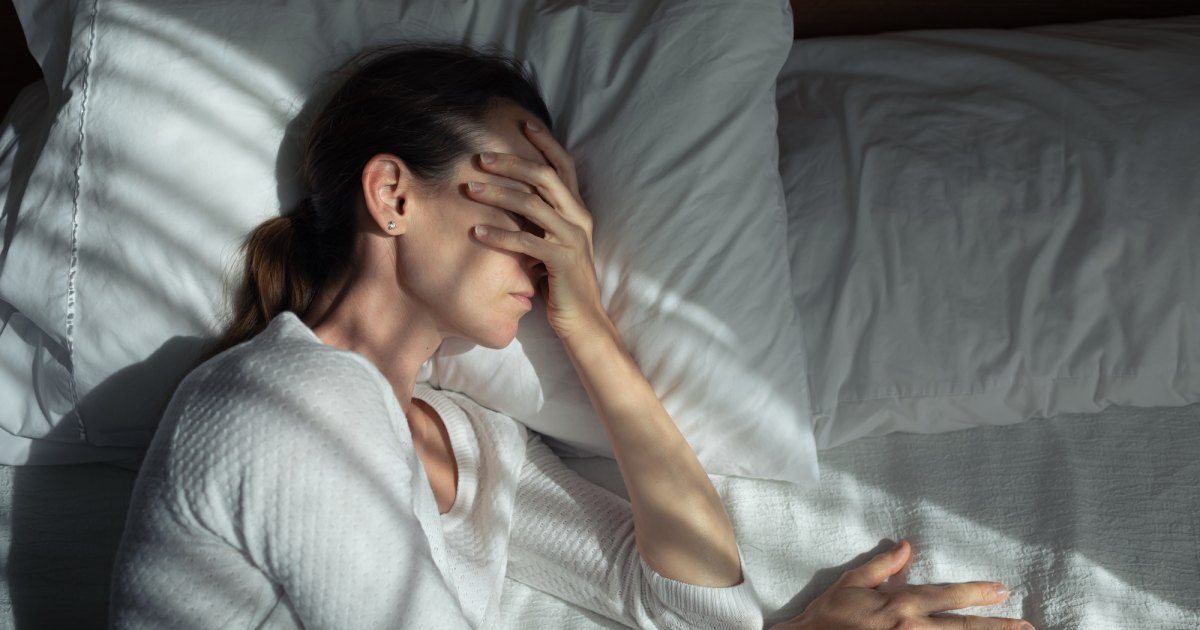
Studies estimate that roughly 90 % of women with sleep apnea go undiagnosed, and about 80 % of all U.S. cases slip past detection entirely. Women’s symptoms often differ from men’s; they are less likely to snore loudly and their apnea events tend to be shorter and less frequent.
When these subtler signs—such as daytime fatigue, insomnia, nightmares, depression or gastric reflux—are reported, clinicians may attribute them to anemia, depression or menopause instead of sleep disorder.
Hormonal shifts heighten risk. Polycystic ovary syndrome (PCOS) and menopause both increase likelihood of obstructive sleep apnea (OSA). In PCOS, elevated androgens and insulin resistance contribute to weight gain around the neck and midsection, destabilizing the upper airway.
During menopause, falling progesterone and estrogen reduce respiratory muscle tone. Across all ages, about 6 % of women live with moderate to severe OSA, another 5 % have a milder form, and rates rise to 20 % or higher after menopause.
## Background & Context
Sleep apnea interrupts breathing repeatedly during sleep, often without the sleeper’s awareness. Common nighttime signs include loud snoring, sudden gasping or choking for air, waking with a dry mouth and frequent pauses in breathing that a bed partner may notice first.
Daytime symptoms show up as excessive sleepiness, morning headaches, trouble concentrating and irritability linked to fragmented sleep. Left unmanaged, these oxygen dips can impair daily focus, mood and long‑term cardiovascular health.
Women are less likely to be referred for sleep testing than men even when reporting similar symptoms, . When women are tested, they are less often diagnosed or treated for obstructive sleep apnea.
The Sleep Cycle Center reports that women more often describe non‑specific complaints such as daytime fatigue, insomnia, nightmares, depression, anxiety and gastric reflux—issues that can be misattributed to other conditions.
The economic burden of untreated OSA is significant. The American Academy of Sleep Medicine estimates 23.5 million undiagnosed U.S. cases generate $149.6 billion annually in healthcare use, motor‑vehicle and workplace accidents and reduced productivity.
Expanding home screening, especially for women whose symptoms have long been overlooked, could help close this gap that awareness campaigns alone have not bridged.
## What People Are Saying
Happy Health’s founder and CEO, Dustin Freckleton, said, “Sleep is the foundation of health and the ‘canary in the coal mine’ of disease.
When we measure sleep accurately in , 30s and 40s, we expose the patterns that drive heart disease, hypertension, metabolic and behavioral disorders decades later.” The Happy Ring, cleared in 2025, pairs with a virtual platform that allows users to complete an overnight test at home, consult a board‑certified sleep specialist and begin a treatment plan that could include CPAP machines, dental appliances or GLP‑1 therapies.
Samsung’s Galaxy Ring, cleared in 2026, requires users to wear the device for two nights within a 10‑day window. AI estimates how often breathing pauses occur each hour, flagging signs of moderate to severe obstructive sleep apnea in adults who have not yet been diagnosed. It offers insights rather than an official diagnosis.
The Belun Ring, cleared by the FDA in 2023, is a cableless photoplethysmography‑based wearable worn on the index finger. It records oxygen saturation, pulse rate and actigraphy for up to 10 hours a night. , it is prescribed by clinicians and enables multi‑night analysis without in‑lab polysomnography. Belun’s CEO, Dr.
Lydia Leung, said the goal is to facilitate home sleep tests for identifying undiagnosed OSA.
## What Happens Next
Patients who choose these devices typically begin by wearing the ring overnight for two separate nights within a 10‑day span. The device collects physiological data—oxygen saturation, heart rate and movement—and sends it to an algorithm that estimates the frequency and severity of breathing pauses.
If moderate to severe OSA is detected, the user is advised to consult a sleep specialist.
In the case of the Happy Ring, users can engage with a virtual platform that offers direct access to board‑certified sleep specialists. Once diagnosed, treatment options such as continuous positive airway pressure (CPAP), dental appliances or pharmacologic therapies can be discussed and initiated.
Samsung’s product provides users with insights and recommendations but does not deliver an official diagnosis.
The broader implication is a potential shift toward routine home screening. With FDA‑cleared wearables capturing overnight physiological signals night after night, multi‑night data may reveal variability that a single in‑lab test could miss.
If more women receive timely diagnoses, the projected annual healthcare savings—currently estimated at $149.6 billion—could improve, and downstream health outcomes such as heart disease, stroke and diabetes may be mitigated.
The emergence of these smart rings offers a tangible step toward addressing a diagnosis gap that has long plagued women’s health. By moving screening out of sleep labs and onto a finger, the technology may ultimately help millions of Americans uncover a condition that silently threatens their well‑being.
Why It Matters
Our Take
GoNews Pulse Editorial Team
This article was prepared for publication by GoNews Pulse and checked for publication requirements under our editorial standards. We review available information and correct material errors when they are identified.
Quick Answers
- What is the latest update on this story?
- These FDA‑cleared rings let women measure sleep apnea severity at home, a breakthrough that could finally close the silent diagnostic gap.
- Who is this story about?
- This article covers developments related to Samsung Galaxy Ring & Happy Ring FDA‑approved: Women’s apnea exposed. GoNews Pulse's editorial team monitors the story and updates the article as new verified information becomes available.
- Where can I read more about Samsung Galaxy Ring?
- GoNews Pulse publishes original reporting on Samsung Galaxy Ring and related entertainment news. Visit the homepage or browse the section dedicated to this story for the latest coverage.
Related topics
- #Samsung Galaxy Ring
- #sleep apnea screening
- #women's sleep apnea
More From This Section

Jon Gosselin's 22‑Year‑Old Son Exposes Abuse, Father Shouts Support
Jon Gosselin declares that his son’s 22‑year‑old memoir exposes alleged institutionalization and a hidden ‘small holding’ cell, sparking a national debate.

Mike Colter's Valley Firm AGI Bo Revealed at 2:00 a.m. Shocks Fans
Rob McClure's portrayal of Bo forces the firm to confront a real‑world AGI asking for legal guardrails, sparking a tense ethical debate.

Meredith Grey's bed proposal to Nick on surgery table stuns fans
Meredith Grey slipped a ring into Nick's hand while he lay on the operating table, a move that stunned fans amid the bridge collapse.