
FCC OKs Paramount‑Warner deal, letting Middle Eastern investors own 49.5%
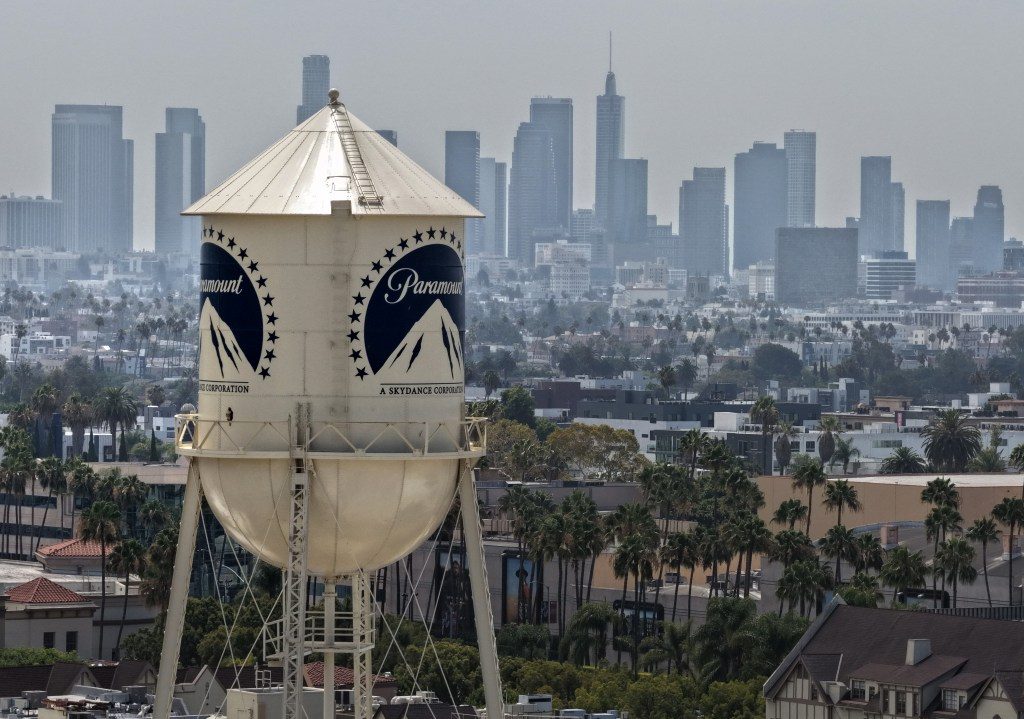
The Federal Communications Commission has cleared the foreign‑ownership portion of Paramount Pictures’ merger with Warner Bros. Discovery.
The decision comes after Paramount petitioned the agency to approve a stake that exceeds the 25 % threshold that normally triggers a review. In the combined entity, 49.5 % of equity will be held by foreign investors, largely Saudi, Qatari and Abu Dhabi‑based funds that together own 38.5 %.
The ruling is significant because Paramount owns CBS stations, which are broadcast licenses that the FCC limits to U.S. owners. Any foreign share above 25 % therefore requires explicit agency approval.
Paramount has argued that the foreign stake poses no national‑security risk and that the Ellison family will retain full control of voting rights.
---
## Background & Context
Paramount filed a petition with the FCC seeking approval for the foreign‑ownership portion of its planned merger with Warner Bros. Discovery.
The proposed transaction would create a media conglomerate with nearly half of its shares owned by investment funds from Saudi Arabia, Qatar and Abu Dhabi. , the foreign ownership would total 49.5 %, with 38.5 % coming from the three Middle‑Eastern fund groups.
The FCC’s declaratory ruling said it believed that “public interest would be served by granting the Petition.” The agency emphasized that its review was necessary because Paramount holds broadcast licenses through CBS stations, and foreign owners are restricted from holding such licenses.
The ruling also stipulates that Paramount must seek permission if its aggregate foreign voting interests exceed 25 % or if it proposes any change to the approved foreign investors’ voting stakes under the declaratory order.
The approval followed a national‑security review by the Committee for the Assessment of Foreign Participation in the United States Telecommunications Services Sector. Paramount submitted a letter of agreement outlining data‑protection safeguards and restrictions on foreign investors’ rights and access.
---
## What People Are Saying
A Paramount spokesperson said, “When the proposed transaction with Warner Bros.
Discovery closes, the Ellison family and RedBird will collectively hold the largest equity stake in the combined company and 100 % of the voting shares, with no other equity participant having any governance rights.” The statement highlighted that the foreign investors will not possess voting control or governance authority.
Anna Gomez, the sole Democrat on the FCC, condemned the agency’s decision. In a statement she said, “The FCC just let some of the most repressive governments in the world indirectly control nearly all of a combined Paramount‑Warner Bros.
An investment this large in one of America’s biggest media companies doesn’t just buy equity, it secures influence over what gets said and what gets made.” Gomez called for a full Commission vote on the issue and criticized the FCC’s staff‑level handling of the ruling.
Democrats on Capitol Hill also voiced concerns about the foreign‑ownership stake, indicating that they would seek greater transparency and oversight in future similar transactions.
---
## What Happens Next
The FCC ruling includes a provision that Paramount must obtain permission if its foreign voting interests exceed 25 % or if it changes the voting interests of any approved foreign investors. This condition means that any future adjustments to the foreign‑ownership structure will trigger another review by the agency.
The merger is still pending final regulatory approvals, and the parties are expected to proceed with closing procedures once all conditions are satisfied.
Paramount has positioned itself as having no governance rights for foreign investors, but the FCC’s declaratory order leaves open the possibility of further scrutiny if voting interests shift.
If either party wishes to alter the foreign‑ownership arrangement beyond the stipulated threshold, they will need to present a new petition to the FCC and may face additional national‑security or public‑interest reviews.
The outcome will likely influence how future media mergers handle large foreign stakes, especially when broadcast licenses are involved.
---
The FCC’s approval marks a pivotal moment for U.S. media consolidation, raising questions about foreign influence in broadcasting.
Paramount’s assurance that the Ellison family maintains full control of voting rights may satisfy some regulators, but congressional critics remain wary of the broader implications for content ownership and national security.
Why It Matters
Our Take
GoNews Pulse Editorial Team
This article was prepared for publication by GoNews Pulse and checked for publication requirements under our editorial standards. We review available information and correct material errors when they are identified.
Quick Answers
- What is the latest update on this story?
- Middle Eastern funds now own 49.5% of Paramount‑Warner after FCC approves
- Who is this story about?
- This article covers developments related to FCC OKs Paramount‑Warner deal, letting Middle Eastern investors own 49.5%. GoNews Pulse's editorial team monitors the story and updates the article as new verified information becomes available.
- Where can I read more about FCC?
- GoNews Pulse publishes original reporting on FCC and related entertainment news. Visit the homepage or browse the section dedicated to this story for the latest coverage.
Related topics
- #FCC
- #Paramount Pictures
- #Warner Bros. Discovery
- #Saudi Arabia
- #Qatar
- #broadcast licenses
More From This Section

Jon Gosselin's 22‑Year‑Old Son Exposes Abuse, Father Shouts Support
Jon Gosselin declares that his son’s 22‑year‑old memoir exposes alleged institutionalization and a hidden ‘small holding’ cell, sparking a national debate.

Mike Colter's Valley Firm AGI Bo Revealed at 2:00 a.m. Shocks Fans
Rob McClure's portrayal of Bo forces the firm to confront a real‑world AGI asking for legal guardrails, sparking a tense ethical debate.

Meredith Grey's bed proposal to Nick on surgery table stuns fans
Meredith Grey slipped a ring into Nick's hand while he lay on the operating table, a move that stunned fans amid the bridge collapse.