
FBG Casino's 17-Kilogram Fentanyl Raid Shockwaves Hip-Hop
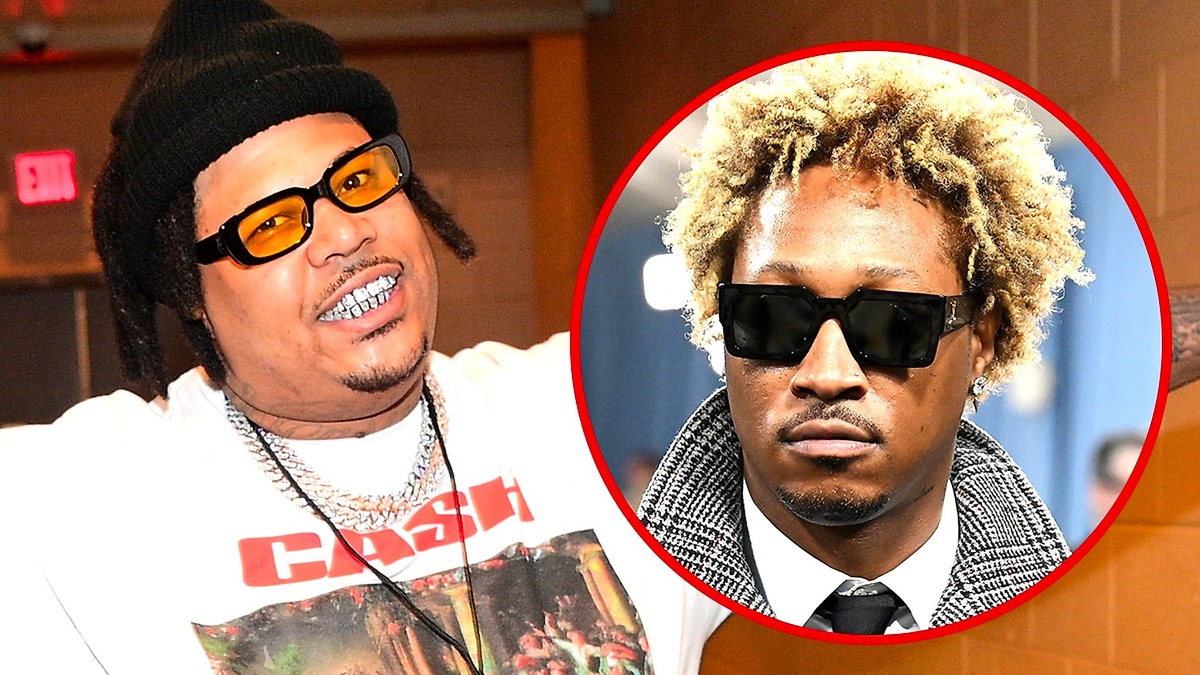
# **Future's Brother, FBG Casino, Pleads Guilty in 17-Kilogram Fentanyl Scandal** Three days ago, the music world paused as Rico Deville Buice—better known as FBG Casino—accepted a plea in a federal fentanyl case that could rewrite his career and his family’s public image.
The rapper, who has collaborated with his brother Future on several tracks, faced charges of conspiracy to possess fentanyl with intent to distribute after federal agents uncovered 17 kilograms of the lethal drug, along with a hefty cash pile, a Glock handgun, and other weapons, in an Airbnb that was used as a stash house.
The case, which culminated in a guilty plea on Thursday, has sent shockwaves through the hip‑hop community and raised fresh questions about the intersection of fame and drug trafficking.
The federal raid, conducted in November 2025, targeted a property that authorities claimed FBG had used as a front for drug distribution. In the search, agents seized a volume of fentanyl that, would have been worth between $300,000 and $388,000 in cash.
Alongside the narcotics were a Glock handgun, ammunition, an extended magazine, a money counter, and several cell phones that were destroyed during the operation.
Under the terms of his plea, FBG agreed to forfeit $388,930 in cash, the handgun, the ammunition, and the magazine—items that were seized as part of the investigation.
While the judge has yet to deliver a sentence, the plea agreement references the mandatory minimum of ten years in federal prison for conspiracy to possess fentanyl with intent to distribute.
The maximum penalty, which could span life in prison and a fine up to $10 million, looms as a stark reminder of the gravity of the charges. After a request to maintain pre‑trial release conditions was denied, FBG was remanded into custody ahead of his scheduled sentencing on January 7.
The move underscores the seriousness with which the court is treating this case, even as the outcome remains to be determined. ## Background & Context Rico Deville Buice, who entered the music scene under the moniker FBG Casino, carved a niche with a raw, gritty style that echoed the hard‑edge of contemporary rap.
Over the past decade, he has released several independent projects and earned a reputation as a rising star within the underground circuit. While not yet a household name on the scale of his brother, Future, FBG’s collaborations and solo work have garnered a loyal fan base and positioned him for a potential breakout.
His ascent, however, has been punctuated by a series of brushes with the law, most notably a prior misdemeanor arrest for possession of a small amount of an illicit substance. These earlier incidents seemed to cast a long shadow over his burgeoning career, and the current case threatens to deepen that shadow.
The fentanyl crisis has become a national emergency, with overdose deaths soaring in recent years. Federal agencies, notably the FBI and the DEA, have intensified their focus on dismantling distribution networks that often leverage the anonymity of digital platforms and the convenience of short‑term rentals.
The choice of an Airbnb property as a stash house is not unusual in contemporary drug trafficking, as criminals exploit the privacy these sites afford.
By seizing 17 kilograms—roughly the weight of a standard freight container—law enforcement agencies underscored the scale at which fentanyl can be stored and prepared for distribution.
The discovery of a significant cash reserve alongside the drugs points to a high‑volume operation, suggesting that the case extends beyond a single, isolated incident. FBG’s case also highlights a growing trend of artists and public figures becoming entangled in legal disputes that expose the darker side of fame.
Whether it’s the lure of quick money, the pressure to maintain a public image, or the influence of surrounding environments, these situations force the industry to confront the responsibility that accompanies notoriety.
Critics argue that the music scene has, at times, inadvertently cultivated an atmosphere where illicit activities can thrive. Others point to systemic failures in law enforcement and community support that leave artists vulnerable to exploitation or self‑destructive behaviors.
The FBG scandal forces the conversation forward, demanding concrete accountability from those who wield cultural influence. ## What People Are Saying The reaction to FBG’s plea has been swift, though it has largely remained confined to online communities and social media threads.
Fans of Future and FBG express a mixture of disbelief and disappointment. Some have posted tributes that call the rapper a “brother” and a “friend,” while others have criticized him for allegedly undermining the hard work that has defined Future’s own journey.
The broader public response, meanwhile, has focused on the broader implications for the drug war and the ethics of celebrity involvement in criminal enterprises. Industry insiders have noted that the case is a cautionary tale for up-and-coming artists.
Several record label executives, who were not publicly named, have spoken privately about the need for stricter vetting processes and comprehensive legal guidance for signees.
Music producers who have worked closely with FBG have indicated that the incident has prompted a reevaluation of the business practices surrounding collaborations with artists who have a history of legal troubles.
Meanwhile, community leaders in cities that have seen a rise in fentanyl-related fatalities are calling for increased educational outreach and support services. They emphasize that the problem extends beyond law enforcement and requires a concerted effort from artists, fans, and policymakers alike.
Public conversation has also turned to the role of social media platforms in perpetuating drug culture. Critics argue that these sites, including the Airbnb ecosystem, provide an environment that enables covert exchanges.
Some activists are demanding that platforms enforce stricter policies and cooperate more aggressively with law enforcement to disrupt the supply chain.
In the context of the FBG case, these debates are gaining traction, with many observers suggesting that a more collaborative approach between the music industry and federal agencies could help stem the tide of drug distribution in nightlife and entertainment venues. ## What Happens Next The immediate focus is on the sentencing date slated for January 7.
At that juncture, the judge will weigh the plea agreement’s stipulations against the circumstances surrounding the case. The mandatory minimum sentence of ten years signals that the court is prepared to impose a substantial custodial period, especially given the magnitude of the fentanyl quantity involved.
The maximum penalty—life imprisonment and a $10 million fine—remains an upper boundary that the judge may consider if mitigating factors are deemed insufficient.
The court will also review the forfeiture agreement, which stipulates that FBG relinquishes a cash sum of $388,930, along with the seized Glock handgun, ammunition, and extended magazine. Beyond sentencing, the case may trigger a cascade of ancillary legal actions.
Prosecutors might pursue additional charges related to the destruction of evidence, including the deliberate disposal of cell phones. FBG’s refusal to remain on pre‑trial release conditions suggests that the court considers him a flight risk or a threat to the community.
As a result, further restrictions on travel and electronic communications may be imposed during the incarceration period. The forfeiture of assets also indicates that the federal government will seek to recover the estimated value of the seized drugs and cash, which could amount to several hundred thousand dollars.
The broader implications for FBG’s career are substantial. Even if he serves a ten‑year sentence, the stigma of a fentanyl conviction will likely limit his ability to secure record deals, perform at major venues, or partner with brands.
Sponsors and promoters are highly sensitive to public perception, and a drug‑related conviction often translates into lost revenue and missed opportunities.
At the same time, the public may see a transformation if FBG leverages his time to advocate for drug‑education initiatives or to become a voice against the fentanyl epidemic.
Whether he can pivot from a life of notoriety to one of advocacy remains to be seen, but the legal outcome will dictate the trajectory of that potential shift. ## Closing As the calendar turns toward January, the music community, law enforcement, and the general public await the final judgment in FBG Casino’s case.
The seizure of 17 kilograms of fentanyl, a cash haul nearing half a million dollars, and the subsequent plea highlight the escalating reach of the opioid crisis into the upper echelons of the entertainment industry.
Future’s brother’s legal entanglement serves as a stark reminder that fame does not shield individuals from the legal and moral responsibilities that accompany their public personas.
The sentencing will set a precedent not only for FBG himself but also for a generation of artists who navigate the fine line between creative ambition and the heavy price of illicit ventures.
The outcome will echo far beyond the courtroom, shaping conversations about drug policy, celebrity accountability, and the future of hip‑hop culture.
At a Glance
- 17 kg fentanyl seized in Airbnb stash house; worth $300‑$388k.
- FBG Casino forfeits $388,930 cash, Glock, ammo, and magazine.
- Sentencing set for Jan 7; mandatory minimum 10 years, potential life.
Why It Matters
Our Take
GoNews Pulse Editorial Team
This article was prepared for publication by GoNews Pulse and checked for publication requirements under our editorial standards. We review available information and correct material errors when they are identified.
Quick Answers
- What is the latest update on this story?
- He forfeited nearly $389k, a Glock, and ammunition, and fans brace for the verdict on January 7 while the 17‑kg stash, worth up to $388k, shows the scale of the operation.
- Who is this story about?
- This article covers developments related to FBG Casino's 17-Kilogram Fentanyl Raid Shockwaves Hip-Hop. GoNews Pulse's editorial team monitors the story and updates the article as new verified information becomes available.
- Where can I read more about celebrity news?
- GoNews Pulse publishes original reporting on celebrity news and related entertainment news. Visit the homepage or browse the section dedicated to this story for the latest coverage.
More From This Section
Jeff Goldblum's lizard‑music voice role stuns fans with quirky adventure
The film’s 10 CGI lizards play a 3‑minute symphony that Jeff Goldblum calls 'surreal', sparking buzz before the trailer drops.

Tom Cruise's $245M 'Digger' flop shatters studio record
With just $8 million opening domestically and a 60% drop in its second week, 'Digger' hauls in a record $245 million loss that Hollywood hasn't seen.
Bryan Seaver’s $251,000 debt claim threatens Dollywood order
Seaver claims the $251,000 owed for Dollywood security services has cleared, but the park argues payments were incomplete, sparking a restraining order fight.