
Galliano’s Met Gala fallout shatters museum plans, reveals shockwave
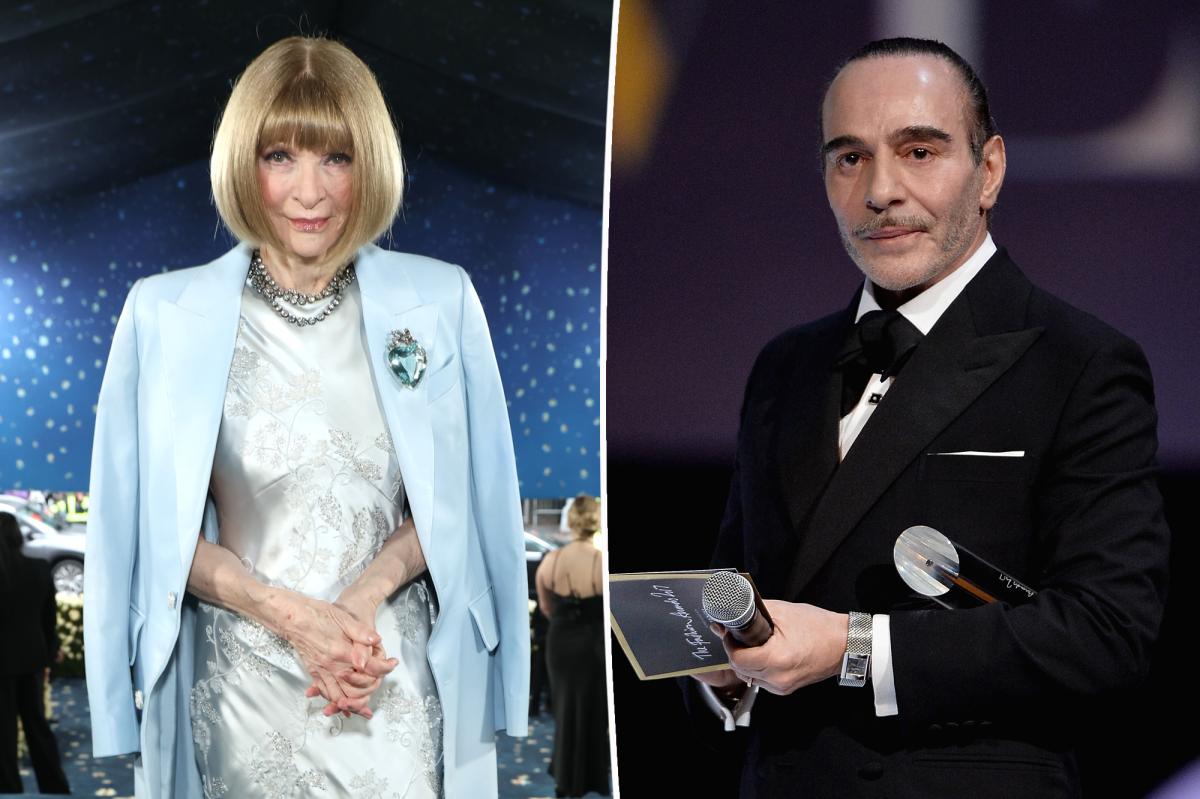
**The Met’s Year of Fire: How a Scandal Forced a Museum to Rethink Its Future**
The Metropolitan Museum of Art has always defined May 1st—not the day, but the Monday—by a single, unmatched spectacle. The Met Gala, the fashion world’s most extravagant fundraiser, is more than a night of dressing like living art.
It’s a cultural reset button, a barometer of what obsesses the industry, and a financial lifeline for the Costume Institute. So when the museum announced its 2027 gala would coincide with an exhibit honoring John Galliano, a designer whose legacy was already a powder keg, it set off a domino effect no one could have anticipated.
By July 2026, the backlash had become impossible to ignore. Civic leaders, donors, and Jewish groups united in calling for the cancellation of *John Galliano: Horizons*, scheduled to open the same night as the gala on Yom HaShoah, Holocaust Remembrance Day. The timing wasn’t a coincidence—it was a provocation.
Galliano, once the creative savior of Dior, had spent years grappling with the fallout from his 2011 conviction for antisemitic and anti-Asian slurs, including praising Hitler in public. His 2019 apology and rehab stint hadn’t quieted the debate: Was his work separable from the man? Could art redemption ever outpace moral reckoning?
The Met now faces a dilemma with no clean exit. Nine months until the gala is a razor-thin window for contingency planning.
Exhibitions like these don’t materialize overnight—they’re years in the making, with curators tracking down rare pieces, negotiating loans, and crafting narratives that turn clothing into history. *Horizons* had already locked in archival treasures, from Galliano’s early sketchbooks to never-before-seen Dior prototypes.
Abandoning it isn’t just about lost time; it’s about losing a chunk of the museum’s intellectual capital. The question isn’t whether the Met can pivot—it’s whether it can do so without betraying its own standards.
---
## **The Galliano Paradox: A Career Built on Controversy**
John Galliano’s genius was never in question. His 1996 debut for Dior—a collection that blended Parisian elegance with punk rebellion—saved the house from irrelevance. He transformed haute couture into a global phenomenon, blending street style with haute couture, making the impossible wearable.
By 2000, he was the most copied designer in the world, his name synonymous with audacity. But that same audacity, unchecked, became his undoing.
The 2011 courtroom confessions were the first public glimpse of a man whose public persona had always been larger than life. Galliano, in interviews, would later claim his outbursts were the result of “demons”—drugs, alcohol, the pressure of perfection. Yet the pattern persisted.
In 2019, reports resurfaced of him allegedly screaming anti-Semitic slurs at a spa in Italy. Dior distanced itself, and though he remained at the helm until 2011, his position became untenable. The fashion world, once his court, grew uneasy.
The Met’s decision to honor him was never going to be simple. Andrew Bolton, the Costume Institute’s curator, had toyed with the idea since 2010, long before Galliano’s controversies resurfaced with vengeance.
By 2024, as planning for *Horizons* intensified, Bolton framed Galliano’s legacy as a “rupture”—a designer whose brilliance and bigotry were inextricably linked. The exhibit was supposed to be a reckoning, not a celebration.
But when civic leaders and donors began demanding its cancellation, the Met was left with a choice: double down on an uncomfortable truth or abandon it entirely.
---
## **The Unraveling: How a Single Instagram Post Shook the Met**
The unraveling began with a single sentence. On a Monday in July 2026, Galliano posted on Instagram: *“After much reflection… I have decided, with great sadness, that it is best for the exhibition not to take place at this time.”* The words were diplomatic, even self-effacing.
He acknowledged the “pain” his work might cause, deferred to the Met’s priorities, and bowed out with a gesture of deference. But the damage was done.
What followed was a tidal wave of relief, recrimination, and existential museum hand-wringing. Jewish organizations that had spent months lobbying the Met against the exhibit celebrated the decision as a victory for accountability. Donors, who had privately voiced concerns about associating their names with Galliano’s legacy, exhaled.
Yet inside the museum, curators and fundraisers scrambled to assess the fallout. The Met Gala isn’t just a party—it’s the Costume Institute’s annual budget lifeline, pulling in tens of millions. Without a cohesive narrative, the event risks becoming just another red-carpet spectacle, stripped of its intellectual backbone.
The timeline for replacement options is brutal. Normally, Met Gala themes are locked in a year in advance, giving planners time to secure major loans and commissions. But with only nine months until May 2027, the museum’s hands are tied.
One insider suggested pulling forward a future exhibit already in development, but even that would be a scaled-down affair. The alternative? A show built entirely around the Costume Institute’s permanent collection—a treasure trove of 35,000 garments spanning seven centuries.
The problem? Permanent collections don’t tell stories as vividly as blockbuster exhibits. They’re the backbone, not the spectacle.
--- ## **The Road Ahead: Can the Met Recover Its Cultural Authority?**
The Met has canceled the gala before. In 2000, internal curatorial disputes and the death of Richard Martin, the Costume Institute’s director, derailed a Lagerfeld-themed event. In 2001, 9/11 made the spectacle unthinkable.
And in 2020, COVID-19 rendered the idea of a packed Met ball a public health nightmare. Each time, the museum found a way to reinvent itself—though the 2023 *Karl Lagerfeld* retrospective proved that even canceled themes can return, reimagined.
This time, the stakes feel different. The Galliano scandal isn’t just about a rogue designer’s past—it’s about the museum’s role as a cultural arbitrator. If the Met bails on a controversial but historically significant figure, what does that say about its commitment to unfiltered artistic exploration?
If it proceeds, it risks alienating donors, sparking protests, and tarnishing its reputation as a taste maker. The most drastic option—canceling the gala entirely—would be unprecedented in modern memory, but it’s not without precedent. In 2000, the event was scrapped without fanfare; in 2020, it became a virtual affair.
This year, the Met might have to ask: Is the gala’s spectacle worth the moral compromises?
What’s certain is that the Costume Institute will emerge from this crisis with a harder question to answer: *Who gets to be remembered, and on whose terms?* The Galliano debacle has forced the museum to confront a truth it has long avoided—fashion, like all art, is a reflection of its creators, warts and all.
The challenge now is to curate that complexity without losing its audience. The Met’s next move won’t just determine the fate of one gala. It will define the institution’s soul for a generation.
Why It Matters
Our Take
GoNews Pulse Editorial Team
This article was prepared for publication by GoNews Pulse and checked for publication requirements under our editorial standards. We review available information and correct material errors when they are identified.
Quick Answers
- What is the latest update on this story?
- The museum scrambles to hide a scandal that could rewrite fashion history.
- Who is this story about?
- This article covers developments related to Galliano’s Met Gala fallout shatters museum plans, reveals shockwave. GoNews Pulse's editorial team monitors the story and updates the article as new verified information becomes available.
- Where can I read more about Met Gala?
- GoNews Pulse publishes original reporting on Met Gala and related entertainment news. Visit the homepage or browse the section dedicated to this story for the latest coverage.
Related topics
- #Met Gala
- #John Galliano
More From This Section
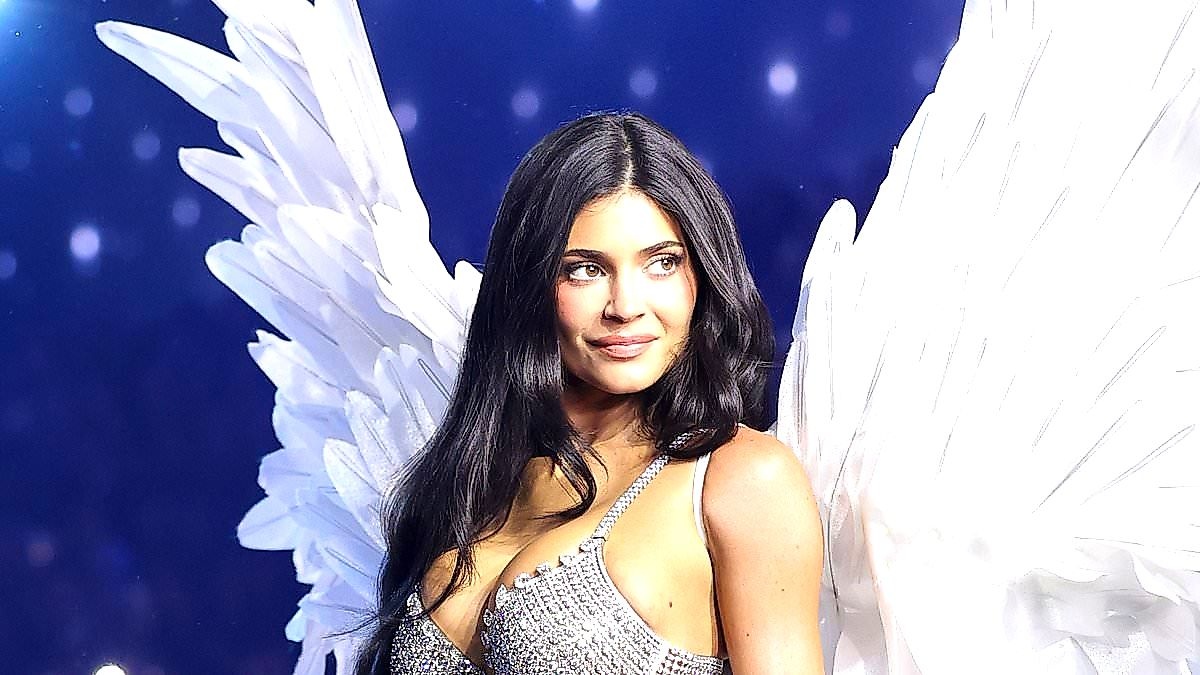
Kylie Jenner's $50 million Fantasy Bra Shocks Fashion World
Kylie Jenner, 29, dazzled the crowd with a $50 million Fantasy Bra studded with a $22 million yellow diamond and 4,400 smaller gems, turning the runway into a glittering spectacle.

Billie Piper's 44-Year-Old Furry Strapless Dress Dazzles at Dinner
Her striking purple eyeliner and oversized black hat turned heads, while a glittering faux‑fur dress left photographers scrambling for perfect shots.

Lisa Barlow's 60‑minute lip‑liner marathon shocks fans
She revealed the pink‑brown lip liner she re‑applies every hour keeps her lips flawless all day, while she promotes Vita Coco’s coconut‑water desserts.