
Ethan Hawke slams Hollywood's ‘greedy bastards’ in GQ – revolt begins
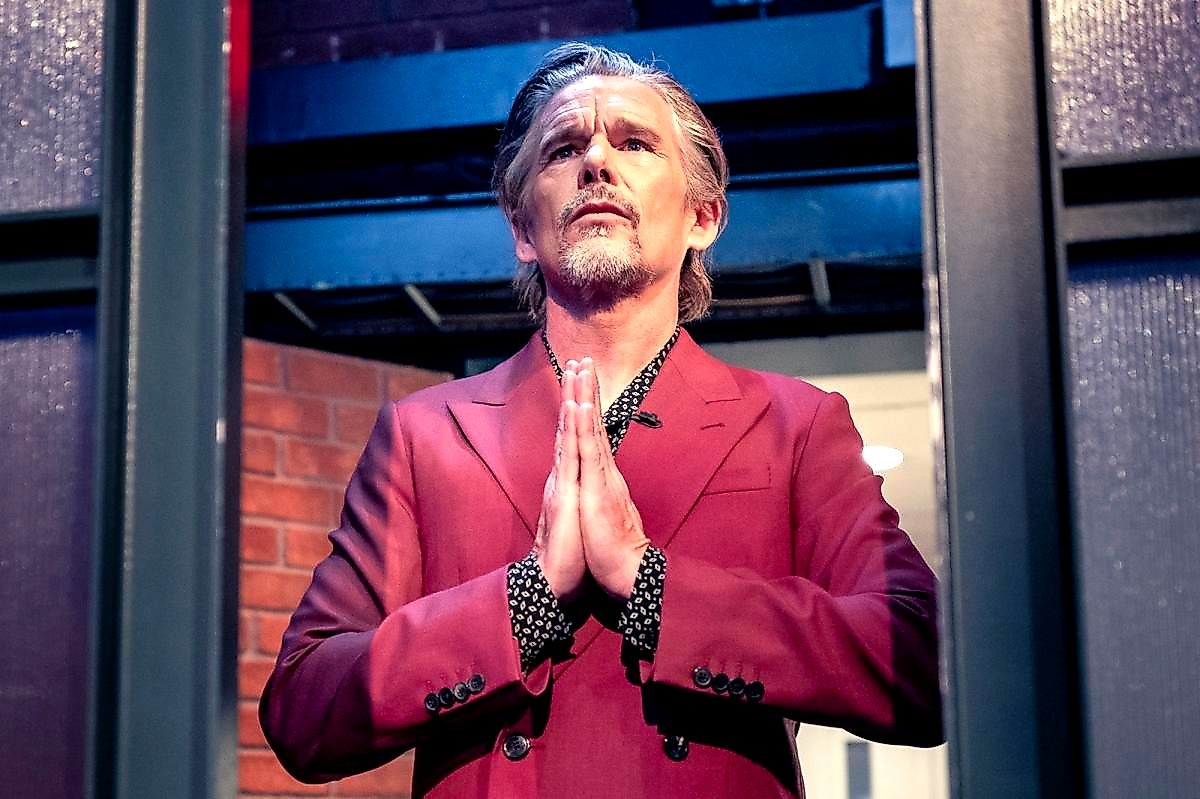
# Ethan Hawke Calls Hollywood's Greedy Bastards Out, Warns of Imminent Rebellion The Oscar‑nominated actor took a hard‑hitting stance in a recent interview with GQ, blasting the powerful financiers he calls “greedy bastards” and claiming that the next wave of creative revolt is already forming.
Hawke’s words hit home for a generation of performers who feel trapped by a system that rewards quantity over quality, and his call to “punch back” resonated with a wider cultural push for authenticity.
Hawke’s outburst comes at a time when Hollywood is grappling with a glut of sequels and remakes that seem to favor safe bets over bold storytelling.
As the industry’s financial engine tightens, actors often find themselves paid less for projects that they love most, a reality Hawke underscored by saying, “There’s a direct correlation.
I find that the more you love a project, the less you get paid.” His frustration echoes that of peers like Dakota Johnson, who called the industry a “mess” for its risk‑averse tendencies and committee‑driven decision making.
With the spotlight on systemic inequities and the growing influence of streaming platforms, Hawke’s voice adds fuel to a conversation that has moved far beyond the confines of red‑carpet debates. ## Background & Context Ethan Hawke has spent two decades carving a reputation as a thoughtful, introspective actor.
From the quiet intensity of *Training Day* to the sharp wit of *Before* sequels, his career has spanned indie darlings and mainstream blockbusters alike. Yet despite the accolades, he has never shied away from exposing the darker side of the business.
In 2023, on *The Joe Rogan Experience*, he compared celebrity to “a tiny drop of mercury,” describing fame as a poison that infiltrates the mind in subtle, hard‑to‑detect ways.
His analogy—comparing the effects of early fame to improperly mixed concrete that can never be repaired—underscored how damaging the industry can be for young artists. Hawke’s critique is not isolated.
Dakota Johnson, daughter of actors Melanie Griffith and Don Johnson, recently lamented on *Hot Ones* that Hollywood is “risk‑averse” and that creative decisions are often made by committees of people who “don’t even really watch movies or know anything about them.” Johnson’s remarks echo Hawke’s call for new storytelling and fresh voices, reinforcing the sentiment that the industry’s current model stifles genuine artistic expression.
Together, these comments paint a portrait of a Hollywood that is increasingly perceived as a profit machine prioritizing formulas over originality.
As streaming services vie for exclusive content, the stakes grow higher and the debate about creative freedom intensifies, setting the stage for Hawke’s rallying cry. ## What People Are Saying In the GQ interview, Hawke’s rhetoric was both visceral and prophetic. “I believe in rebellion.
And I think people are going to wake up and punch back,” he said, foretelling a surge in “massive movements in music and massive movements in live theater.” His words struck a chord with a segment of the public that feels disenchanted with the corporate consolidation of entertainment.
Social media erupted with hashtags such as #HollywoodRebellion and #BreakTheGreedyBastards, as fans and creators alike echoed his sentiment that the “money and the greedy bastards that think they control everybody” will ultimately be defeated.
Critics, however, warn that Hawke’s vision may overlook the complexity of industry economics. While his call to “beat the algorithm” sounds empowering, it glosses over algorithms—whether they govern streaming recommendations or casting calls—are often dictated by data that favors the status quo.
Still, many applaud Hawke’s willingness to expose the “worthless” lives of those who “think they’re winning” in an arena where success is frequently measured in box‑office numbers rather than artistic merit. The conversation extends beyond the screen.
Music artists and theater producers have joined the dialogue, pointing to recent grassroots movements that challenge traditional gatekeepers.
In independent cinema, directors are pushing for distribution deals that prioritize creative control over profit margins, echoing Hawke’s stance that “the more you love a project, the less you get paid.” These developments suggest that Hawke’s rallying cry may be more than rhetoric—it could signal a realignment of how creative talent negotiates value. ## What Happens Next Hawke’s proclamation of an impending rebellion raises questions about its practical implications.
If the creative community truly mobilizes, the first visible changes could appear in the funding and distribution of projects that prioritize artistic integrity over commercial viability.
Crowdfunding platforms may see a surge in support for original scripts, while streaming services might recalibrate their acquisition strategies to include more diverse voices.
Industry insiders speculate that studios will face mounting pressure to diversify their slate, potentially leading to a shift away from sequels and remakes. If the public takes Hawke’s warning to heart, we may witness a renewed focus on narratives that reflect real-world experiences rather than formulaic entertainment.
This could usher in a new era where performers like Hawke, who value craft over cash, find more meaningful roles. Meanwhile, the conversation is likely to spread into the realms of education and policy.
Film schools and acting conservatories may begin to emphasize financial literacy and negotiation skills, preparing the next generation to navigate a landscape that increasingly rewards independence.
Legislators, too, might scrutinize the concentration of power in major studios and explore antitrust measures to dismantle monopolistic practices that perpetuate Hawke’s “greedy bastards.” In the coming months, the entertainment world will watch closely to see whether Hawke’s call to action sparks tangible change or fades into the noise of a crowded industry.
One thing is certain: his bold indictment of Hollywood’s financial elite has already ignited a conversation that will shape the discourse around creative autonomy and economic equity for years to come.
As Hawke reminds us in his GQ interview, “Don’t worry that the money and the greedy bastards that think they control everybody, they always lose in the end.” Whether that prophecy holds true remains to be seen, but the debate it has sparked marks a turning point in how talent and profit intersect in the modern entertainment landscape.
At a Glance
- Hawke’s GQ interview calls Hollywood financiers “greedy bastards,” igniting debate over profit over art.
- Actors like Dakota Johnson echo his criticism,
- The call for a creative revolt could reshape funding, distribution, and industry antitrust scrutiny in coming months.
Why It Matters
Our Take
GoNews Pulse Editorial Team
This article was prepared for publication by GoNews Pulse and checked for publication requirements under our editorial standards. We review available information and correct material errors when they are identified.
Quick Answers
- What is the latest update on this story?
- Hawke declares in GQ that the more you love a project, the less you get paid, sparking a firestorm among actors demanding fair pay in Hollywood’s cut‑throat studio system.
- Who is this story about?
- This article covers developments related to Ethan Hawke slams Hollywood's ‘greedy bastards’ in GQ – revolt begins. GoNews Pulse's editorial team monitors the story and updates the article as new verified information becomes available.
- Where can I read more about celebrity news?
- GoNews Pulse publishes original reporting on celebrity news and related entertainment news. Visit the homepage or browse the section dedicated to this story for the latest coverage.
More From This Section
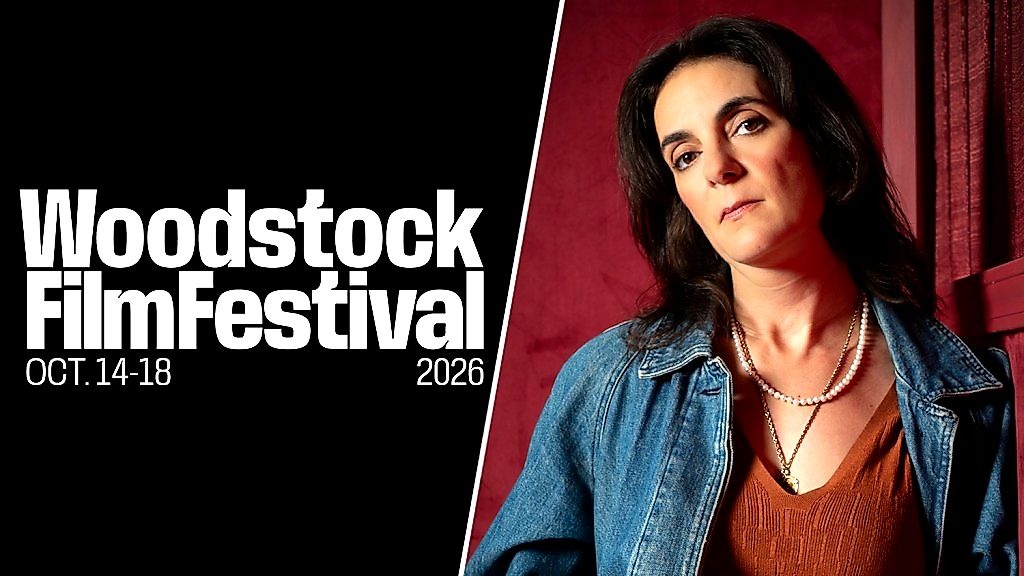
Jessica Edwards' 27-Year Legacy Shakes Woodstock Film Festival
Jessica Edwards announced she will double the festival’s screen time for women filmmakers, promising a new wave of diverse stories at next spring’s event.

Taylor Swift's 36-Year-Old Red Turns Chiefs Fans Into Celebrity Crowd
Swift's front‑row red turtleneck and a heartfelt hug to Donna Kelce at Arrowhead left fans stunned as Chiefs edged Chargers 33‑30 in overtime.
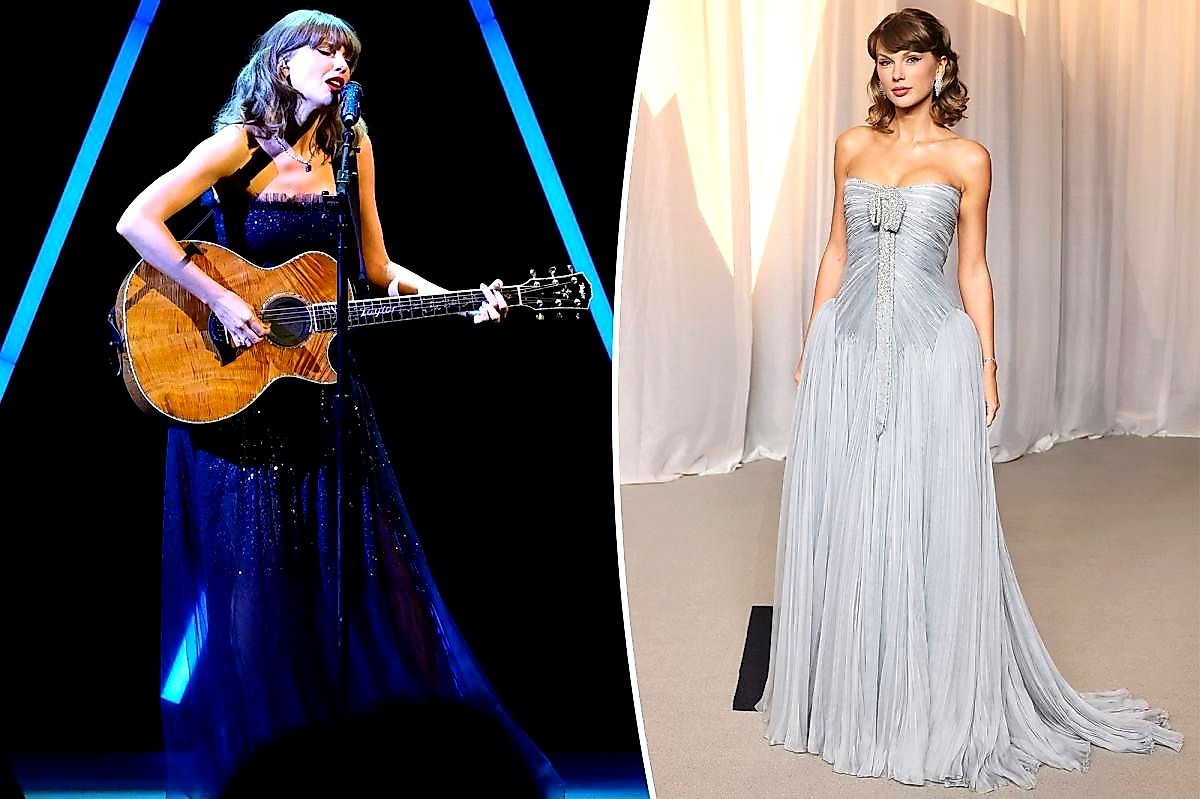
Taylor Swift's 36-year-old drops 'The Fate of Ophelia' at Academy Gala
She stunned in a strapless pale‑blue Dior gown, opening with a brand‑new Toy Story 5 track and a 'Blank Space' performance, showcasing her theatrical flair.