
Eric Dane's ALS Diagnosis After 1 Headache Reveals Harsh Reality

# Eric Dane’s First Headache Unmasked an ALS Diagnosis That Stole Years When Rebecca Gayheart recalled the first time her former husband, actor Eric Dane, complained of a headache, the memory was sharp and ordinary—except it was not.
It was the beginning of a quiet, creeping illness that would culminate in a fatal diagnosis just months later. Their story unfolds in the quiet corridors of medical investigations and in the simple moments of a family trying to hold together when one member begins to fade.
The way this silent progression was spotted, the missteps of medical science, and the impact on a young family offer a stark look at a disease that can strike without warning. Eric Dane, best known for his role as Dr.
Mark Sloan on *Grey’s Anatomy*, lived a quiet life on the surface. He and Rebecca Gayheart—who was 55 at the time—had been together for years, raising two daughters, Billie, 16, and Georgia, 14, as a single unit.
Their marriage had ended in divorce, but they maintained a joint family life. Dane’s first hint of trouble came during a sushi dinner, when he found his right hand numb and unable to grip chopsticks.
Yet before that, a seemingly innocuous headache appeared, an anomaly for the once headache‑free actor. Gayheart’s recollection, shared on “Personal Spaces” with Drew Barrymore, paints a vivid picture.
“He never once had a headache for all the years we were married or dated,” she said, her voice tinged with disbelief. She remembered challenging him: “You’ve never taken an Advil.
What are you talking about a headache?
You don’t have a headache.” At the time, Dane dismissed it as a “sleep on the neck funny.” That simple, unremarkable moment would later be seen as a prelude to a devastating diagnosis. ## Background & Context The early signs of Amyotrophic Lateral Sclerosis (ALS) are often subtle, slipping under the radar until they become undeniable.
In Dane’s case, the first clinical manifestation was a hand weakness that began just weeks after the sushi incident. He described it in his posthumous memoir, *My Book of Days: A Memoir in Moments*, where he wrote, “Suddenly I can’t work the chopsticks with my right hand.
My hand tingles, and then my fingers feel numb.” What was initially perceived as a simple texting habit turned into a progressive loss of strength. Within three weeks, his hand could no longer grip the chopsticks at all, signaling a rapid decline that prompted a flurry of medical evaluations.
Dane’s journey through the diagnostic maze began in early 2024. He was misdiagnosed with multifocal motor neuropathy, a rare autoimmune disorder that can mimic ALS but typically responds to a specific 90‑percent effective treatment.
The misdiagnosis, however, became a red flag when Dane failed to improve. His team grew concerned, leading to a battery of further investigations: a lumbar puncture, spinal fluid analysis, and brain imaging.
Nine months into this medical odyssey, the correct diagnosis finally emerged—ALS.
The confirmation came in a bleak April 2025, the same month that Dane and Gayheart filed to dismiss their divorce, a legal move that preserved their joint commitment to their daughters despite the unraveling of their romantic relationship.
The timeline of Dane’s decline—first symptom in early 2024, diagnosis in April, and his passing in February 2025—underscores how swiftly ALS can erode a person's independence. It also reflects the broader issue of misdiagnosis in neuromuscular diseases, where similar symptom patterns can lead clinicians astray.
Dane’s case serves as a cautionary tale for both patients and healthcare providers alike. ## What People Are Saying While the public’s reaction has largely been one of sorrow, the discourse surrounding Dane’s experience has highlighted a critical conversation about early detection and the role of close relationships in identifying symptoms.
Rebecca Gayheart’s candid reflection on the first headache, an otherwise unremarkable event, offers a compelling narrative about how small deviations from the norm can herald a serious illness.
Her account—shared on a mainstream platform—has resonated with many who recognize that sometimes a single, ignored symptom can signal the beginning of a devastating disease. The medical community has also taken note of Dane’s journey.
The misdiagnosis of multifocal motor neuropathy, followed by a delayed ALS diagnosis, has prompted discussions about refining diagnostic protocols for motor neuron diseases.
Specialists have pointed out that early signs such as hand weakness, numbness, or subtle coordination issues should trigger a broader differential diagnosis. They stress the importance of longitudinal monitoring and the value of patients’ observations in guiding early intervention.
Fans and colleagues from the television world have honored Dane’s memory by reflecting on his career and the warmth he brought to his characters.
Many have taken to social media to share tributes, underscoring how his passing has left a gap not only in the entertainment industry but also in the lives of those who grew up watching him on screen.
In a broader sense, Dane’s death has reignited conversations about the urgency of funding research for ALS and the need for better support structures for patients and families. ## What Happens Next Looking forward, the impact of Eric Dane’s story extends beyond memorials.
His memoir, *My Book of Days*, has already been hailed as a poignant reminder of the fragility of life, and its release offers a platform for increased awareness of ALS. The narrative invites readers to recognize early warning signs and encourages them to seek prompt medical attention when subtle symptoms emerge.
In addition, the story of Dane’s medical journey is being used as a case study in neurology conferences to illustrate the pitfalls of misdiagnosis and the necessity for a comprehensive approach to diagnosing motor neuron disorders.
For the family, the road ahead involves honoring Dane’s legacy while navigating the complexities of grief and new realities. Rebecca Gayheart, who was 55 when she first heard about his headaches, has expressed her commitment to maintaining the family unit for Billie and Georgia.
The decision to file to dismiss the divorce in April 2025 was reportedly a strategic move to keep their daughters’ lives stable amid the turbulence of illness and loss.
The couple’s continued cooperation demonstrates how personal relationships can evolve to serve the well‑being of children when faced with extraordinary circumstances. On a larger scale, Dane’s experience has amplified advocacy efforts for ALS research funding.
Foundations dedicated to motor neuron disease are leveraging his story to fund clinical trials and accelerate the development of new therapies. The hope is that increased visibility will translate into faster diagnoses, more effective treatments, and ultimately, a cure.
The broader medical community is also re-examining diagnostic protocols, recognizing that early symptoms—like a single headache or mild numbness—can be the first crack in a fragile shell that, if not addressed, may lead to a devastating disease.
Eric Dane’s life and untimely passing have left an indelible mark on fans, colleagues, and the medical community. The narrative of a simple headache turning into a silent, relentless disease underscores the critical importance of listening to our bodies and our loved ones.
As the family and advocates continue to honor his memory, they also push forward a message that resonates far beyond the screen: that vigilance, empathy, and swift action can save lives.
At a Glance
- The first warning was a sudden, never‑before headache that shocked even Dane’s close partner.
- Within weeks his right hand went numb, leading to a misdiagnosis of multifocal motor neuropathy before ALS was confirmed.
- A strategic dismissal of their divorce kept the family unit intact and allowed the daughters to remain together amid grief.
Why It Matters
Our Take
GoNews Pulse Editorial Team
This article was prepared for publication by GoNews Pulse and checked for publication requirements under our editorial standards. We review available information and correct material errors when they are identified.
Quick Answers
- What is the latest update on this story?
- Gayheart recalls the first headache, saying “He never once had a headache for all the years…”, a moment that foreshadowed Dane’s fatal ALS.
- Who is this story about?
- This article covers developments related to Eric Dane's ALS Diagnosis After 1 Headache Reveals Harsh Reality. GoNews Pulse's editorial team monitors the story and updates the article as new verified information becomes available.
- Where can I read more about celebrity news?
- GoNews Pulse publishes original reporting on celebrity news and related entertainment news. Visit the homepage or browse the section dedicated to this story for the latest coverage.
More From This Section

Caitríona Balfe brings cult stars to 'Ascension', stoking Apple TV+ buzz
The trio—Art Malik, Fred Loxley, Mirren Mack—join Balfe as executive‑produced stars, weaving a chilling cult narrative that grips Apple TV+ viewers.
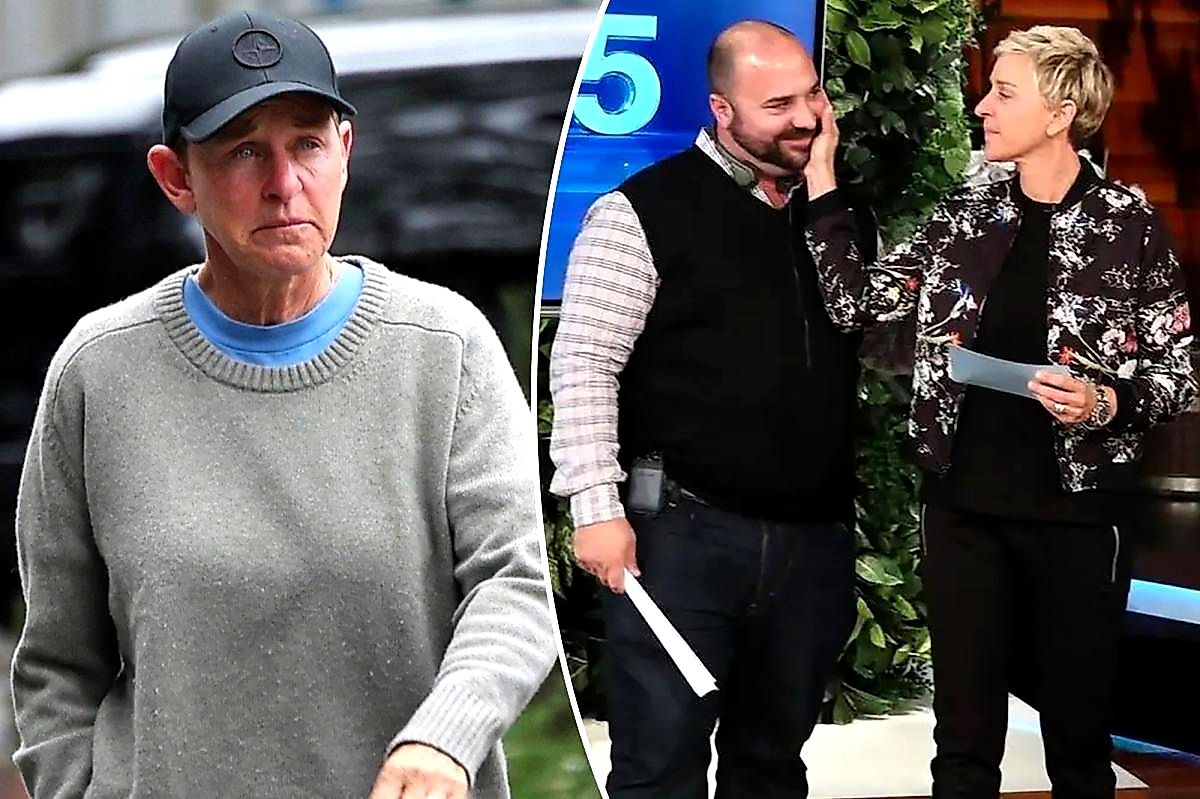
Ellen DeGeneres Donates $5,000 to Matt Wright's Family, Fans Shocked
The late producer, 52, said the GoFundMe was set to cover the $10,000 body‑transport bill, and Ellen’s $5,000 gift sparked a debate on celebrity generosity.

Martha Stewart's 82-Year-Old Chocolate-Soaked Costume Sparks Debate
After a chocolate spill on 'Today', Martha Stewart’s 82‑year‑old Halloween costume sparked outrage as she publicly blamed the host, prompting a swift apology that acknowledged her misstep.