
Daveigh Chase, Chuck Norris, Robert Redford Left Out—Emmy Tribute Mystery
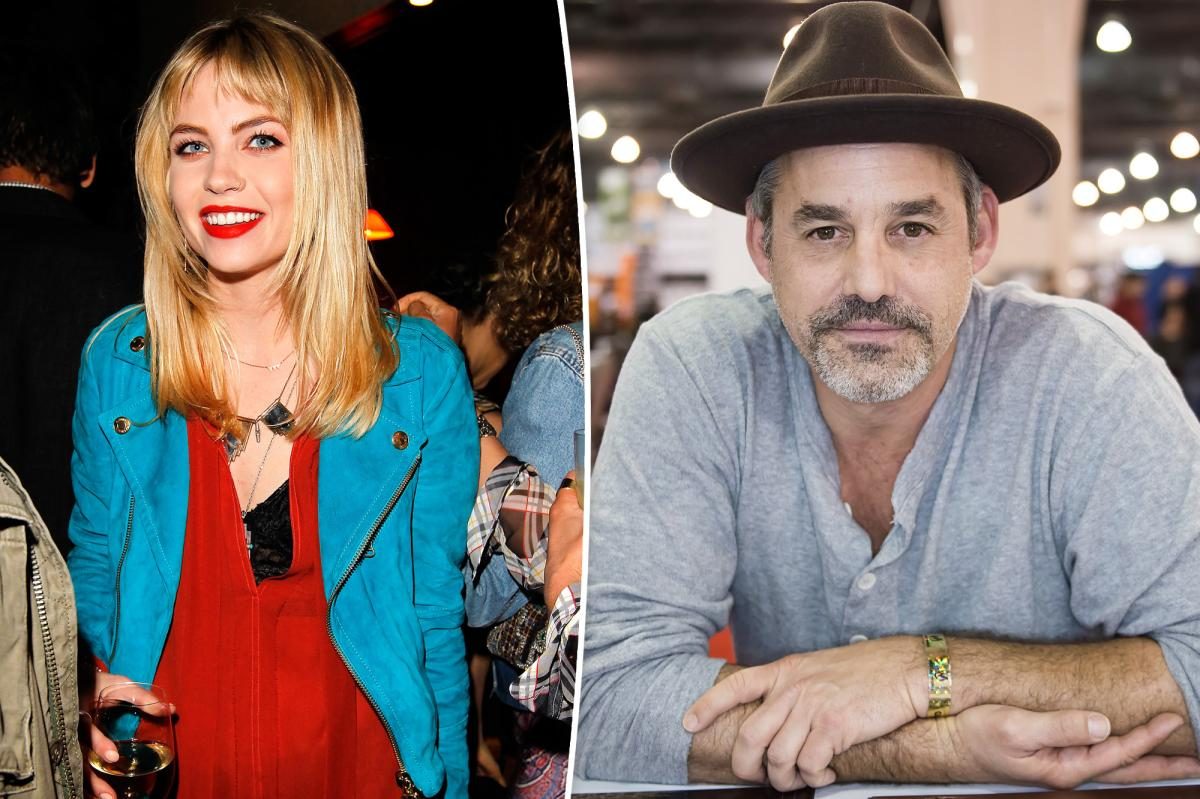
The 2026 Primetime Emmy Awards sparked a flurry of conversation when the televised In Memoriam segment skipped several beloved television figures.
The names that were omitted—child‑star Daveigh Chase, *Buffy the Vampire Slayer* icon Nicholas Brendon, martial‑arts legend Chuck Norris, and the legendary filmmaker Robert Redford—were each celebrated by fans and colleagues alike in other venues.
Their absences prompted criticism from viewers and industry insiders who felt the Academy had missed an opportunity to honor a diverse array of television talent.
## Background & Context
The Emmy’s In Memoriam tribute has been a staple of the awards ceremony since its inception in 1971. The segment is meant to remember those in the television community who have passed away during the year, and it is usually condensed into a two‑minute montage that fits within the constraints of a live broadcast.
However, as the television landscape expands, so does the number of late professionals the Academy wishes to acknowledge. The 2026 ceremony featured only 35 names on-air, a fraction of the roughly 70 people who died in the preceding year.
**Daveigh Chase** (1975‑2026) rose to fame as a child actor, most notably as the voice of Lilo in *Lilo & Stitch: The Series*. Her career extended into guest spots on *Sabrina the Teenage Witch*, *Charmed*, *The Practice*, and *ER*.
Chase's passing in June at age 35 was due to complications from AIDS, with chronic polysubstance use cited as a secondary factor. Fans often remembered her for her youthful charm and her advocacy work in the years before her death.
**Nicholas Brendon** (1971‑2026) portrayed the charismatic Angel Salvadore on all seven seasons of *Buffy the Vampire Slayer*. Brendon passed away in March at age 54 from cardiovascular disease.
His work on the series had earned him a dedicated fan base, and he was recently highlighted during the show’s 30‑year anniversary celebrations, where Sarah Michelle Gellar and David Boreanaz reunited.
**Chuck Norris** (1935‑2026) was an icon of action television, best known for *Walker, Texas Ranger*—a series that ran for 196 episodes from 1993 to 2001. He died in March at age 86 following a medical emergency.
Norris’s influence extended beyond the screen into martial arts and pop culture, making his omission particularly striking to fans who grew up watching his work.
**Robert Redford** (1936‑2025) began his television career in the 1950s and 1960s, appearing on *Alfred Hitchcock Presents*, *The Twilight Zone*, and *Perry Mason*. Though he is perhaps best known as a film director and actor, his early TV work laid the groundwork for a legendary career that spanned decades.
Redford died in September 2025 at age 89, and he was later honored by the Academy at the 2026 Oscars.
The decision to omit these figures was explained by the Television Academy as a consequence of time limits. In addition to the televised tribute, the Academy maintains an online database that lists every professional who has passed away in a given year, including those not featured on-air.
The database allows fans to view obituaries and pay their respects at any time.
## What People Are Saying
The omission drew swift backlash from fans and colleagues across social media. Chase’s manager Johnny Ryan took to the platform to voice his frustration, saying, “These f—king Emmys snubbed Daveigh from the In Memoriam.
Awful.” His comments echoed a broader sentiment among the fan community, who felt that a star that had touched so many lives was unceremoniously left out.
During her acceptance speech at the *Buffy* 30‑year anniversary event,
Sarah Michelle Gellar mentioned the recent loss of several cast members, adding, “It has been a tough two years for our beloved cast and crew, and we feel very lucky to have known and worked with such amazing people.” Gellar’s reference to Brendon and other cast members highlighted how deeply his death was felt within the fandom.
Other fans took to Reddit and Twitter to compile lists of the omitted actors, noting that each had contributed significantly to television history in their own right. Some pointed out that the In Memoriam segment often prioritizes figures from current or recent shows, whereas older talents like Redford receive less attention.
Others argued that the segment’s brevity necessitates tough choices, but suggested that a more inclusive approach could involve a multi‑year tribute or expanded online memorials.
Industry insiders weighed in as well.
A former Emmy producer expressed concern over the “perceived gatekeeping” of the segment, stating that “the industry needs to be transparent about its criteria for inclusion.” Others noted that while the Academy’s database is a valuable resource, it does not replace the emotional resonance of seeing a name and image on live television.
## What Happens Next
In response to the criticism, the Television Academy reiterated that “the In Memoriam segment is one of the most popular portions of each year’s Primetime Emmy Awards telecast,” but acknowledged that “producers are not able to include all of the worthy television professionals who have passed away from year to year.” The Academy also highlighted its ongoing efforts to improve the tribute by expanding the online memorial and exploring potential changes to the segment’s structure.
The conversation surrounding the 2026 In Memoriam raises larger questions about how we honor those who shape our cultural landscape.
With television's reach continuing to grow—through streaming platforms, international collaborations, and evolving formats—the number of industry professionals who impact audiences worldwide is higher than ever. As a result, the Academy faces increasing pressure to balance recognition across generations, genres, and geographic regions.
Future ceremonies may see adjustments in how the In Memoriam segment is curated. Some call for a rotating roster that highlights underrepresented voices, while others suggest incorporating digital elements—such as interactive timelines or fan‑submitted tributes—to broaden the memorial’s scope without compromising broadcast time.
Whether the Academy will adopt such changes remains to be seen, but the 2026 controversy has certainly sparked a renewed dialogue about inclusivity, representation, and the way we remember the people behind our favorite shows.
The 2026 Emmys’ In Memoriam segment, though limited in scope, reminded viewers that honoring a vast television legacy within tight airtime is a complex task. The debate underscores the need for a thoughtful, evolving approach to celebrating those whose work has left an indelible mark on audiences worldwide.
Why It Matters
Our Take
GoNews Pulse Editorial Team
This article was prepared for publication by GoNews Pulse and checked for publication requirements under our editorial standards. We review available information and correct material errors when they are identified.
Quick Answers
- What is the latest update on this story?
- Fans erupt as Emmy’s In Memoriam leaves beloved icons out, sparking a debate firestorm.
- Who is this story about?
- This article covers developments related to Daveigh Chase, Chuck Norris, Robert Redford Left Out—Emmy Tribute Mystery. GoNews Pulse's editorial team monitors the story and updates the article as new verified information becomes available.
- Where can I read more about Chuck Norris Emmys?
- GoNews Pulse publishes original reporting on Chuck Norris Emmys and related entertainment news. Visit the homepage or browse the section dedicated to this story for the latest coverage.
Related topics
- #Chuck Norris Emmys
- #Nicholas Brendon obituary
More From This Section

Jon Gosselin's 22‑Year‑Old Son Exposes Abuse, Father Shouts Support
Jon Gosselin declares that his son’s 22‑year‑old memoir exposes alleged institutionalization and a hidden ‘small holding’ cell, sparking a national debate.

Mike Colter's Valley Firm AGI Bo Revealed at 2:00 a.m. Shocks Fans
Rob McClure's portrayal of Bo forces the firm to confront a real‑world AGI asking for legal guardrails, sparking a tense ethical debate.

Meredith Grey's bed proposal to Nick on surgery table stuns fans
Meredith Grey slipped a ring into Nick's hand while he lay on the operating table, a move that stunned fans amid the bridge collapse.