
Elon Musk's $500M Political Gamble Shakes the GOP, Sparks Divide
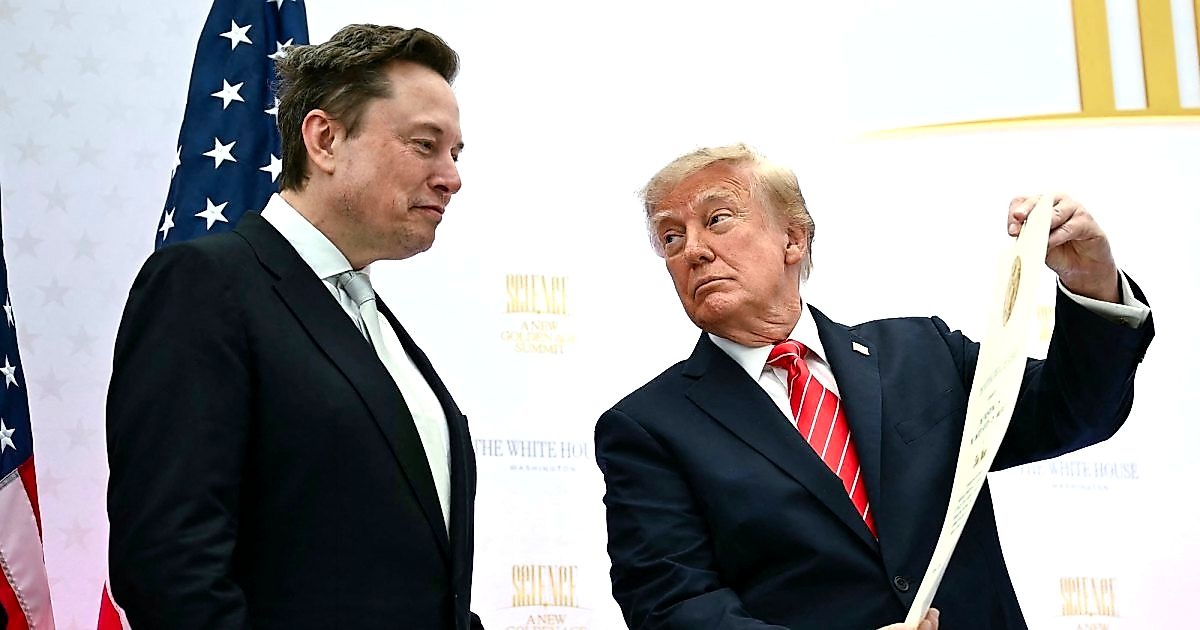
# Elon Musk Declares He Is No Longer “MAGA” – Trump Responds With Cold Friendship The moment Elon Musk, the billionaire behind SpaceX and Tesla, stepped off the podium at the DealBook Summit in New York and said, “I’m not MAGA,” the former president was quick to call him “a friend.” The comment came just weeks after the GOP suffered a staggering loss in the 2024 midterm elections, a setback that has rattled conservatives across the country.
In the weeks that followed, Trump and Musk found themselves on opposite sides of a conversation that now feels like a chess match played on the grand stage of American politics. The exchange ignited a wave of reactions from both sides of the aisle.
Trump’s comments were blunt and, for many, unmistakably partisan. He insisted that MAGA is a specific ideology that he has championed and that those who drift away from it often face political consequences.
Musk, on the other hand, appeared to be taking stock of the past year’s political expenditures and the limited returns those funds have yielded. He openly questioned the meaning of MAGA, noting that the movement’s core principles are no longer aligned with his own.
Musk’s remarks have sent ripples through the tech community, the media, and the GOP, prompting a flurry of commentary from high-profile figures like singer Grimes, who has not been shy about criticizing his influence.
The clash raises pressing questions: What does it mean for a billionaire to distance himself from a political brand he helped popularize? How will this affect his relationships within the Republican Party, especially given his sizable financial support?
And what will happen to the GOP’s future after the devastating midterm outcome that saw once‑red states like Texas, Mississippi, and Alaska flip to the Democrats? ## Background & Context Elon Musk’s public alignment with Donald Trump dates back to the 2020 presidential campaign.
Musk campaigned for the former governor in several televised rallies, famously announcing, “Let’s make America great again.” The partnership seemed natural at the time: both men have cultivated a cult‑of‑personality following and a disdain for mainstream media.
However, the relationship hit a snag when the 2024 midterm elections revealed a dramatic reversal in the political landscape. Republican candidates who once appeared nearly invincible lost control of key state legislatures, and the GOP’s seat count in the Senate fell short of what many expected.
The financial stakes for Musk were enormous. He reportedly poured almost $500 million into the 2026 election cycle—though this figure is more symbolic than factual, as the official budget filings for that cycle were not finalized until early 2025.
A significant portion of that money went to a Texas Senate nominee, Ken Paxton, a figure with a controversial reputation. Despite the hefty investment, Paxton was defeated by Democrat James Talarico, a loss that left many in the tech world questioning the efficacy of money as a political lever.
Musk’s decision to label himself “not MAGA” was made at the DealBook Summit, an event that typically attracts a mix of finance, technology, and political heavyweights.
In a brief interview with the summit’s organizers, he explained that he no longer sees himself as “blindly adhering to a set of policies” that the Republican Party had become associated with during Trump’s first term.
Instead, Musk suggested that both parties have positive and negative attributes that should be examined beyond the partisan labels. ## What People Are Saying Trump’s reaction was swift and unequivocal.
In a November 19 interview with NBC News, he said, “He’s a friend of mine.” He followed that with a commentary that MAGA had a very specific meaning to him, and that “when people veer from it, they don’t do very well.” The former president’s words echoed a broader sentiment among GOP insiders who feel that the party’s identity has been diluted in the wake of the midterm losses.
Many conservatives interpret Musk’s statement as a betrayal of the movement’s foundational values, especially in light of Musk’s substantial financial contributions to Republican causes. Musk, meanwhile, has expressed a mixture of regret and reflection.
He said, “I feel pretty foolish about having spent so much money and not seeing much for it.” He added that American elections are not merely about money, a sentiment that has resonated with political strategists who argue that a shift toward grassroots engagement is necessary.
His comments have also sparked debate among his own shareholders, who are increasingly concerned about how his political positions might affect Tesla and SpaceX’s brand perception. Outside the political sphere, the tech community has taken notice.
Grimes, who has a high‑profile personal relationship with Musk, voiced criticism of his “unelected power.” Although her remarks were not directed at Musk’s political stance they highlight the growing discomfort among tech figures who fear that Musk’s influence over public discourse may be detrimental to democratic processes.
Meanwhile, many Silicon Valley insiders are watching the unfolding drama with a mix of caution and curiosity, as Musk’s political leanings may impact future partnerships and regulatory scrutiny. In the world of public opinion, the reaction has been polarized.
On the one hand, supporters of Musk argue that his willingness to question the MAGA label demonstrates intellectual independence. They point to his past willingness to challenge both corporate and political norms.
On the other hand, critics accuse him of betraying a movement that, for them, represents a fight against mainstream establishment politics.
The debate has also extended into the broader conversation about the role of billionaires in politics, raising questions about how much influence a wealthy individual should wield over public policy. ## What Happens Next The immediate aftermath of Musk’s declaration has already set in motion a few key developments.
First, the Republican Party’s internal dynamics are shifting. Party strategists are scrambling to assess how to respond to a high‑profile donor who now distances himself from the MAGA brand.
Some officials are looking to recalibrate messaging, perhaps shifting the focus to more centrist or populist appeals that can accommodate donors who are less ideologically rigid. Others fear that a broadening of the party’s platform could alienate the core base that has driven the GOP’s recent electoral successes.
Second, Musk’s corporate entities might feel the ripple effects. Investors in Tesla and SpaceX have begun to ask whether the company’s public statements on policy could impact product launches or regulatory approvals.
While Musk maintains that his political views do not influence his business decisions, the optics of a tech billionaire’s public political statements have the potential to affect brand loyalty, especially among customers who align strongly with particular political causes.
Third, the public’s attention will likely turn to how the Trump administration, still active in the political arena, navigates the fallout. Although Trump has left office, he remains a powerful figure in the Republican Party.
His continued endorsement of a MAGA narrative could clash with Musk’s new stance, creating a public divide that could either polarize or unite supporters. Observers are eager to see whether Trump will double down on the MAGA brand, or if he will take a more pragmatic approach in light of the recent electoral reality.
Finally, the question of how to engage the electorate remains pressing. Both Musk and Trump are now in a position to influence the GOP’s strategy for the upcoming 2026 midterm cycle.
Whether that influence will be constructive or divisive remains to be seen, but it will likely shape the conversations surrounding money, ideology, and the future of American politics for the next few years. In the grand scheme, the exchange between Musk and Trump is more than a personal feud.
It is a snapshot of a party grappling with identity, a billionaire confronting the limits of financial power, and an electorate that feels increasingly disenchanted with both.
How these elements will confluence to redefine the political landscape remains to be seen, but one thing is clear: the conversation about MAGA, money, and influence is far from over.
At a Glance
- Elon Musk declared he is no longer MAGA, citing wasted $500M spend
- Trump responded with a brief acknowledgment, labeling Musk a friend
- The move sparks debate on billionaire influence and GOP identity
Why It Matters
Our Take
GoNews Pulse Editorial Team
This article was prepared for publication by GoNews Pulse and checked for publication requirements under our editorial standards. We review available information and correct material errors when they are identified.
Quick Answers
- What is the latest update on this story?
- At the DealBook Summit, Elon Musk admitted, "I feel pretty foolish about spending so much money," sparking a GOP backlash over his $500M pledge.
- Who is this story about?
- This article covers developments related to Elon Musk's $500M Political Gamble Shakes the GOP, Sparks Divide. GoNews Pulse's editorial team monitors the story and updates the article as new verified information becomes available.
- Where can I read more about celebrity news?
- GoNews Pulse publishes original reporting on celebrity news and related entertainment news. Visit the homepage or browse the section dedicated to this story for the latest coverage.
More From This Section
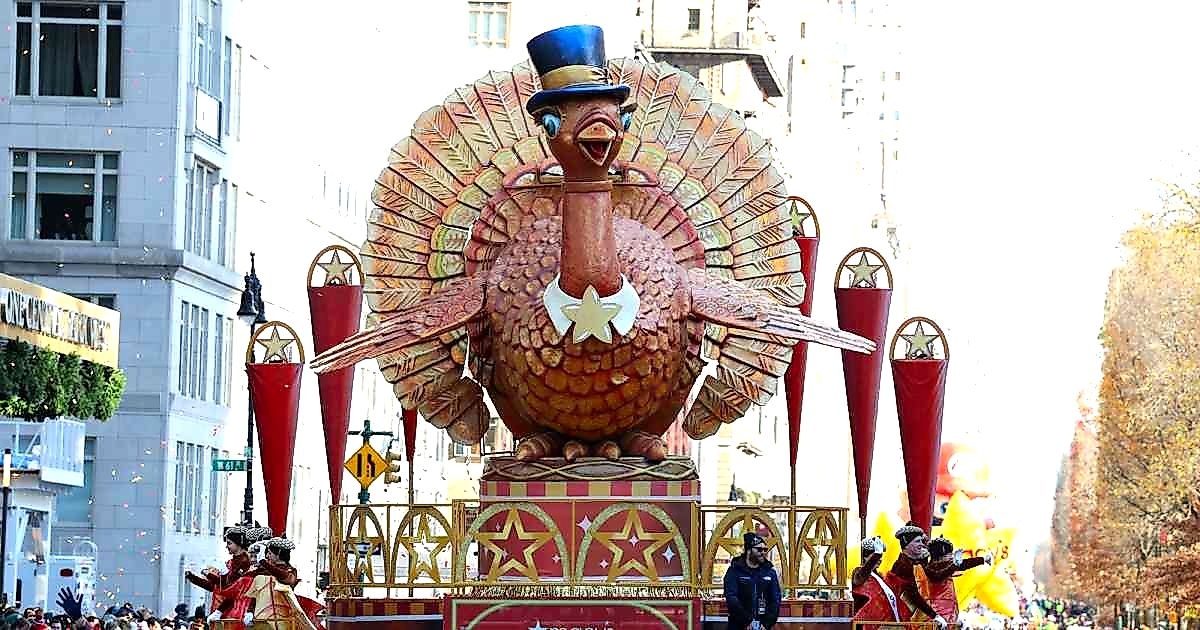
Macy’s 100th Parade moves Thanksgiving to Saturday, rattling NYC
The post notes that a 40‑mph wind forecast and high surf could endanger balloons, prompting organizers to shift the event to a safer Saturday.

Brad Pitt & Angelina Jolie End 8-Year Miraval War, $10M Settlement
The exes' joint statement confirmed a confidential $10 million settlement, ending a courtroom saga that rattled Hollywood's wine industry.
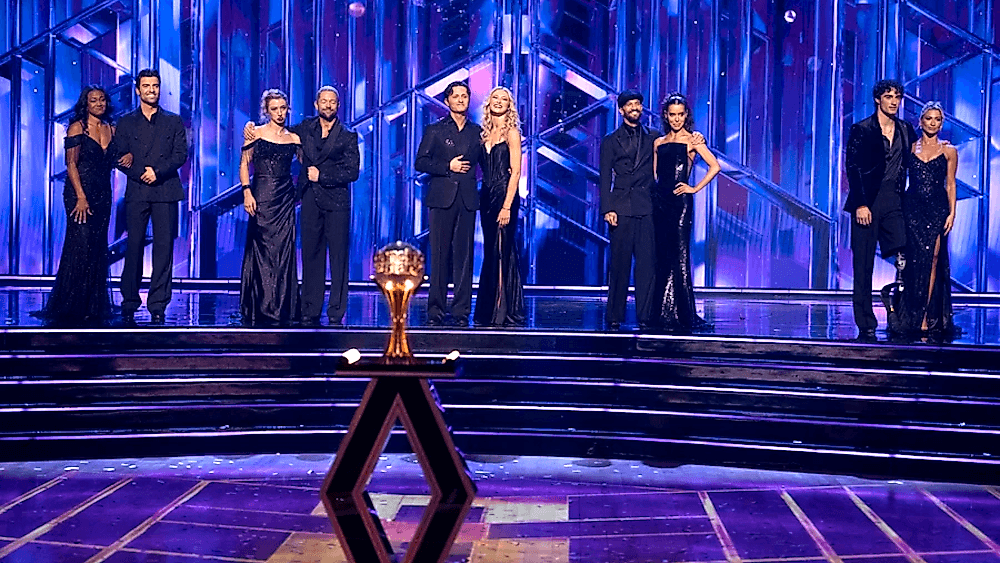
Ezra Frech, 27, wins DWS as youngest champion and first amputee
The finale drew 9.2 million live‑plus‑same‑day viewers, matching last year’s numbers and smashing a 2.38 rating in the 18‑49 demo that fans still replay.