
Elizabeth Holmes sells prison time on X for $1/month, 90 followers
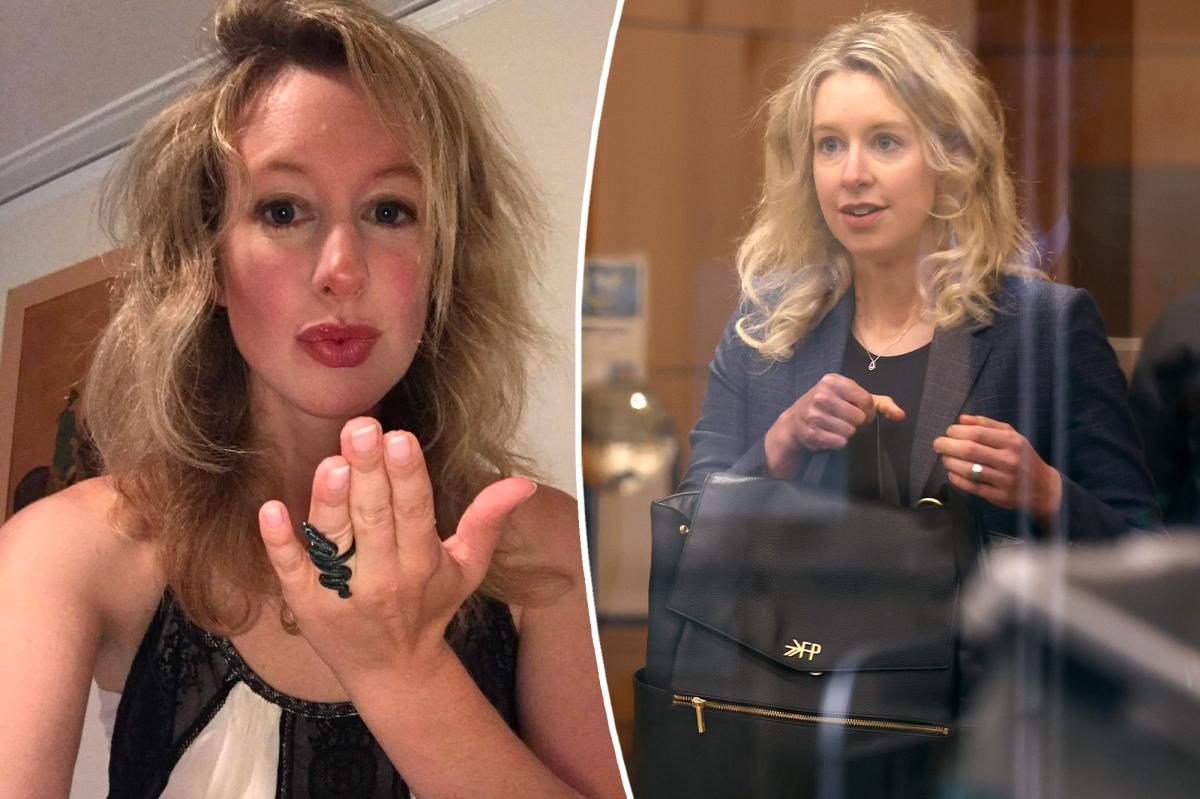
Elizabeth Holmes, the former Theranos founder, has begun monetizing her X account while serving a federal prison sentence that ends in February 2030.
The 42‑year‑old has been housed at Federal Prison Camp Bryan in Texas since May 2023, after being sentenced to 135 months and a three‑year supervised release in November 2022. Her new online venture charges $1 a month for select posts, drawing under 90 subscribers as of the latest data.
Since late last year, Holmes’s verified X page has turned nearly two dozen uploads into paid content. The account, reportedly run in part by her longtime partner Billy Evans, offers exclusive posts to paying subscribers. At the time of this report, the subscription list was just shy of 90 active members.
A Bureau of Prisons spokesperson explained that an inmate “may not be employed,” and that “there are no policies authorizing the incarcerated population to access, view or post on social media while in custody; therefore, the opportunity to earn money .” The rep also clarified that Holmes cannot personally be the user behind the posts, noting that her bio states “Mostly my words, posted by others.”
---
## Background & Context
In June 2018, Holmes was indicted on nine counts of wire fraud and two counts of conspiracy to commit wire fraud after allegedly orchestrating schemes that defrauded investors, doctors and patients through Theranos. A superseding indictment in July 2020 added an additional wire‑fraud count.
After a months‑long trial, a jury convicted her of three wire‑fraud counts and one conspiracy count in January 2022. In November, the judge sentenced her to 135 months in federal prison, ordered her to pay more than $450 million in restitution, and imposed a three‑year supervised release period.
Holmes’s sentence carries a restitution obligation that she is expected to satisfy with any earnings from work performed while incarcerated. She has been living at the low‑security camp since May 2023, where inmates can receive monitored phone calls, emails, written mail and in‑person visits.
These channels allow prisoners to relay information to friends or family, who may then publish it online on their behalf.
---
## Current Monetization Activities
The subscription posts on Holmes’s X account cover a range of themes—from maintaining her innocence to asserting that the “narrative” surrounding her failed blood‑testing startup will soon change. The 22 active posts include messages about a recent sentence reduction and gratitude toward supporters.
One post, uploaded after a judge’s March decision to cut her sentence by twelve months, read: “We have been forged in the fire over the 1,030+ days I’ve been held here…our fight to prove my innocence has never been more intense than it is now.”
Despite the limited subscriber base, the account generates revenue that is split between X and its creator.
Page Six reviewed documents from the Department of Justice’s Federal Bureau of Prisons and found that this monetization does not violate any BOP policies, as inmates are not authorized to post or earn money through social media directly from custody.
The account’s management remains opaque. Billy Evans, who shares Holmes’s children—son William, 5, and daughter Invicta, 3—has not publicly addressed his role in the X account operations, nor has he responded to requests for comment.
---
## Legal and Regulatory Implications
The BOP’s Program Statement 1480.06 explicitly states that an inmate “may not be employed.” A representative emphasized that inmates cannot access or use social media while in custody, which means the opportunity to earn money through such platforms is effectively nonexistent.
However, the rep clarified that inmates can still pass along information to be posted online by external parties .
Because Holmes’s X content is attributed to “her” yet actually posted by others, the account operates outside the prison’s direct control. This arrangement aligns with BOP regulations that prohibit inmate employment and social‑media activity while incarcerated.
The rep made it clear that no policy authorizes earnings from such posts, and therefore Holmes’s monetization does not constitute a violation of federal prison rules.
Holmes’s 2025 request to President Trump to commute her sentence remains “pending,” . In March, a judge reduced her sentence by one year under a retroactive sentencing‑guideline amendment applicable to qualifying first‑time offenders.
The change was celebrated by Holmes through a subscription post that praised the reduction and urged supporters to keep fighting for her innocence.
---
In the days before her incarceration, Holmes allowed a documentary crew to film her home, resulting in the upcoming release of “You Can See Everything.” While the film has yet to hit theaters, it underscores Holmes’s ongoing public engagement despite her confinement.
As she approaches February 2030, she may return to the public eye with a modest, but legally compliant, income stream derived from her social‑media presence while still serving her federal sentence.
Why It Matters
Our Take
GoNews Pulse Editorial Team
This article was prepared for publication by GoNews Pulse and checked for publication requirements under our editorial standards. We review available information and correct material errors when they are identified.
Quick Answers
- What is the latest update on this story?
- She posts a subscription offer on X, charging $1 a month to unlock her daily prison updates, yet only 90 people pay.
- Who is this story about?
- This article covers developments related to Elizabeth Holmes sells prison time on X for $1/month, 90 followers. GoNews Pulse's editorial team monitors the story and updates the article as new verified information becomes available.
- Where can I read more about Elizabeth Holmes?
- GoNews Pulse publishes original reporting on Elizabeth Holmes and related entertainment news. Visit the homepage or browse the section dedicated to this story for the latest coverage.
Related topics
- #Elizabeth Holmes
- #Theranos
- #inmate monetization
More From This Section

Jon Gosselin's 22‑Year‑Old Son Exposes Abuse, Father Shouts Support
Jon Gosselin declares that his son’s 22‑year‑old memoir exposes alleged institutionalization and a hidden ‘small holding’ cell, sparking a national debate.

Mike Colter's Valley Firm AGI Bo Revealed at 2:00 a.m. Shocks Fans
Rob McClure's portrayal of Bo forces the firm to confront a real‑world AGI asking for legal guardrails, sparking a tense ethical debate.

Meredith Grey's bed proposal to Nick on surgery table stuns fans
Meredith Grey slipped a ring into Nick's hand while he lay on the operating table, a move that stunned fans amid the bridge collapse.