
Elizabeth Holmes banned from contacting 14 investors she duped
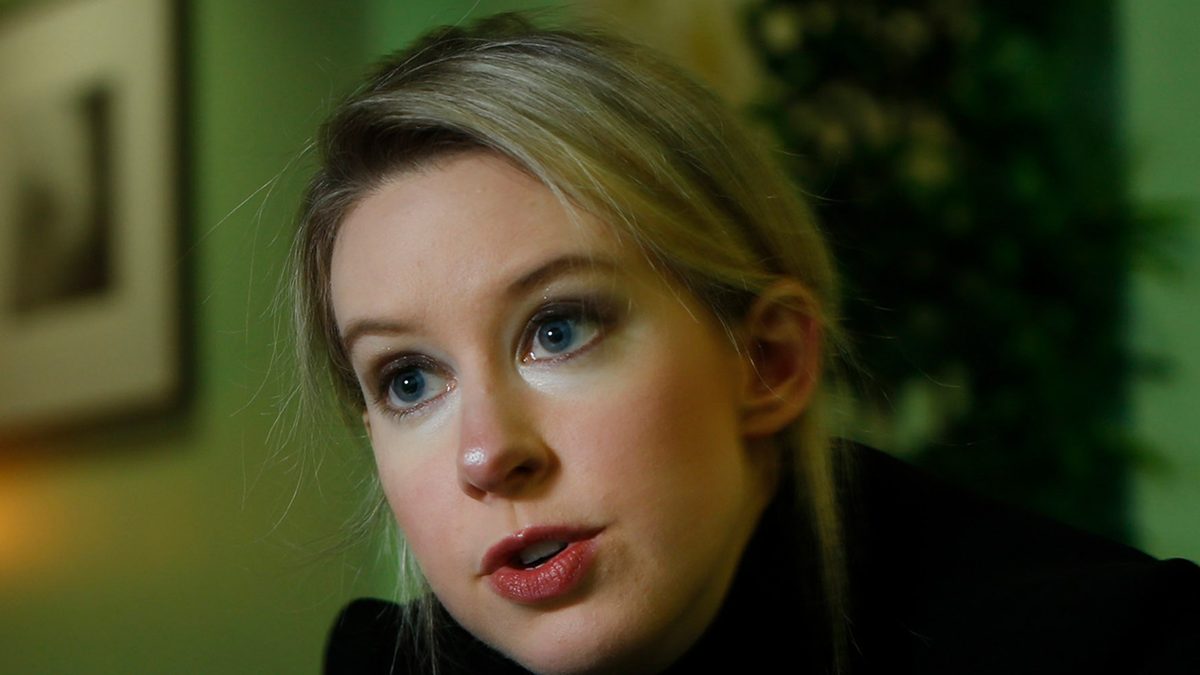
Elizabeth Holmes will be prohibited from reaching out to the 14 investors she defrauded of more than $452 million once she completes her federal prison term.
Court documents obtained by *reveal* that, under the conditions of her supervised release, she must have absolutely no contact with those victims unless a probation officer specifically directs otherwise.
The former Theranos CEO’s restrictions extend beyond communication. She is required to make restitution payments to each investor—$40 million to Walgreens, more than $14 million to Safeway, and the remainder divided among the remaining twelve victims—and must submit her financial records—including tax returns—to her probation officer.
Additional safeguards mandate mental‑health treatment, DNA collection, and authorized searches of her residence, office, vehicle, or other property.
## Background & Context
### Early Days and Promise
In 2003, Elizabeth Holmes founded Theranos while still a sophomore at Stanford University. With a $100 million seed round in 2007, the company positioned itself as a revolutionary blood‑testing platform that could perform hundreds of tests from a single drop of blood.
The narrative was compelling: faster results, cheaper costs, and the potential to democratize medical diagnostics.
### Rise of the Myth
The hype quickly attracted celebrity investors, media attention, and partnerships with major retailers such as Walgreens. By 2015, Theranos had raised over $700 million and was valued at $9 billion.
The company claimed to be on the brink of a healthcare breakthrough, even though internal audits revealed that its technology could not deliver on those promises.
In May 2023, Holmes was incarcerated at the Federal Prison Camp in Bryan, Texas after a trial that found her guilty of three counts of wire fraud and one count of conspiracy to commit wire fraud. The charges stemmed from a scheme that convinced investors to pour money into Theranos, a company that promised to revolutionize blood testing.
She was originally sentenced to more than eleven years in prison, but a judge reduced the sentence by one year in March.
The fraud involved luring investors with exaggerated claims of breakthrough technology, securing over $452 million in capital. Those funds were used to sustain the company’s operations and were later returned to the public as restitution under her supervised release conditions.
The court documents specify that Holmes must make payments to individual victims, illustrating the scale of the financial harm caused.
## Supervised Release Conditions
, Holmes cannot contact her investors unless directed by a probation officer. She must also provide full access to her financial records and allow credit checks to ensure compliance with her release terms. The conditions include participation in a mental‑health treatment program and the collection of her DNA for identification purposes.
Her probation officer is authorized to conduct searches of Holmes’s residence, office, vehicle, or any other property she owns. These measures aim to prevent further deception and to monitor her adherence to the legal requirements set forth after her conviction.
The documents stress that any violation could trigger additional legal consequences.
## Transition to Halfway House and Remaining Sentence
Holmes will be transferred to a halfway house next year after finishing her stay at FPC Bryan. Victims were notified of the move to the Austin Transitional Center in Del Valle on August 23, 2027. The Bureau of Prisons lists February 22, 2030 as Holmes’s official release date.
She will spend several years at the halfway house before completing her sentence. The release schedule reflects the remaining portion of her original sentence after the judge’s reduction. The conditions set for her supervised release remain in effect until that date, ensuring continued oversight and restitution to the investor victims.
## Fan Reaction
For a time, Holmes was celebrated as a modern-day Steve Jobs. Her story resonated on social media: millions followed her rise on LinkedIn, tweeted her speeches, and praised her vision.
When the first whistleblower allegations surfaced in 2015, many fans were stunned; some posted “I never expected this” while others rallied around her saying, “A woman is breaking barriers.” After the trial, reaction shifted.
Former followers expressed disappointment or disbelief in comments like, “She was a symbol of female entrepreneurship—how could she do this?” Meanwhile, some supporters called for a more nuanced view, noting that the legal process should decide the outcome.
The fan reaction illustrates how quickly public sentiment can swing when a high‑profile figure’s credibility is challenged. Holmes’s case remains a touchstone for discussions about the role of celebrity in corporate governance.
## Industry Impact
The Theranos saga had far-reaching implications for the biotech startup ecosystem. Investors, who had previously been less stringent about due diligence in favor of “disruptive” narratives, began to adopt more rigorous verification processes.
The collapse led to calls for greater transparency from venture capital funds and increased scrutiny of product claims by regulatory bodies such as the FDA.
Academic institutions also responded. Stanford, for instance, revised its entrepreneurship curriculum to include case studies on ethical leadership and the importance of scientific validation.
The incident prompted a broader industry conversation about the need for independent peer review before clinical deployment, especially for technologies that promise rapid, inexpensive diagnostics.
## Conclusion
In sum, Elizabeth Holmes’s return to society will be tightly monitored: she cannot communicate with her former investors, must fulfill large restitution payments, and is subject to ongoing probationary controls.
These steps underscore the legal system’s effort to hold her accountable for the extensive fraud that impacted more than $452 million in investor capital. The case has reshaped expectations for startup disclosure, investor diligence, and the ethical responsibilities of founders in high‑stakes industries.
Why It Matters
Our Take
GoNews Pulse Editorial Team
This article was prepared for publication by GoNews Pulse and checked for publication requirements under our editorial standards. We review available information and correct material errors when they are identified.
Quick Answers
- What is the latest update on this story?
- She must pay restitution and cannot reach the 14 investors she duped—don't miss why this ban could uncover shocking details.
- Who is this story about?
- This article covers developments related to Elizabeth Holmes banned from contacting 14 investors she duped. GoNews Pulse's editorial team monitors the story and updates the article as new verified information becomes available.
- Where can I read more about Elizabeth Holmes?
- GoNews Pulse publishes original reporting on Elizabeth Holmes and related entertainment news. Visit the homepage or browse the section dedicated to this story for the latest coverage.
Related topics
- #Elizabeth Holmes
- #Theranos
- #Walgreens
- #Investor restitution
More From This Section

Jon Gosselin's 22‑Year‑Old Son Exposes Abuse, Father Shouts Support
Jon Gosselin declares that his son’s 22‑year‑old memoir exposes alleged institutionalization and a hidden ‘small holding’ cell, sparking a national debate.

Mike Colter's Valley Firm AGI Bo Revealed at 2:00 a.m. Shocks Fans
Rob McClure's portrayal of Bo forces the firm to confront a real‑world AGI asking for legal guardrails, sparking a tense ethical debate.

Meredith Grey's bed proposal to Nick on surgery table stuns fans
Meredith Grey slipped a ring into Nick's hand while he lay on the operating table, a move that stunned fans amid the bridge collapse.