
Elizabeth Holmes' 34-Day Filming Inside Home Reveals Hidden Truths
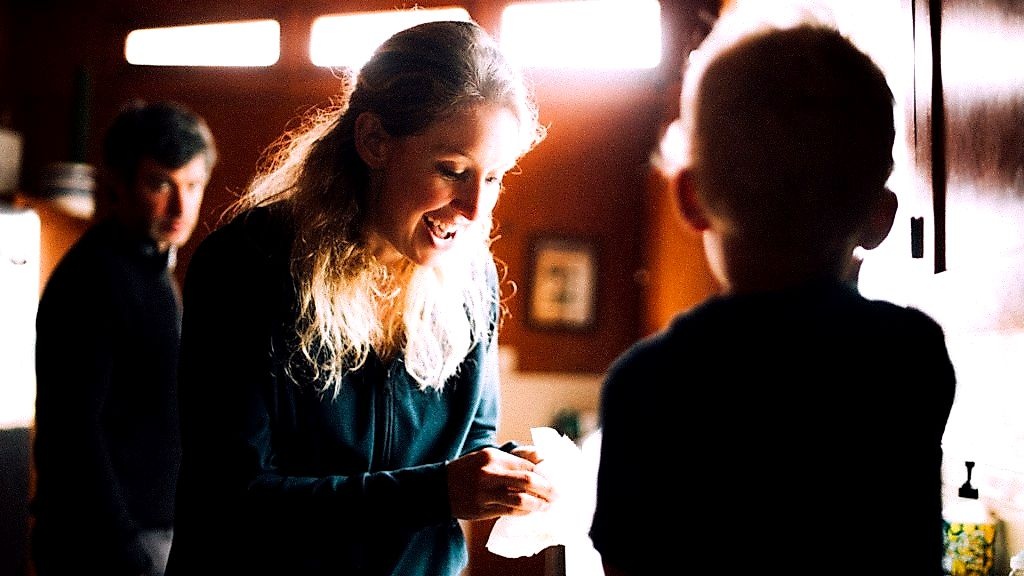
# Elizabeth Holmes' Stunning Documentary Debuts at NY Film Festival The latest entry to the New York Film Festival’s Spotlight section is a low‑key, high‑impact feature that turns the story of the Theranos founder on its head.
Directed by Nathan Fielder and Lance Oppenheim, the film—titled *You Can See Everything*—has just opened its curtains in the city where the world’s most watched movies still set the bar for what cinema can accomplish.
The work, a four‑year collaboration filmed from the inside of a home that once hosted a woman who would become a global cautionary tale, is poised to be the event of the festival. What makes this documentary truly striking is how it blurs the line between confession and performance.
The filmmakers gained unprecedented access by following Holmes and her partner for 34 days before she was locked away by the courts. What emerges is not a clean, objective chronicle of fraud; instead, it is a portrait of a relationship that refuses to be reduced to a verdict.
The directors interweave personal footage, interviews, and moments of raw humor, creating a self‑reflective experience that makes viewers question whether the story is being told or staged.
In a genre that often leans toward definitive storytelling, *You Can See Everything* leaves its audience navigating a maze of truth, doubt, and a relentless search for meaning. The stakes are high.
Holmes, once hailed as a trailblazing entrepreneur, now faces a criminal conviction that has reshaped public discourse about startup culture, corporate ethics, and the role of media scrutiny.
By bringing this narrative to the festival, the film invites audiences to revisit a story that many still think they understand, only to find themselves standing before a fresh, unsettling perspective that forces a reevaluation of who the real villain, the victim, and the victimizer are. ## Background & Context The Theranos saga began when a company promised to turn a finger‑print‑sized sample of blood into hundreds of tests, dazzling venture capitalists, boardrooms, and the public.
Holmes became a symbol of Silicon Valley ambition. Holmes was convicted of fraud.
In the years that followed, the story of Theranos has been told through films, series, and investigative reports, each adding its own lens. Some dramatizations have amplified the sense of wonder and hubris; others have painted a bleak portrait of corporate malfeasance.
Yet none have matched the unique intimacy that Fielder and Oppenheim have captured.
By living within the household and documenting day‑to‑day moments—battles over personal space, private confessions, the mundane rituals of a household on the brink of collapse—the directors created a document that is less about the macro narrative of fraud and more about the microcosm of human emotion, denial, and hope.
The film’s production was a covert affair. Over four years, the team recorded conversations, shared meals, and candid moments, always with the knowledge of the participants.
The result is a work that feels as though it were captured in a single living room, a place where the line between filmmaker and subject dissolves. This method sets *You Can See Everything* apart from traditional documentaries that rely on archival footage and expert commentary.
Instead, it invites viewers to experience the story through the intimate lens of those who lived it. ## What People Are Saying Early viewers at the festival have described the film as unsettling and oddly humorous.
The juxtaposition of Holmes’s calm demeanor against her partner’s nervous energy creates a dissonance that keeps audiences on edge.
Critics have noted how the documentary’s self‑referential approach—its awareness that it is a story being told—makes the experience feel almost meta, a cinematic reflection on the very act of documenting a scandal. The film’s comedic moments, woven seamlessly into the more serious material, are particularly striking.
Fielder and Oppenheim have a knack for finding levity in situations that many would consider tragic, and the result is a narrative that refuses to be pigeonholed.
Reviewers have also praised the film’s refusal to offer easy answers; instead, it presents a complex tableau that encourages viewers to confront the ambiguities of truth, memory, and accountability. Audience members have expressed a sense of discomfort as the story unspools.
The directors’ choice to film without overtly editorializing allows viewers to draw their own conclusions, a strategy that has sparked conversation in festival panels.
In one discussion, a panelist highlighted how the film's structure—alternating between candid conversations and moments of silence—mirrors the oscillation between denial and confession that has defined the Theranos narrative. ## What Happens Next Following its premiere, the documentary is slated for a limited theatrical release across major U.S. cities, with plans for distribution through streaming platforms in the coming months.
Industry insiders anticipate that the film will generate renewed interest in the Theranos case, prompting new investigations and possibly influencing ongoing legal discussions.
Given the polarizing nature of Holmes’s story, the film’s wider release may spark renewed debate over regulatory oversight, the ethics of startup culture, and the role of media in shaping public perception.
The filmmakers have indicated that they are open to future collaborations that continue to explore the boundaries of documentary storytelling. In interviews, they have spoken about the potential to document other high‑profile scandals, using the same blend of intimacy and self‑reflection that has defined this project.
Their ambition seems clear: to challenge audiences not just to watch a story, but to question the very frameworks we use to understand truth.
For audiences who have followed the Theranos story from its early days to the courtroom, the film offers a new lens—one that forces them to reexamine the narrative that has dominated headlines for years.
It invites viewers to confront the uncomfortable truth that, in the quest for meaning, there may be no clear villain or hero, only a complex ambition, fear, and human frailty. In the crowded landscape of biographical documentaries, *You Can See Everything* stands out for its daring approach to storytelling.
Its arrival at the New York Film Festival signals a shift toward more experimental, introspective cinema, and sets the stage for a conversation that will likely ripple across both film circles and the broader cultural conversation about truth in the age of information.
At a Glance
- Elizabeth Holmes and partner filmed for 34 days inside their home before court sequestration.
- The documentary blurs confession and performance, blending raw humor with tense confession.
- Festival premiere sparks renewed debate over startup ethics, media scrutiny, and truth in storytelling.
Why It Matters
Our Take
GoNews Pulse Editorial Team
This article was prepared for publication by GoNews Pulse and checked for publication requirements under our editorial standards. We review available information and correct material errors when they are identified.
Quick Answers
- What is the latest update on this story?
- The film shows Holmes laughing inside the house while her partner confesses, blurring confession and performance in a raw, 34‑day documentary this week.
- Who is this story about?
- This article covers developments related to Elizabeth Holmes' 34-Day Filming Inside Home Reveals Hidden Truths. GoNews Pulse's editorial team monitors the story and updates the article as new verified information becomes available.
- Where can I read more about celebrity news?
- GoNews Pulse publishes original reporting on celebrity news and related entertainment news. Visit the homepage or browse the section dedicated to this story for the latest coverage.
More From This Section

Jon Gosselin's 22‑Year‑Old Son Exposes Abuse, Father Shouts Support
Jon Gosselin declares that his son’s 22‑year‑old memoir exposes alleged institutionalization and a hidden ‘small holding’ cell, sparking a national debate.

Mike Colter's Valley Firm AGI Bo Revealed at 2:00 a.m. Shocks Fans
Rob McClure's portrayal of Bo forces the firm to confront a real‑world AGI asking for legal guardrails, sparking a tense ethical debate.

Meredith Grey's bed proposal to Nick on surgery table stuns fans
Meredith Grey slipped a ring into Nick's hand while he lay on the operating table, a move that stunned fans amid the bridge collapse.