
Billy Bragg slams Ed Sheeran, calls for tour shutdown after backlash
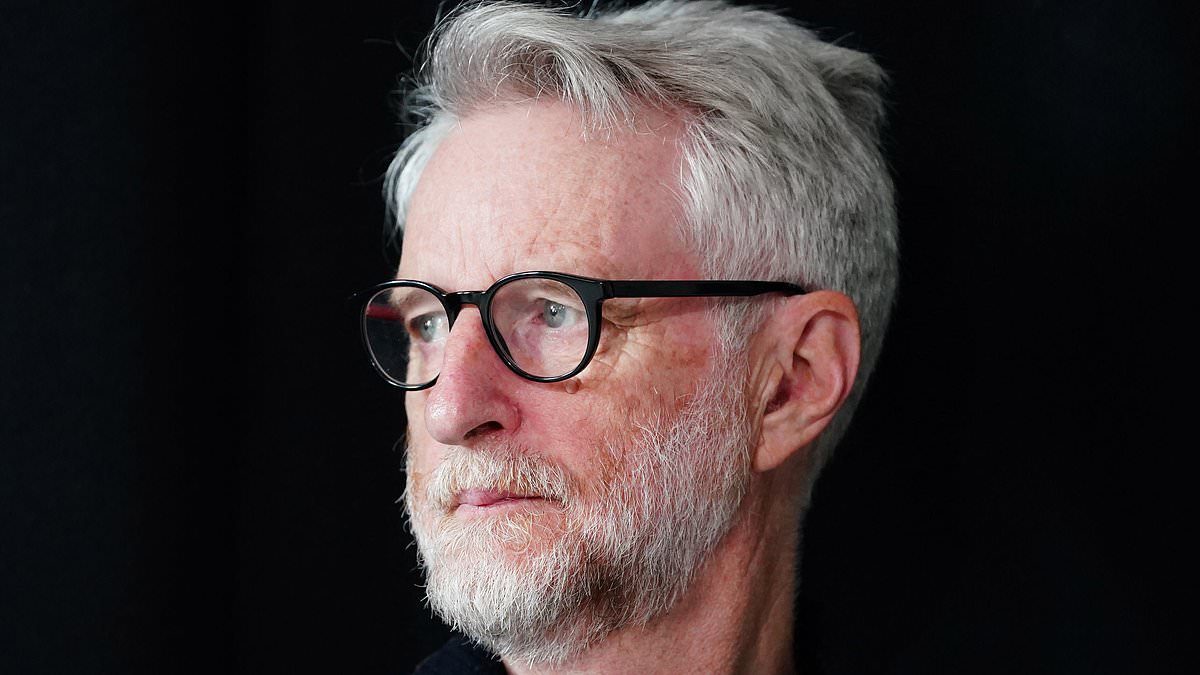
**Ed Sheeran’s Loop Tour Faces Chaos After Macklemore Exit and Support Acts Quit**
On Monday, Ed Sheeran announced that his opening act Macklemore would be removed from the remainder of his Loop tour, a decision that triggered several other artists to withdraw.
The move came after Macklemore spoke publicly in support of Palestine during performances at MetLife Stadium in New Jersey on September 4 and 5, prompting venue owners to demand his removal.
Following the announcement, left‑wing musician Billy Bragg told BBC Radio 4’s *World at One* that Sheeran should cancel the tour and challenge billionaire stadium owners for their control over stage content.
Bragg said, “Ed Sheeran should cancel his tour and say that billionaire owners of football stadiums in the United States of America shouldn’t be allowed to say what people can and can’t say on stage.”
The fallout has already cost Sheeran over 200,000 Instagram followers in 24 hours, dropping his count from 47.6 million to 47.3 million. Fans have divided between defending the artist and demanding accountability, while the tour’s future remains uncertain.
## Background & Context
Ed Sheeran’s Loop tour had been planned to run through the end of the year, with Macklemore slated as an opener for eight of the remaining ten U.S. dates.
The rapper’s speech about Palestine drew backlash from venue owners, including NFL team chief executive Robert Kraft, who allegedly “rallied other stadium owners and issuing an ultimatum” to Sheeran: either cancel the tour or drop Macklemore.
Sheeran released a statement saying Macklemore’s removal was a promoter’s decision, not his own. He also said he had spoken with venues all week and had tried to build a bridge, including conversations with Kraft, promoters, and activists on both sides.
The artist clarified that he would never personally take a public political stance, emphasizing that his concerts aim to bring diverse audiences together.
When Macklemore was dropped, several support acts announced they would not continue with the tour. Finneas, Aaron Rowe, Danish band Lukas Graham, Irish folk band Beoga, and close friend Myles Smith all released statements expressing solidarity with Palestine and rejecting the silencing of political speech.
Each highlighted that their decision was driven by principles rather than loyalty to Sheeran.
## The Roots of the Conflict
The tension between performers and stadium owners is not new. In the past decade, a handful of high‑profile incidents—ranging from Kendrick Lamar’s “Alright” chants to Beyoncé’s political statements—have forced promoters to negotiate the fine line between artistic freedom and commercial risk.
Sheeran’s situation echoes these earlier clashes, but this time the stakes are amplified by the global reach of social media and the rapid mobilization of fan communities.
Macklemore, known for his outspoken activism in hip‑hop, has long championed social justice causes. His brief speech at MetLife—“Free Palestine”—was a call to action rather than a political rally.
Yet the language, steeped in decades of geopolitical controversy, triggered an immediate response from NFL owners who feared backlash from sponsors and advertisers. The urgency of the situation left Sheeran’s team scrambling to find a solution that would preserve the tour’s integrity while satisfying venue demands.
## Fan Reactions
The fan response has been as varied as the artist community. On Twitter, a thread of support for Macklemore ran hot with the hashtag #FreePalestine, while many users defended Sheeran, calling him a “good, decent man” and urging the tour to proceed regardless of political controversies.
Comments ranged from calls for boycotts to pleas for a more nuanced conversation about freedom of expression on stage.
On Instagram, fans organized “virtual rallies” where they posted artwork and chants that echoed Macklemore’s message. Meanwhile, some users criticized Sheeran’s decision to keep the tour running, arguing that it would dilute the urgency of the political statement.
Others pointed out that canceling the tour could have a larger financial impact on musicians who rely on tour revenue for their livelihoods—a point highlighted by several artists in their statements.
## Industry Impact
The industry ripple effects are already being felt. Ticket sellers have reported a surge in refund requests, and some sponsors have indicated a willingness to reevaluate their partnership with Sheeran. The situation underscores the growing influence of social media activism on live‑event economics.
Record labels are also reassessing contract clauses related to “political content” that may limit artists’ ability to speak freely.
Promoters, meanwhile, face the challenge of balancing artist autonomy with venue safety protocols. In recent months, several stadiums have adopted stricter content guidelines, especially in markets where political tensions run high.
The Sheeran incident could set a precedent—forcing promoters to either enforce stricter pre‑performance reviews or create more robust contingency plans.
## The Broader Cultural Conversation
The debate over Macklemore’s removal also sparks a larger conversation about the role of music as a platform for activism.
Historically, artists have leveraged their visibility to draw attention to social injustices—from Bob Dylan’s protest songs to Beyoncé’s “Formation.” When corporate interests clash with artistic expression, the question becomes: who ultimately controls the narrative?
Billy Bragg’s comments illuminate this tension. He noted that “some people view the phrase ‘Free Palestine’ as antisemitic,” yet emphasized that criticism of Israeli government policies can occur without antisemitism. His remarks highlight how nuanced political discourse can be misinterpreted or oversimplified in the commercial arena.
## Potential Paths Forward
Several paths remain possible for the Loop tour:
1. **Complete Cancellation** – Sheeran could opt to cancel remaining dates, preserving artistic integrity but risking financial loss. 2. **Re‑branded Openers** – He may bring in alternative support acts that share his commitment to freedom of expression, though this would require rapid coordination. 3. **Negotiated Compromise** – A middle ground might involve limiting political speeches to pre‑concert announcements or restricting certain venues, thereby appeasing both fans and owners.
Whatever route is chosen, the underlying message will resonate: live music is increasingly becoming a battleground for ideological expression versus commercial safety.
## Conclusion
Ed Sheeran’s Loop tour now stands at a crossroads. The removal of Macklemore has catalyzed a chain reaction, with other artists stepping back in solidarity and fans splintering into camps of support and critique.
The incident serves as a stark reminder that the intersection of music, politics, and corporate interests is fraught with tension.
As the tour’s future hangs in the balance, the industry watches closely. The outcome will shape how promoters manage political content, how fans engage with artists on contentious issues, and how musicians navigate the fine line between advocacy and commercial viability.
In a world where every stage can become a platform for protest—or a battleground for corporate control—this unfolding drama may well define the next chapter in live music history.
Why It Matters
Our Take
GoNews Pulse Editorial Team
This article was prepared for publication by GoNews Pulse and checked for publication requirements under our editorial standards. We review available information and correct material errors when they are identified.
Quick Answers
- What is the latest update on this story?
- Sheeran removes Macklemore as opener, prompting fellow acts to quit the Loop tour, sparking outrage and a fiery call from Billy Bragg.
- Who is this story about?
- This article covers developments related to Billy Bragg slams Ed Sheeran, calls for tour shutdown after backlash. GoNews Pulse's editorial team monitors the story and updates the article as new verified information becomes available.
- Where can I read more about Ed Sheeran?
- GoNews Pulse publishes original reporting on Ed Sheeran and related entertainment news. Visit the homepage or browse the section dedicated to this story for the latest coverage.
Related topics
- #Ed Sheeran
- #Macklemore
More From This Section
Jeff Goldblum's lizard‑music voice role stuns fans with quirky adventure
The film’s 10 CGI lizards play a 3‑minute symphony that Jeff Goldblum calls 'surreal', sparking buzz before the trailer drops.
Tom Cruise's $245M 'Digger' flop shatters studio record
With just $8 million opening domestically and a 60% drop in its second week, 'Digger' hauls in a record $245 million loss that Hollywood hasn't seen.
Bryan Seaver’s $251,000 debt claim threatens Dollywood order
Seaver claims the $251,000 owed for Dollywood security services has cleared, but the park argues payments were incomplete, sparking a restraining order fight.