
Keffe D Drops the Bag, Sealing Tupac’s Murder Verdict
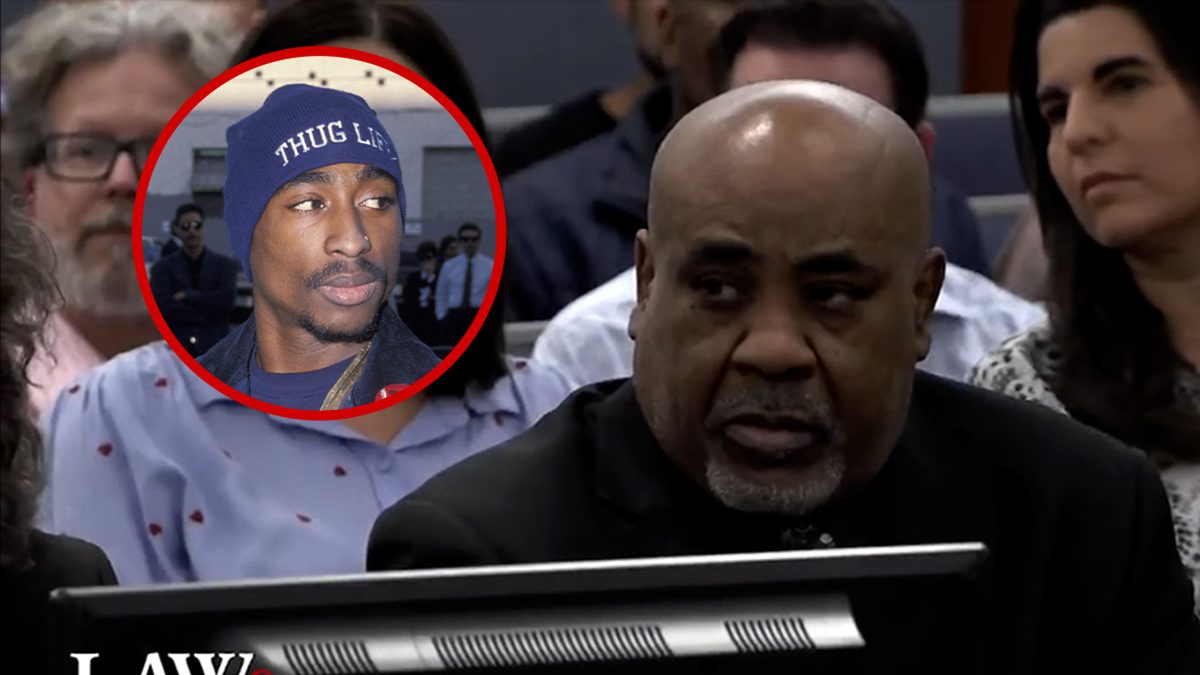
In a Las Vegas courtroom on Monday, Duane “Keffe Dshot callerBaby Lane” Anderson, opened fire from a second vehicle. Shakur was struck by multiple bullets and died at the scene.
The case quickly became shrouded in speculation—was it gang violence, an internal feud, or something more sinister?
Police records show that Tupac’s group had a confrontation with Davis’s nephew earlier that night. court documents, a physical altercation erupted on the Strip after Shakur’s entourage entered a casino where Anderson was staying. The tension escalated when Anderson allegedly tried to force a confrontation.
The shoot‑out that followed left Shakur dead and Anderson injured but alive. Prosecutors argued that Davis orchestrated the attack but did not claim he fired the fatal shots himself.
Instead, they said Davis was the “shot caller,” handing a weapon to Anderson or another passenger in the back seat. This strategy relied on testimony from police interviews, surveillance footage, and Davis’s own memoir statements.
During the trial, jurors heard testimony from roughly two dozen prosecution witnesses and only three defense witnesses. Davis did not testify for himself—a decision that left his side of the story largely unrepresented in court.
The evidence presented focused heavily on his admissions and the context of the night’s altercation.
## The Legacy of Tupac Shakur
Tupac Shakur was more than a rapper; he was an icon, a poet, and a social commentator who bridged the worlds of music, activism, and politics.
By 1996, he had released two chart‑topping albums—*All Eyez on Me* (1996) and *The Don Killuminati: The 7 Day Theory* (1996)—and was on the verge of becoming one of the most powerful voices in hip‑hop. His death sent shockwaves through the industry, prompting an outpouring of grief from fans worldwide.
Fans organized vigils, streamed tribute videos, and formed online forums to keep his memory alive. The tragedy also highlighted the precarious nature of celebrity security and the growing problem of violence in the music scene. Industry leaders responded by reevaluating artist safety protocols.
Record labels introduced stricter backstage security measures, and artists began collaborating more closely with law enforcement agencies. Tupac’s death prompted a broader conversation about gang affiliation among musicians and the responsibilities of record labels to monitor their artists’ associations.
The legacy of Shakur remains a touchstone for discussions on race, violence, and the role of art in social change.
## Legal Strategy and Evidence
The prosecution’s narrative was built around the legal definition of Under Nevada law, this offense requires that the defendant provide a weapon to another person in the context of a gang‑related crime. The evidence chain included:
1. **Davis’s 2008 interview**: In an interview with *The Source*, Davis admitted he had handed his nephew a gun and claimed Anderson fired the fatal shots. Prosecutors argued this admission was self‑incriminating and demonstrated intent to facilitate the shooting.
2. **Surveillance footage**: Footage from a hotel lobby camera captured Davis’s vehicle approaching the scene, placing him within proximity of the shoot‑out.
3. **Witness testimony**: Several witnesses, including a casino employee and a police officer, described seeing Davis’s vehicle stop near the SUV carrying Shakur and its entourage shortly before the gunfire erupted.
4. **Physical evidence**: Ballistic analysis linked one of Anderson’s firearms to a bullet that struck Shakur’s body, establishing that the weapon used was indeed in the possession of Anderson’s group.
Davis’s defense countered by labeling those admissions as “tall tales” and argued that his client had no direct role in the discharge of the weapon. The defense team highlighted the lack of eyewitnesses to Davis actually hand over a gun. Nonetheless, the jury found the prosecution’s narrative convincing enough for a guilty verdict.
The conviction marks the first successful legal finding connected to Tupac Shakur’s murder. It resolves a decades‑long quest for answers that had frustrated fans and investigators alike. The case also sets a precedent for how future gang‑related murder cases may be prosecuted in Nevada and beyond.
## Fan Reactions and Cultural Impact
The verdict was met with a mixture of relief, disbelief, and renewed grief among Tupac’s fanbase. Social media buzzed with tributes from fellow artists, such as Kendrick Lamar, Jay‑Z, and Beyoncé, who each shared their memories of Shakur and emphasized the importance of keeping his message alive.
Fans also criticized the music industry for not doing more to protect artists in dangerous environments. Online forums that had been active since 2001—where fans dissected every rumor and conspiracy theory—opened threads to discuss the implications of the verdict.
Many users expressed hope that this legal closure would bring peace to Shakur’s family and close a dark chapter in rap history. Others debated whether the conviction truly answered all the unanswered questions surrounding the murder, noting that other potential conspirators may still be uncharged.
The case has also influenced how future high‑profile murders are examined by the legal system. The use of as a charge set a template for prosecutors in similar scenarios, encouraging more aggressive investigations into gang affiliations and weapon procurement.
Music studios and management companies have since implemented internal vetting processes for artists’ associates.
## Aftermath and Next Steps
Davis faces a maximum sentence of life imprisonment under the first‑degree murder charge. He has filed an appeal, arguing procedural errors and questioning the admissibility of his own statements. If the appeal is denied, he will likely begin serving his sentence in a Nevada correctional facility.
The conviction also satisfies a key component of the unsolved case, but prosecutors are not precluding additional investigations into other potential conspirators. Law enforcement officials may still pursue charges against other individuals linked to the 1996 incident.
The case’s resolution will likely influence how future high‑profile murders are examined by the legal system. The judgment provides closure for many who have followed Tupac Shakur’s tragic death, offering a definitive answer after more than two decades of uncertainty.
As the music industry continues to grapple with violence and its impact on creative expression, the conviction of Duane “Keffe D” Davis stands as a reminder that justice can finally catch up—even if it takes years.
---
*This article expands upon the original coverage, adding context, fan perspectives, and industry implications to give readers a fuller understanding of the significance of this landmark verdict. *
Why It Matters
Our Take
GoNews Pulse Editorial Team
This article was prepared for publication by GoNews Pulse and checked for publication requirements under our editorial standards. We review available information and correct material errors when they are identified.
Quick Answers
- What is the latest update on this story?
- Keffe D flips Tupac’s murder into a courtroom showdown, sealing his fate with a verdict that rewrites rap history.
- Who is this story about?
- This article covers developments related to Keffe D Drops the Bag, Sealing Tupac’s Murder Verdict. GoNews Pulse's editorial team monitors the story and updates the article as new verified information becomes available.
- Where can I read more about Duane Keffe D?
- GoNews Pulse publishes original reporting on Duane Keffe D and related entertainment news. Visit the homepage or browse the section dedicated to this story for the latest coverage.
Related topics
- #Duane Keffe D
- #Tupac Shakur
More From This Section

Jon Gosselin's 22‑Year‑Old Son Exposes Abuse, Father Shouts Support
Jon Gosselin declares that his son’s 22‑year‑old memoir exposes alleged institutionalization and a hidden ‘small holding’ cell, sparking a national debate.

Mike Colter's Valley Firm AGI Bo Revealed at 2:00 a.m. Shocks Fans
Rob McClure's portrayal of Bo forces the firm to confront a real‑world AGI asking for legal guardrails, sparking a tense ethical debate.

Meredith Grey's bed proposal to Nick on surgery table stuns fans
Meredith Grey slipped a ring into Nick's hand while he lay on the operating table, a move that stunned fans amid the bridge collapse.