
Donnie Iris's 83-Year-Old Farewell at Citizens Live Shocks Fans
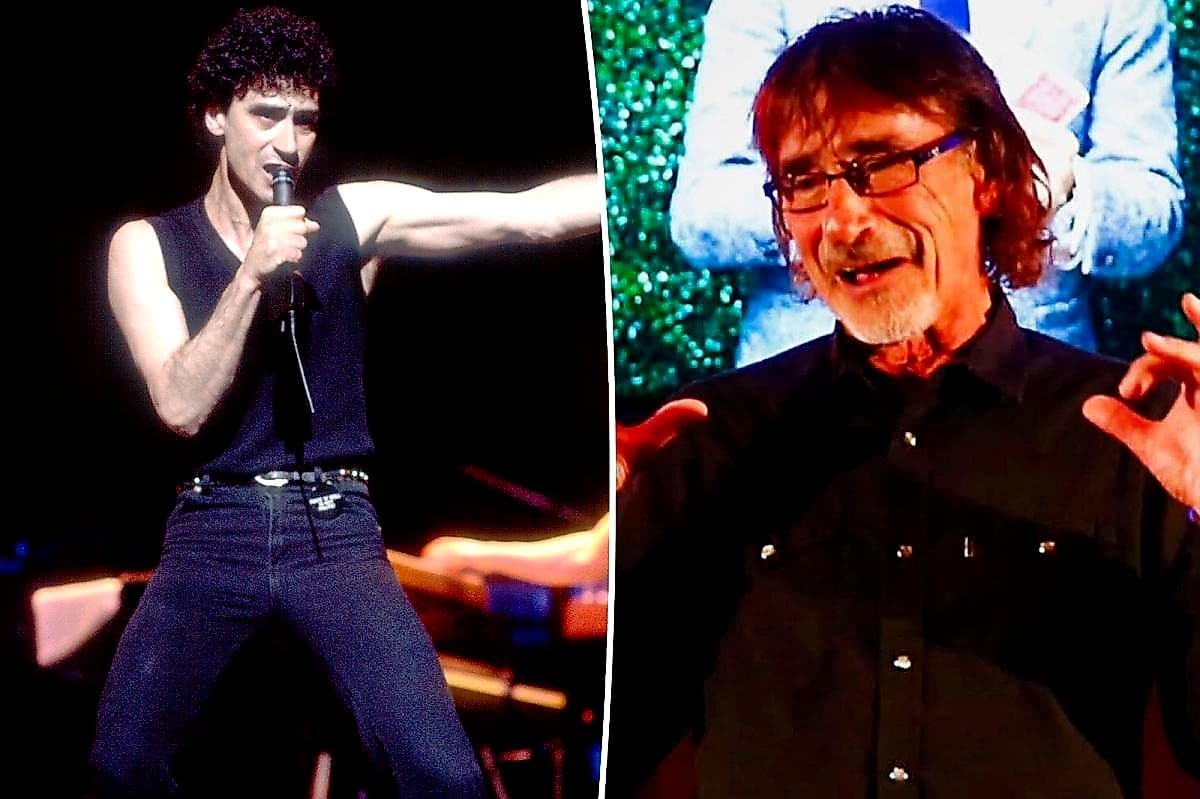
# **Donnie Iris, the Voice Behind Pittsburgh’s “Ah! Leah!” Dies at 83 After a Legendary 40‑Year Music Journey** Donnie Iris, the charismatic frontman whose soaring guitar riffs and infectious hooks turned “Ah!
Leah!” into a regional anthem, passed away at 83 on Monday. The Pittsburgh‑born singer had been battling bladder cancer for three years, and his final public appearance—a concert on September 28 at Citizens Live in his hometown—was a bittersweet farewell that left fans both in tears and in awe.
The news of Iris’s death reverberated through the Midwest, echoing a career that spanned four decades and a catalog of more than a dozen albums. He was best known for the late‑1970s and early‑1980s hits that defined a generation of rock enthusiasts, yet his influence stretched far beyond the charts.
From his first steps on stage in high‑school clubs to his last notes played from a chair in a Pittsburgh club, Iris’s story is one of perseverance, passion, and a deep, enduring connection with his listeners. As the city he loved mourned him, industry peers and fans alike reflected on the man’s legacy.
The following article takes a closer look at how Iris’s journey began, the emotional ripple his passing has caused, and what the future holds for his music and the community that shaped him. ## Background & Context Donnie Iris, born in Ellwood City, Pennsylvania, began his musical journey in the basement of a high‑school gym, where he learned to play guitar and sing with a group that would later evolve into the band that made him a household name.
His first taste of nationwide recognition came in 1970 when he was a member of the Jaggerz, whose single “The Rapper” cracked the top five on the Hot 100, landing at No. 2. That early success planted the seeds for a career that would later blossom in unexpected ways.
In 1978, Iris joined the legendary Wild Cherry as a keyboardist and background vocalist, stepping into a new realm after the group’s hit “Play That Funky Music” had already captured a generation’s imagination.
Two years later, a partnership that would become the core of his legacy formed: Iris teamed up with fellow musician Mark Avsec to create Donnie and the Cruisers. The band’s lineup also included guitarist Marty Lee Hoenes, bassist Albritton McClain, and drummer Kevin Valentine.
Their debut single set the stage for what would become a defining track for Pittsburgh: “Ah! Leah!” released in 1980.
The song quickly became an instant local favorite, capturing the spirit of the city and its people. The Cruisers released eleven studio albums over the next two decades, with the 2010 holiday release “Ah!
Leluiah!” marking the culmination of a prolific output. Despite a changing musical landscape, Donnie and the Cruisers maintained a loyal fan base that grew through relentless touring, an unmistakable sound, and a shared sense of community.
For many in the Pittsburgh area, “Ah! Leah!” was more than a single; it was a soundtrack to their lives.
Iris’s journey from local talent to regional rock icon demonstrates the power of perseverance and authentic connection.
Though his name may not have always been front‑and‑center on national charts, his influence was felt in every club, street, and living room where his music resonated. ## What People Are Saying The reactions to Donnie Iris’s death have been swift and heartfelt, reflecting the deep respect he commanded among his peers and the public.
Joe Grushecky, the celebrated singer of Iron City Houserockers, spoke of Iris’s warmth, saying, “I don’t know anyone who was loved more than Donnie.
He just had that warmth, and it came through in his performance.” Grushecky’s tribute captures the essence of Iris’s stage presence: a blend of charisma and genuine empathy that made every performance feel personal.
Mark Avsec, co‑founder of Donnie and the Cruisers and longtime collaborator, provided an intimate look into the singer’s final performance. “He sang like a bird that night,” Avsec recalled.
“It was the first time on a chair, and he didn’t like that.
But the poor guy, the cancer was spreading, and he was in pain, and he really wanted to do that show and be with the people.” Avsec’s words paint a picture of an artist who refused to let illness dictate his passion, choosing instead to give his audience one last unforgettable concert.
In his own farewell statement, Iris expressed gratitude that echoed through his career. “Music has given me far more than I could ever put into words.
From the earliest days to every chapter of my life, your support has been a constant source of joy and inspiration,” he wrote.
He added, “I am deeply grateful to my daughters and my entire family, the musicians, crew members, promoters, venues, and especially the fans who made this life possible.” The message was simple yet profound, the bonds he built over a lifetime of touring, recording, and performing.
Fans on social media and local radio stations flooded in with memories and praise. A longtime supporter described the September concert as “the most emotional night I’ve ever seen him play,” while another recalled how the song “Ah!
Leah!” had become the soundtrack of their wedding day. Across Pittsburgh and neighboring states, tribute videos and public memorials have begun to form, with many highlighting the song’s iconic guitar riff and the singer’s unmistakable laugh.
The outpouring of love is also a reflection of the era in which Iris rose to prominence—when rock music was a communal experience that forged lifelong friendships.
His death has therefore not only marked the end of an individual career but also the closing chapter of an entire generation’s shared musical experience. ## What Happens Next Donnie Iris’s legacy will live on through the music he created, the artists he influenced, and the community that carried him to the stage.
Following his retirement from live performance, the record label and the band’s management are expected to curate a comprehensive digital archive of his work, making his extensive catalog accessible to new listeners.
A retrospective tour, featuring past band members and contemporary musicians, could also pay homage to his influence on modern rock. The city of Pittsburgh has already announced plans to honor Iris with a commemorative plaque at Citizens Live, the venue that hosted his final performance.
City officials have indicated that the memorial will not only celebrate his career but also serve as a reminder of the role music plays in community identity. Fans have shown interest in a posthumous compilation that could include unreleased tracks, live recordings, and remastered versions of the band’s classics.
Such a project would not only preserve Iris’s artistic contributions but also generate proceeds that could support charitable causes close to his heart, such as local arts education programs and cancer research foundations.
Beyond the business side of things, the story of Iris’s perseverance offers an inspirational narrative for emerging musicians. His willingness to fight for his art, even in the face of severe health challenges, sets a powerful example for artists navigating the modern music industry’s complexities.
Workshops and speaking engagements featuring former bandmates and collaborators are likely to discuss the lessons learned from Iris’s career, emphasizing authenticity, resilience, and community engagement.
In the broader cultural landscape, Iris’s death may spark a renewed interest in the music of the late 1970s and early 1980s—a period defined by melodic hooks, gritty guitar work, and a sense of optimism that resonated across America. As new listeners discover “Ah!
Leah!” and “The Rapper,” the timeless appeal of Donnie Iris’s songwriting will prove that great music never ages. --- Donnie Iris’s journey from a high‑school guitarist to a regional rock icon stands as the enduring power of passion and connection.
His final notes, played from a chair in a Pittsburgh club, may have marked the end of a career, but the echo of his music will continue to reverberate in the hearts of fans, the corridors of Pittsburgh’s music scene, and the annals of American rock history.
At a Glance
- Donnie Iris, 83, Pittsburgh-born rock icon, dies after a battle with bladder cancer.
- Final concert at Citizens Live on Sept 28 saw him perform from a chair, leaving fans moved.
- Posthumous plans include a commemorative plaque, digital archive, and a charity‑supporting compilation.
Why It Matters
Our Take
GoNews Pulse Editorial Team
This article was prepared for publication by GoNews Pulse and checked for publication requirements under our editorial standards. We review available information and correct material errors when they are identified.
Quick Answers
- What is the latest update on this story?
- The 83‑year‑old frontman performed from a chair in the final show, refusing to let cancer stop him, leaving the crowd in stunned silence.
- Who is this story about?
- This article covers developments related to Donnie Iris's 83-Year-Old Farewell at Citizens Live Shocks Fans. GoNews Pulse's editorial team monitors the story and updates the article as new verified information becomes available.
- Where can I read more about celebrity news?
- GoNews Pulse publishes original reporting on celebrity news and related entertainment news. Visit the homepage or browse the section dedicated to this story for the latest coverage.
More From This Section

Kelly Cates Stays Cool as Mark Chapman Feuds with BBC Sports Director
Cates even quipped that the 'back‑stage drama was just a tiny blip, nothing to distract the audience' after the 1‑0 loss to Arsenal.

Ian Gillan, 81, hospitalized forces Deep Purple to cancel two shows
Deep Purple confirmed all tickets will stay valid while Ian Gillan recovers from an emergency hospitalization that forced the band to cancel two shows, leaving fans hopeful for a swift return.

Brooklyn Beckham’s ‘Obsessed’ Post With Finger Emoji Shocks Fans
Brooklyn Beckham’s Instagram post uses a bold middle‑finger emoji to defend his wife, sparking a flood of comments.