
Trump Shouts He Was Saved by Firefighters on 9/11, Records Deny
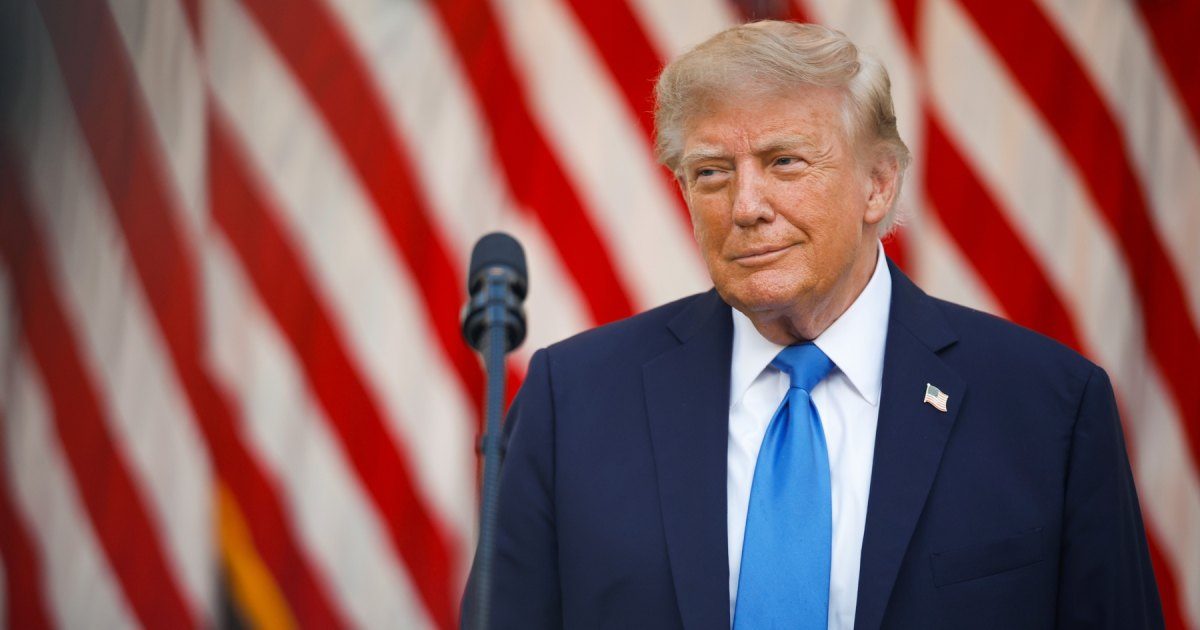
Donald Trump, 80, posted on the social‑media platform TruthSocial on Tuesday, September 8 that he was rescued by first responders shortly after the September 11 attacks in New York City.
The post recounted that firefighters carried him to safety near the World Trade Center and that he had been present with construction workers in the immediate aftermath.
The claim surfaced the same day Trump spoke at a memorial event in Washington, where he reiterated the rescue story and criticized journalists he said were misrepresenting him.
## Background & Context
The 9/11 attacks reshaped the United States overnight, and the stories that emerged have become integral to the national narrative.
When Trump first appeared on television that same day—reporting from a hotel in New York City—he described how he watched the towers collapse from a distance, then later spoke about walking through the wreckage with firefighters. Those early accounts were not corroborated by any official records or eyewitnesses.
A retired deputy chief of the New York Fire Department, who had been on scene that morning, stated in an interview that he never observed Trump at ground zero. The department’s official logs, which include detailed timestamps for every responder’s arrival and departure, show no mention of the former president.
This absence stands in stark contrast to Trump's own narrative and has prompted many to question the accuracy of his claim.
During the September 11 attacks, Trump was located outside the city, as confirmed by his own prior commentary on a television interview that day. Subsequent reports from authorities noted that his official schedule placed him miles away from Lower Manhattan during the events.
The discrepancy between these records and Trump’s statements has fueled skepticism about the accuracy of his rescue claim.
## What People Are Saying
Trump’s recent post also targeted a journalist he named in a derogatory way, claiming the reporter had fabricated details about his participation in upcoming events. In response, a spokesperson for the publication clarified that no retraction would be issued and that the reporters' coverage remains valid.
The spokesperson emphasized that the organization stands by its reporting, underscoring the importance of factual journalism.
Trump’s comments on TruthSocial extended to a broader critique of what he calls “fake news,” accusing media outlets of “attacking” him for his account of the attacks. He asserted that his memories of the post‑attack city were accurate and that he had documented the experience with photographs and video clips.
The claim that these materials exist remains unverified by independent parties.
Within the broader public discourse, observers note a pattern of Trump revisiting past events to reinforce narratives that align with his political stance. This approach has historically sparked debate over the veracity of his statements and prompted calls for objective verification.
The current episode adds another instance where his words diverge from established records.
### Fan Reaction
Among Trump’s supporters, the post was met with fervent enthusiasm. Many followers posted their own tributes, recalling how the former president had “stood tall” during the crisis and praising him for his bravery.
Social‑media threads echoing his narrative surged, with hashtags like #TrumpRescued9/11 and #TruthOnTruthSocial trending for several hours. Some fans shared personal stories of how Trump’s 9/11 claims had influenced their perception of him as a resilient leader.
Conversely, other segments of the public expressed alarm over the potential spread of misinformation about such a sensitive historical event. A number of commenters called for the verification of any evidence that could substantiate Trump’s story and urged platforms to flag or review the content.
These divergent reactions underscore how deeply divided opinions can be when a public figure challenges widely accepted historical accounts.
## What Happens Next
Official agencies responsible for documenting the September 11 attacks have not released new evidence concerning Trump’s presence that would support his claim. As a result, the narrative remains contested, with some groups demanding additional documentation while others question the credibility of the claim altogether.
The lack of corroborating material from independent sources means the story continues to be viewed as an unsubstantiated assertion.
The memorial event in Washington where Trump spoke is scheduled to feature several former first responders and officials. Their accounts, recorded during that gathering, emphasize the chaotic environment of the immediate post‑attack period but do not mention Trump’s presence.
These statements may further clarify the factual context surrounding the day’s events.
Public reaction to Trump’s post has been mixed; some followers echo his sentiment that media coverage is distorted, while others express concern about the potential spread of misinformation.
Social media platforms have noted increased engagement on posts relating to 9/11 narratives, prompting discussions about historical accuracy and the role of public figures in shaping collective memory. How this dialogue evolves may influence future efforts to verify claims tied to pivotal national moments.
The episode underscores the continuing tension between political rhetoric and documented history, highlighting the importance of rigorous fact‑checking when public statements touch on events with profound cultural significance.
In the weeks ahead, attention will likely focus on how authorities and media organizations handle ongoing disputes over historical narratives that intersect with current political discourse.
## Industry Impact
The controversy has rippled beyond the political sphere, touching the broader social‑media industry. Platforms that host user‑generated content face renewed scrutiny regarding the moderation of claims that could influence public understanding of historic events.
The debate over how to balance free expression with the potential harm of misinformation has accelerated conversations around algorithmic transparency and content flagging policies.
public‑relations firms are recalibrating strategies for high‑profile clients whose statements have a disproportionate effect on public opinion. The need for rapid fact‑checking protocols, especially during live events or in the wake of a major national tragedy, has become apparent.
Some firms are now incorporating dedicated historical verification teams that can consult archival records before endorsing a narrative.
For journalists and storytellers, the incident has reignited discussions about the responsibilities involved in covering sensitive historical topics. Even as the public remains divided, there is a growing consensus that accuracy should never be compromised, particularly when dealing with events that shape collective memory.
## Final Thoughts
Donald Trump’s reaffirmation of his rescue claim on TruthSocial has reignited a long‑standing debate about memory, truth, and public narrative. While his supporters view the story as his resilience, skeptics see it as an example of a political figure pushing a contested narrative for personal or ideological gain.
The lack of independent corroboration keeps the claim in limbo, a reminder that even in the age of instant communication, historical truth remains anchored by evidence and eyewitness testimony.
As the nation continues to reflect on 9/11 and its enduring impact, the conversation surrounding this episode highlights the need for careful stewardship of public discourse.
Whether through rigorous fact‑checking, transparent moderation practices, or renewed emphasis on documentary evidence, the collective responsibility to preserve historical integrity remains paramount.
Why It Matters
Our Take
GoNews Pulse Editorial Team
This article was prepared for publication by GoNews Pulse and checked for publication requirements under our editorial standards. We review available information and correct material errors when they are identified.
Quick Answers
- What is the latest update on this story?
- He says he was rescued on 9/11 by firefighters, yet no records confirm it.
- Who is this story about?
- This article covers developments related to Trump Shouts He Was Saved by Firefighters on 9/11, Records Deny. GoNews Pulse's editorial team monitors the story and updates the article as new verified information becomes available.
- Where can I read more about Donald Trump?
- GoNews Pulse publishes original reporting on Donald Trump and related entertainment news. Visit the homepage or browse the section dedicated to this story for the latest coverage.
Related topics
- #Donald Trump
- #TruthSocial
More From This Section

Jon Gosselin's 22‑Year‑Old Son Exposes Abuse, Father Shouts Support
Jon Gosselin declares that his son’s 22‑year‑old memoir exposes alleged institutionalization and a hidden ‘small holding’ cell, sparking a national debate.

Mike Colter's Valley Firm AGI Bo Revealed at 2:00 a.m. Shocks Fans
Rob McClure's portrayal of Bo forces the firm to confront a real‑world AGI asking for legal guardrails, sparking a tense ethical debate.

Meredith Grey's bed proposal to Nick on surgery table stuns fans
Meredith Grey slipped a ring into Nick's hand while he lay on the operating table, a move that stunned fans amid the bridge collapse.