
Trump claims firefighters saved him on 9/11, but he was miles away
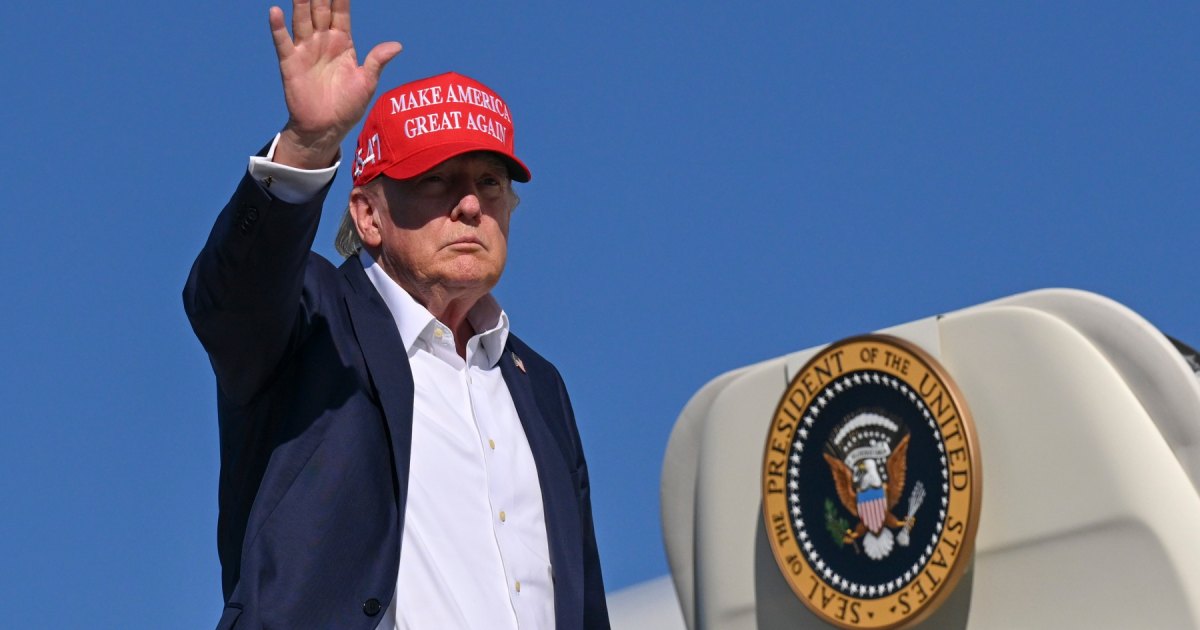
At a commemoration gathering near the White House on Tuesday, September 8, former President Donald Trump told an audience that two firefighters had carried him to safety amid the chaos of the September 11 attacks. He described how “big, strong guys” lifted him and ran with him through the smoke and debris.
The remarks were made as the nation marked the 25th anniversary of the tragedy that killed nearly 3,000 people.
Trump’s statement came at an event organized by the Tunnel to Towers Foundation, a nonprofit that honors first responders who died in 9/11. In his speech, he recalled being on a construction site miles from Ground Zero and claimed that firefighters had rescued him shortly after the towers collapsed.
He emphasized their bravery, saying they “lived for the people” and praised their dedication.
The claim that Trump was physically rescued by first responders contradicts what has long been documented about his whereabouts on that fateful day. Records show that Trump was not in New York City at the time of the attacks and had no involvement in rescue or recovery operations.
The discrepancy has resurfaced after a series of prior false assertions about his role in 9/11 events.
---
## The 25th Anniversary Event: A Brief Overview
During the ceremony, Trump recounted a moment in which firefighters “grabbed him under the arms” and carried him to safety. He described the experience as extraordinary, noting that he felt “so strong” and could have run on his own if not for their help.
The former president framed his account as the heroism of first responders, adding that they had saved his life.
The event took place on a quiet strip of lawn just outside the White House gates, a location chosen to symbolize the nation’s collective memory. Attendees included veterans, first‑responder families, and dignitaries from across the country.
Trump concluded by praising the courage and sacrifice of those who risked their lives during the disaster. He urged listeners to remember the impact of their service on American society.
After the speech, several attendees expressed surprise at Trump’s claim, noting his absence from the city that morning. The event’s organizers emphasized that the ceremony was meant to honor all first responders, regardless of personal involvement by guests.
The remarks sparked immediate discussion among observers familiar with 9/11 timelines.
---
## Historical Context: Who Was Actually on the Scene?
The narrative that Trump was rescued by firefighters has no corroborating evidence. Records from the National Fire Protection Association indicate that no first responders were dispatched to a location several miles away from Ground Zero on September 11.
Additionally, statements from the New York City Fire Department confirm that the former president had no presence in the area during the attacks.
The official timeline of the day is well‑documented. The Trump Organization was operating a construction site in Manhattan’s Lower East Side, and Trump himself was not present in New York City at any point on 9/11.
Multiple eyewitness accounts from that construction site confirm that no emergency vehicles were present during the collapse or the immediate aftermath. first responders’ dispatch logs show that all units were concentrated within a few blocks of the Twin Towers, with no records of units being sent to the site where Trump claimed to have been.
These facts underscore a pattern of misstatement that has followed Trump since the early days of his campaign. Earlier remarks included assertions that he had been present at Ground Zero and that he helped clear rubble. Those statements were contradicted by multiple official reports and eyewitness accounts.
---
## Fan Reactions: A Polarized Response
The audience reaction was a mix of support and skepticism. Many veterans and first‑responder families expressed admiration for Trump’s tribute to emergency personnel, regardless of the veracity of his claim. said one veteran in attendance, who also noted that Trump’s emphasis on unity resonated with many.
Conversely, a number of attendees voiced disappointment. One former first responder shared, Social media buzz around the event was equally divided, with some hashtags celebrating Trump’s homage to first responders, while others criticized the misinformation.
In a broader sense, the incident reflects how political narratives can shape public perception of historical events. For many who grew up hearing about 9/11 as a national tragedy, any deviation from established facts can feel like a distortion of collective memory.
---
## Industry Impact: The Legacy of 9/11 on Firefighting and Emergency Services
The 9/11 attacks prompted sweeping changes across the firefighting and emergency services industry. Immediately after the collapse, firefighters faced unprecedented hazards—structural collapse, toxic smoke, and a chaotic environment that exposed gaps in equipment and training.
The event spurred the development of advanced personal protective equipment, such as improved self‑contained breathing apparatuses (SCBA) and heat‑resistant suits.
In the years since, the industry has seen a shift toward technology integration. Drone reconnaissance became a staple for search and rescue, while real‑time data analytics help command centers assess risks on the fly.
Additionally, 9/11 catalyzed the creation of the National Fire Protection Association’s (NFPA) **NFPA 1001** standard updates, which emphasize incident command system (ICS) proficiency and multi‑agency coordination.
The public’s perception of firefighting also evolved. The heroic image forged on September 11 reinforced a cultural narrative that firefighters are This narrative has translated into increased volunteerism and higher recruitment numbers in the decades following the attacks.
However, the industry also faces ongoing challenges—budget constraints, mental health support, and workforce diversity—which were all highlighted during memorial events such as today’s gathering.
---
## Upcoming Commemorations and Future Events
Trump is scheduled to speak at a ceremony held at the Pentagon on Friday, September 11. The event will feature Vice President J.D. Vance and other former presidents as part of a joint memorial for 9/11 victims.
The former president declined an invitation to attend the annual commemoration at the World Trade Center site, .
The Pentagon gathering aims to honor both the victims and the first responders who served that day. Speakers will focus on resilience, unity, and remembrance. The ceremony is expected to draw a large crowd of families, veterans, and officials.
Meanwhile, the Tunnel to Towers Foundation has confirmed that it will continue its annual events to support the families of fallen first responders. The foundation’s mission includes preserving the memory of those who lost their lives and providing ongoing assistance to survivors.
Its efforts highlight the lasting impact of 9/11 on communities across the United States.
The final segment of Trump’s speech at the White House event underscored his commitment to memorializing 9/11 through public tribute. He urged the nation to remain vigilant and thankful for those who gave their lives. His remarks, though contested, were positioned within a broader narrative of remembrance during the 25th anniversary.
---
## Looking Forward: Maintaining Historical Accuracy
The incident serves as a reminder of the importance of maintaining historical accuracy in public discourse, especially when discussing events that shape national identity. While honoring first responders remains essential, it is equally crucial to ensure that narratives presented to the public are grounded in fact.
As future commemorations approach, many organizations—including the Tunnel to Towers Foundation—continue to emphasize evidence‑based storytelling. They collaborate with historians, emergency professionals, and community members to create educational materials that reflect the true scope of what happened on September 11.
In the wake of Trump’s claim, there is renewed conversation about how society should handle conflicting statements from public figures about past events.
By fostering a culture that values truth and reverence for those who served, the nation can continue to honor the legacy of 9/11 in a way that respects both the memories of victims and the sacrifices of first responders.
Why It Matters
Our Take
GoNews Pulse Editorial Team
This article was prepared for publication by GoNews Pulse and checked for publication requirements under our editorial standards. We review available information and correct material errors when they are identified.
Quick Answers
- What is the latest update on this story?
- He says brave firefighters rescued him at the attacks' epicenter, yet records reveal he was miles away.
- Who is this story about?
- This article covers developments related to Trump claims firefighters saved him on 9/11, but he was miles away. GoNews Pulse's editorial team monitors the story and updates the article as new verified information becomes available.
- Where can I read more about Donald Trump?
- GoNews Pulse publishes original reporting on Donald Trump and related entertainment news. Visit the homepage or browse the section dedicated to this story for the latest coverage.
Related topics
- #Donald Trump
- #first responders
- #firefighters
- #misinformation
More From This Section

Jon Gosselin's 22‑Year‑Old Son Exposes Abuse, Father Shouts Support
Jon Gosselin declares that his son’s 22‑year‑old memoir exposes alleged institutionalization and a hidden ‘small holding’ cell, sparking a national debate.

Mike Colter's Valley Firm AGI Bo Revealed at 2:00 a.m. Shocks Fans
Rob McClure's portrayal of Bo forces the firm to confront a real‑world AGI asking for legal guardrails, sparking a tense ethical debate.

Meredith Grey's bed proposal to Nick on surgery table stuns fans
Meredith Grey slipped a ring into Nick's hand while he lay on the operating table, a move that stunned fans amid the bridge collapse.