
Dolph Lundgren's 68-Year-Old Kidney Tumor Misdiagnosis Shocked Fans
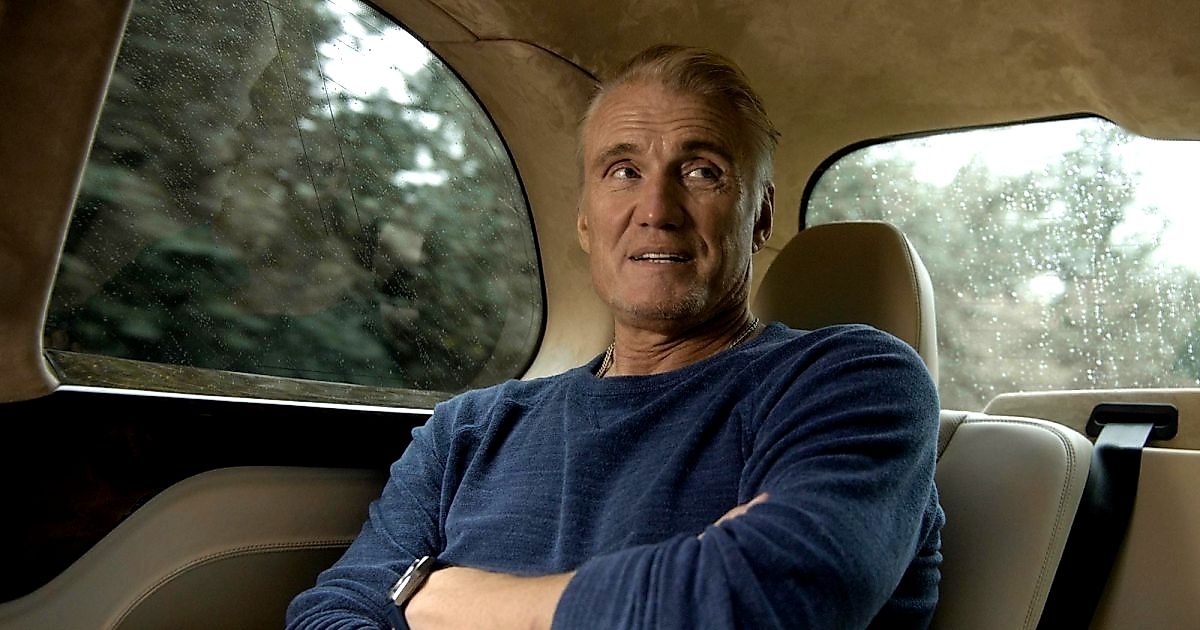
# Dolph Lundgren’s 2015 Misdiagnosis Shocked Him, Nearly Cost Him Life At 6‑foot‑4 Dolph Lundgren carved a career as a rugged action icon, from the relentless “Rocky” sequels to the explosive “Expendables” series.
His reputation for brute strength and disciplined training made him a natural in the world of high‑octane cinema. Yet in 2015, when a routine check‑up revealed a kidney tumor, the action star faced a far darker challenge that would test the very limits of his resilience.
Doctors first identified the kidney mass, and a course of treatment was prescribed. For months, Lundgren endured the side effects—fatigue, nausea, and a growing list of complaints—while the disease slipped its way into his lungs, spine, stomach, and liver.
It wasn’t until he gathered his entire medical history and sent it to a specialist at UCLA that a stark truth emerged: the original diagnosis was wrong.
“The second opinion saved my life,” he said in an exclusive interview, describing the moment he realized the treatments he had been receiving were meant for a different type of cancer. The revelation was a mix of disbelief and sudden relief.
Once the correct regimen was implemented, the new treatment began working quite quickly, and the cancer’s spread began to stall. ## Background & Context Lundgren’s story begins with a familiar image: a muscular star fronting a Hollywood blockbuster.
Yet behind the red‑carpet charisma, a hidden battle began in a quiet hospital room. The 68‑year‑old first learned of a kidney tumor in late 2015, a diagnosis that promised a grim future.
In the weeks that followed, routine scans and lab tests painted a picture of a disease spreading beyond the kidney. While the oncology team at his local hospital charted a plan, the real breakthrough came when Lundgren, determined to verify his treatment, compiled every medical chart and laboratory result.
He sent the bundle to a renowned oncologist at UCLA. The specialist reviewed his records and found that he had been receiving the wrong type of cancer treatment.
The misdiagnosis had already inflicted damage. Tumors had emerged in his lungs, spine, stomach, and liver—a fact that made the later correct treatment not just a routine adjustment but a race against time.
The actor’s experience highlighted the critical importance of second opinions, especially when a disease’s course is aggressive and unpredictable. ## What People Are Saying When Lundgren finally understood the gravity of the error, his emotions ran high.
“Disbelief first, then relief,” he recounted, reflecting on how a single mistake could have altered his trajectory. His wife, Emma Krokdal, who is only 30, became an essential pillar in navigating this crisis.
“She was there and helped me with the treatments, with my diet because I could only eat certain things. I had sores in my mouth and so forth,” he shared, underscoring how her support kept him grounded through the turmoil.
Beyond the personal toll, Lundgren and his wife briefly entertained the idea of pursuing a malpractice claim. “We even thought about donating the proceeds to charity,” he said, indicating a willingness to turn a painful situation into a positive contribution.
Ultimately, they decided against legal action, recognizing that the medical staff’s mistake stemmed from error rather than malice. “People make mistakes,” he observed, choosing to focus on recovery instead of blame.
While undergoing treatment, the actor maintained his professional commitments. He continued filming projects such as “Aquaman and the Lost Kingdom” and the “Expendables” franchise, keeping his diagnosis out of the public eye.
The decision to remain on set, while daunting, was his determination and to the careful coordination with his production teams to accommodate his health needs. ## What Happens Next Since the corrective treatment began, Lundgren’s health has stabilized.
He reports that scans conducted every four to five months have shown no new activity for roughly three years—a period he describes as “clean.” Yet he remains vigilant, aware that cancer can reemerge, and he continues to monitor his condition closely.
“Obviously I’m aware of psychologically something could come back,” he admits, accepting the ongoing uncertainty as part of life. Parallel to his medical journey, Lundgren has turned his experience into a narrative project: the documentary “Dolph: Unbreakable,” slated for digital release on October 6.
The film retraces his Swedish roots, his early fascination with martial arts, and his whirlwind romance with Grace Jones in the mid‑1980s. It also features cameos from fellow action legends such as Sylvester Stallone and Arnold Schwarzenegger, who share their own perspectives on the iconic tough‑guy persona.
The documentary, he says, has become a therapeutic exercise—allowing him to revisit pivotal choices and to share the highs and lows of a life on the edge. Beyond the silver screen, Lundgren’s candid reflections carry a hopeful message for anyone facing adversity.
He emphasizes the importance of attitude and perseverance: “I hope people can see that there’s a way to make it through hard times if you really want to, if you have the right attitude.” He also notes that, after confronting a potentially life‑altering diagnosis, he has shifted his focus from racing against time to savoring each day.
“I just want to enjoy every day,” he says, looking to the sunrise as a reminder of the world’s beauty and his continued presence within it. Dolph Lundgren’s journey from misdiagnosis to recovery is a stark reminder that even the strongest among us can face unexpected setbacks.
Yet his story also illustrates the power of second opinions, steadfast support, and an unwavering resolve to confront life’s toughest challenges head on.
At a Glance
- 68‑year‑old action star Dolph Lundgren’s 2015 kidney tumor misdiagnosis was corrected after a second opinion, saving his life.
- The error allowed cancer to spread to lungs, spine, stomach and liver, forcing him to rely on a new targeted therapy that halted its growth.
- Despite the crisis, Lundgren kept filming, released a documentary, and emphasized the vital role of second opinions for patients.
Why It Matters
Our Take
GoNews Pulse Editorial Team
This article was prepared for publication by GoNews Pulse and checked for publication requirements under our editorial standards. We review available information and correct material errors when they are identified.
Quick Answers
- What is the latest update on this story?
- After his misdiagnosed kidney tumor, Dolph Lundgren said the second opinion ‘saved my life,’ while still filming Aquaman amid cancer’s spread.
- Who is this story about?
- This article covers developments related to Dolph Lundgren's 68-Year-Old Kidney Tumor Misdiagnosis Shocked Fans. GoNews Pulse's editorial team monitors the story and updates the article as new verified information becomes available.
- Where can I read more about celebrity news?
- GoNews Pulse publishes original reporting on celebrity news and related entertainment news. Visit the homepage or browse the section dedicated to this story for the latest coverage.
More From This Section

Jon Gosselin's 22‑Year‑Old Son Exposes Abuse, Father Shouts Support
Jon Gosselin declares that his son’s 22‑year‑old memoir exposes alleged institutionalization and a hidden ‘small holding’ cell, sparking a national debate.

Mike Colter's Valley Firm AGI Bo Revealed at 2:00 a.m. Shocks Fans
Rob McClure's portrayal of Bo forces the firm to confront a real‑world AGI asking for legal guardrails, sparking a tense ethical debate.

Meredith Grey's bed proposal to Nick on surgery table stuns fans
Meredith Grey slipped a ring into Nick's hand while he lay on the operating table, a move that stunned fans amid the bridge collapse.