
Dolph Lundgren Reveals How Cancer Misdiagnosis Sparked His Despair
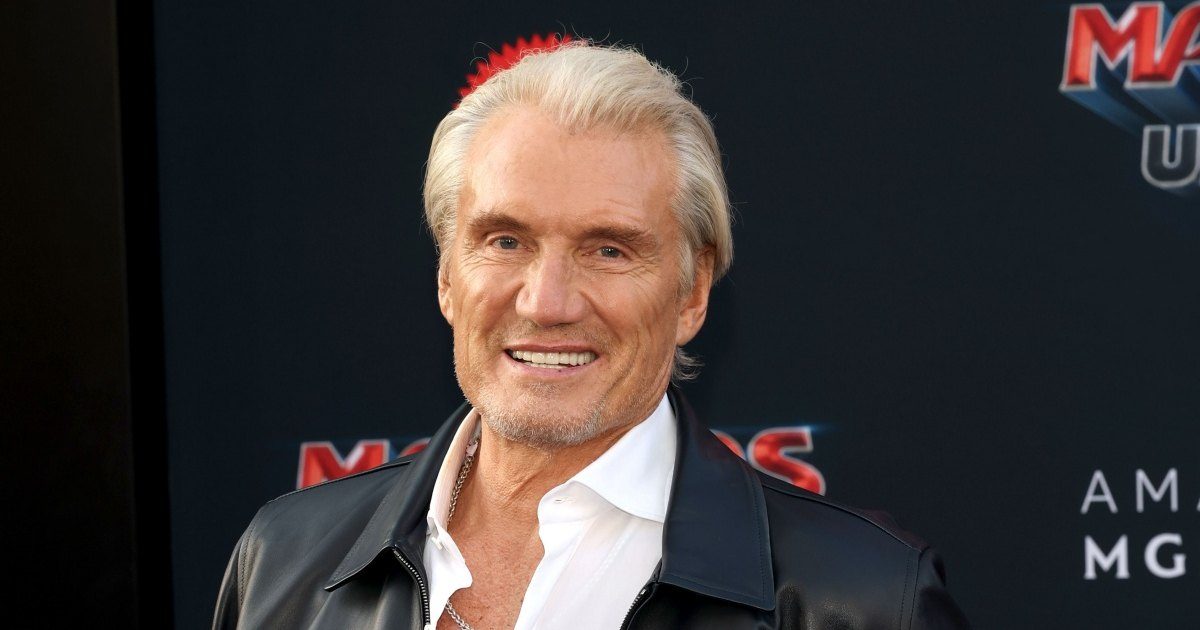
The former *Rocky IV* star, 68, revealed the depth of his struggle with cancer in his debut memoir, *Fights Worth Fighting: Finding Strength in Struggle*. He detailed a period during treatment when he contemplated suicide and considered involving his brother Johan in the decision.
The book also chronicles his journey from chemical engineering student to international action star.
In the memoir, Lundgren wrote, “When I was deep into the cancer treatments and thinking about the possibility of killing myself, my brother, Johan, was going to help me, because I didn’t know what kind of condition I might be in once I made that decision.” He added that he feared becoming physically incapable of ending his life alone.
The author noted the legal status of assisted suicide in Europe, saying, “There are countries in Europe, like Switzerland, that permit legal suicide for people who are terminally ill, but I still might have needed someone there to help me.”
The decision to talk about these thoughts came after Lundgren met Dr. Drakaki. He said that the doctor’s care helped him feel better, leading him to abandon any further planning.
“Johan and I talked about it, but once I met Dr. Drakaki and began feeling a little better, it never went any further than that,” he wrote. The memoir also explores the misdiagnosis that initially delayed effective treatment.
Lundgren’s cancer history began in 2015 when he was diagnosed with a kidney tumor that was surgically removed. In 2020, additional tumors were found by his medical team, prompting further investigations. He announced in November 2024 that he was finally cancer‑free, a milestone he credits to the treatment and support network around him.
## Background & Context
Lundgren’s upbringing in Sweden set the stage for a diverse career. He started as a chemical engineering student before turning to martial arts, eventually becoming a champion. The memoir charts his transition from local competitions to Hollywood, highlighting his roles in films such as *Rocky IV* and *The Expendables*.
This background frames the resilience he later describes during his illness.
The misdiagnosis detail is significant. , “[One doctor] had me do another biopsy and then asked her pathologist to evaluate the results, and we also requested the slides from my initial biopsy for comparison.” The pathology revealed a mutation common in lung cancer, explaining why medications prescribed for two years were ineffective.
This discovery prompted a change in his treatment plan.
Emma Krokdal, Lundgren’s wife, played a critical role during his health crisis. “I still remember when I first learned Dolph had cancer because I was there with him throughout it the whole time,” she said. She recalled that when a biopsy was planned in Sweden, they chose to fly back to Los Angeles instead, believing it would be safer.
Her presence is a recurring theme in the memoir’s narrative.
## What the Memoir Reveals
The candid nature of *Fights Worth Fighting* offers readers insight into the emotional toll of serious illness. Lundgren’s description of suicidal thoughts is rare for a public figure. He discusses how he weighed the possibility of assisted suicide against his physical condition, illustrating a stark internal conflict.
The memoir also covers the practical aspects of his treatment journey. The author notes that after meeting Dr. Drakaki, his condition improved enough that he no longer considered suicide.
This turnaround is presented as a turning point in his battle with cancer, demonstrating the impact of effective medical care.
Lundgren’s reflections on misdiagnosis highlight a broader issue in oncology. He explains how the initial kidney cancer label was incorrect, leading to a two‑year period of ineffective medication. The book frames this as an important lesson about seeking second opinions and thorough testing in complex cases.
## What Happens Next
While Lundgren’s health has stabilized, he continues to advocate for awareness around cancer treatment accuracy. The memoir serves as both a personal narrative and a call to action for patients facing similar challenges. He remains active in his career, though his focus has shifted toward health education and sharing his experience.
Emma Krokdal is also expected to speak publicly about the experience, though no formal statements have been released yet. The couple’s journey may inspire others dealing with serious illness and the psychological burdens that accompany it.
In sum, Dolph Lundgren’s memoir gives a rare, honest look at the mental and physical battles of a cancer survivor. It underscores the importance of accurate diagnosis, compassionate care, and the support of loved ones in navigating such a daunting path.
Why It Matters
Our Take
GoNews Pulse Editorial Team
This article was prepared for publication by GoNews Pulse and checked for publication requirements under our editorial standards. We review available information and correct material errors when they are identified.
Quick Answers
- What is the latest update on this story?
- He admits a misdiagnosis pushes him to the brink of suicide, yet his fight against cancer rewrites his destiny.
- Who is this story about?
- This article covers developments related to Dolph Lundgren Reveals How Cancer Misdiagnosis Sparked His Despair. GoNews Pulse's editorial team monitors the story and updates the article as new verified information becomes available.
- Where can I read more about Dolph Lundgren?
- GoNews Pulse publishes original reporting on Dolph Lundgren and related entertainment news. Visit the homepage or browse the section dedicated to this story for the latest coverage.
Related topics
- #Dolph Lundgren
- #Fights Worth Fighting
- #Rocky IV
- #Cancer misdiagnosis
More From This Section

Jon Gosselin's 22‑Year‑Old Son Exposes Abuse, Father Shouts Support
Jon Gosselin declares that his son’s 22‑year‑old memoir exposes alleged institutionalization and a hidden ‘small holding’ cell, sparking a national debate.

Mike Colter's Valley Firm AGI Bo Revealed at 2:00 a.m. Shocks Fans
Rob McClure's portrayal of Bo forces the firm to confront a real‑world AGI asking for legal guardrails, sparking a tense ethical debate.

Meredith Grey's bed proposal to Nick on surgery table stuns fans
Meredith Grey slipped a ring into Nick's hand while he lay on the operating table, a move that stunned fans amid the bridge collapse.