
Parton Writes ‘I Will Always Love You’ After Break with Porter Wagoner
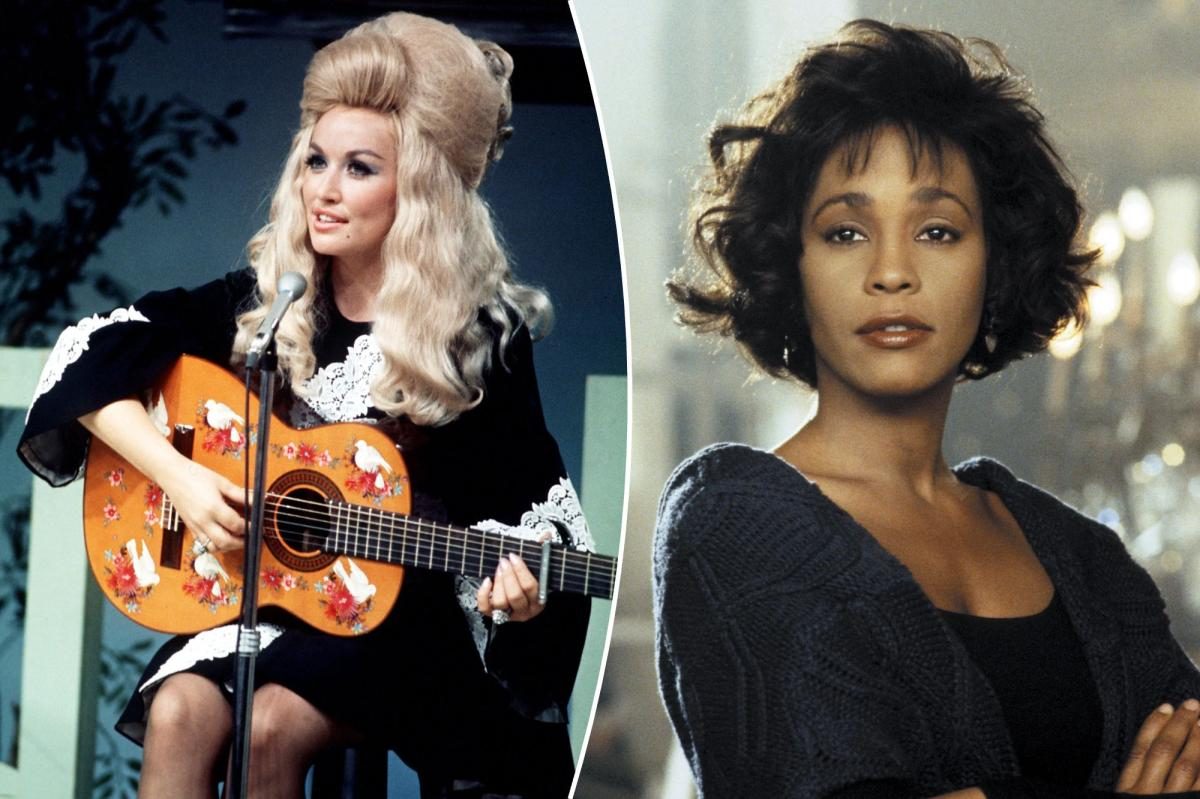
## Background & Early Partnership
In 1967, three years after moving to Nashville from her small hometown of Locust Ridge, Tennessee, Dolly Parton found an unexpected mentor in the seasoned country singer Porter Wagoner. Wagoner, already a fixture on television with *The Porter Wagoner Show*, invited the young songwriter‑performer to co‑host the program.
Over the next several years they produced thirteen studio albums together, blending Wagoner's polished showmanship with Parton’s sharp wit and lyrical ingenuity. This collaboration secured Dolly’s first major record deal with RCA Victor and introduced her to a national audience that had previously known only local radio.
Despite the professional success, Parton’s ambition was far larger than the confines of a duo act. In a 2023 interview with Howard Stern she reflected, “I really felt like I needed to move on… I didn’t want to spend the rest of my life being a girl singer.
I knew my destiny.” The statement echoed a sentiment that had been building for years: Parton wanted to be recognized not just as an accompanist but as a solo artist with her own voice—both literally and figuratively. Her growing independence set the stage for a pivotal moment that would shape her career.
During a 2011 interview with Country Music Television, Parton described the fallout as “a lot of grief and heartache there, and he just wasn’t listening to my reasoning for going.” She explained how the emotional turbulence of that split inspired her to channel her feelings into songwriting.
For Dolly, the break was less an ending and more a catalyst for the creation of some of her most enduring work.
## Song Creation and Industry Reactions
The origins of “I Will Always Love You” are as dramatic as they are intimate. On a single afternoon in 1973, while still under Wagoner’s mentorship, Parton penned both “I Will Always Love You” and the now‑iconic “Jolene” in the very office where she would later have to confront her mentor.
Armed with only her acoustic guitar, she performed the new ballad for Wagoner, pleading for his understanding of her desire to pursue a solo path. He was moved; his reply was simple yet powerful: “That’s the best song you’ve ever written…
You can go if I can produce the song.” This exchange not only cemented their professional split but also granted Parton a degree of autonomy she had long sought.
In the years that followed, the ballad sat in Dolly’s repertoire, a personal testament to her resilience. The song’s potential drew attention beyond country circles.
Elvis Presley reportedly wanted to record the piece, but his manager, Colonel Tom Parker, demanded half of the publishing rights—a proposition that would have significantly diminished Parton’s control over her own creation. Parton later recalled the moment in a private interview: “I cried all night…
I said, ‘I can’t.’” Her decision to reject the offer preserved her rights and underscored her determination to let her work speak for itself.
The song’s trajectory took a dramatic turn in 1992 when it was chosen for *The Bodyguard*, the film starring Kevin Costner and Whitney Houston. Initially, the producers had intended to use “What Becomes of the Brokenhearted,” but that plan fell through.
Music supervisor Maureen Crowe explained that a slower arrangement would have felt derivative of Paul Young’s 1991 cover, so she proposed Parton’s ballad instead. Costner was instantly enamored and gave the green light, setting the stage for Houston’s unforgettable rendition.
The commercial impact of Houston’s cover was staggering. The single topped charts worldwide and earned Parton an estimated $10 million in royalties—a figure that exemplified how early songwriting can translate into long‑term financial success.
Dolly, always generous with her reflections, joked that the money would have allowed her to buy Graceland, a dream she had long held for her own. Beyond the financials, the recording cemented the ballad’s place in pop culture and highlighted Parton’s prowess as a songwriter capable of transcending genre boundaries.
## Legacy, Fan Reaction, and Industry Impact
Despite their professional split, Parton and Wagoner maintained a friendship that endured beyond the stage. In 2007, Dolly was by his bedside in Nashville when he passed away.
Their bond illustrates how professional differences can coexist with personal respect—a narrative that resonated deeply with fans who had followed both artists’ careers.
The ballad’s 50th anniversary in 2024 brought renewed attention to Parton’s early creative spark. On Instagram, Dolly posted, “It will always hold a special place in my heart as I hope it does yours. I never realized it was your song.” Her post highlighted the enduring connection between the songwriter and her listeners.
Fans worldwide shared stories of how the song had shaped pivotal moments—breakups, graduations, weddings—underscoring its universal appeal.
The song’s journey—from a breakup ballad written in a Nashville office to an international anthem—demonstrates the power of authentic songwriting. Its lyrical honesty has inspired countless covers beyond Houston’s rendition, including versions by Mariah Carey, Beyoncé, and even a gospel‑inspired reinterpretation by Kirk Franklin.
Each cover preserves the core emotional truth of Parton’s original while adding new cultural textures.
Industry-wise, “I Will Always Love You” served as a case study in artist control over publishing rights. By declining Elvis’s offer, Parton ensured she retained ownership—a decision that modern artists still grapple with when balancing commercial opportunities against long‑term autonomy.
The song also showcased how a single track could be repurposed across media—film, television, live performances—thereby extending its lifespan and profitability.
## The Enduring Influence on New Artists
Even decades after its release, Dolly’s songwriting continues to influence emerging talent. In Nashville’s bustling songwriting circles, new artists cite the ballad as a blueprint for crafting songs that blend vulnerability with universal themes.
Workshops and masterclasses often analyze the structure: the simple chord progression, the understated arrangement, and the emotionally resonant chorus that invites listeners into a shared experience.
Parton herself remains active in mentoring young musicians, often sharing stories of her early partnership with Wagoner and how that relationship helped shape her artistry.
She emphasizes that a successful career requires both talent and the willingness to stand firm in one's creative vision—a lesson encapsulated in her own refusal to surrender publishing rights.
Her influence stretches beyond songwriting into philanthropy and cultural advocacy, but perhaps the most enduring testament to her legacy lies in the countless fans who still turn to “I Will Always Love You” as a soundtrack for life’s bittersweet moments.
Whether it’s a car ride, a quiet evening at home, or a grand concert hall, Dolly’s ballad keeps resonating, proving that love expressed in honest, simple terms can transcend time and genre.
From its humble beginnings in a Nashville office to its soaring heights on the charts worldwide, “I Will Always Love You” remains Dolly Parton’s songwriting mastery—her enduring influence on music history and an inspiration for generations of artists yet to come.
Why It Matters
Our Take
GoNews Pulse Editorial Team
This article was prepared for publication by GoNews Pulse and checked for publication requirements under our editorial standards. We review available information and correct material errors when they are identified.
Quick Answers
- What is the latest update on this story?
- She writes a breakup ballad after a split with Porter, and it soon becomes Whitney Houston's global anthem that tops every chart.
- Who is this story about?
- This article covers developments related to Parton Writes ‘I Will Always Love You’ After Break with Porter Wagoner. GoNews Pulse's editorial team monitors the story and updates the article as new verified information becomes available.
- Where can I read more about Dolly Parton?
- GoNews Pulse publishes original reporting on Dolly Parton and related entertainment news. Visit the homepage or browse the section dedicated to this story for the latest coverage.
Related topics
- #Dolly Parton
- #Porter Wagoner
- #Whitney Houston
More From This Section

Jon Gosselin's 22‑Year‑Old Son Exposes Abuse, Father Shouts Support
Jon Gosselin declares that his son’s 22‑year‑old memoir exposes alleged institutionalization and a hidden ‘small holding’ cell, sparking a national debate.

Mike Colter's Valley Firm AGI Bo Revealed at 2:00 a.m. Shocks Fans
Rob McClure's portrayal of Bo forces the firm to confront a real‑world AGI asking for legal guardrails, sparking a tense ethical debate.

Meredith Grey's bed proposal to Nick on surgery table stuns fans
Meredith Grey slipped a ring into Nick's hand while he lay on the operating table, a move that stunned fans amid the bridge collapse.