
Dolly Parton Raised With 11 Siblings in a One‑Bedroom Cabin—Then Soars
**Dolly Parton Dies at 80; Raised in a One‑Bedroom Cabin With 11 Siblings**
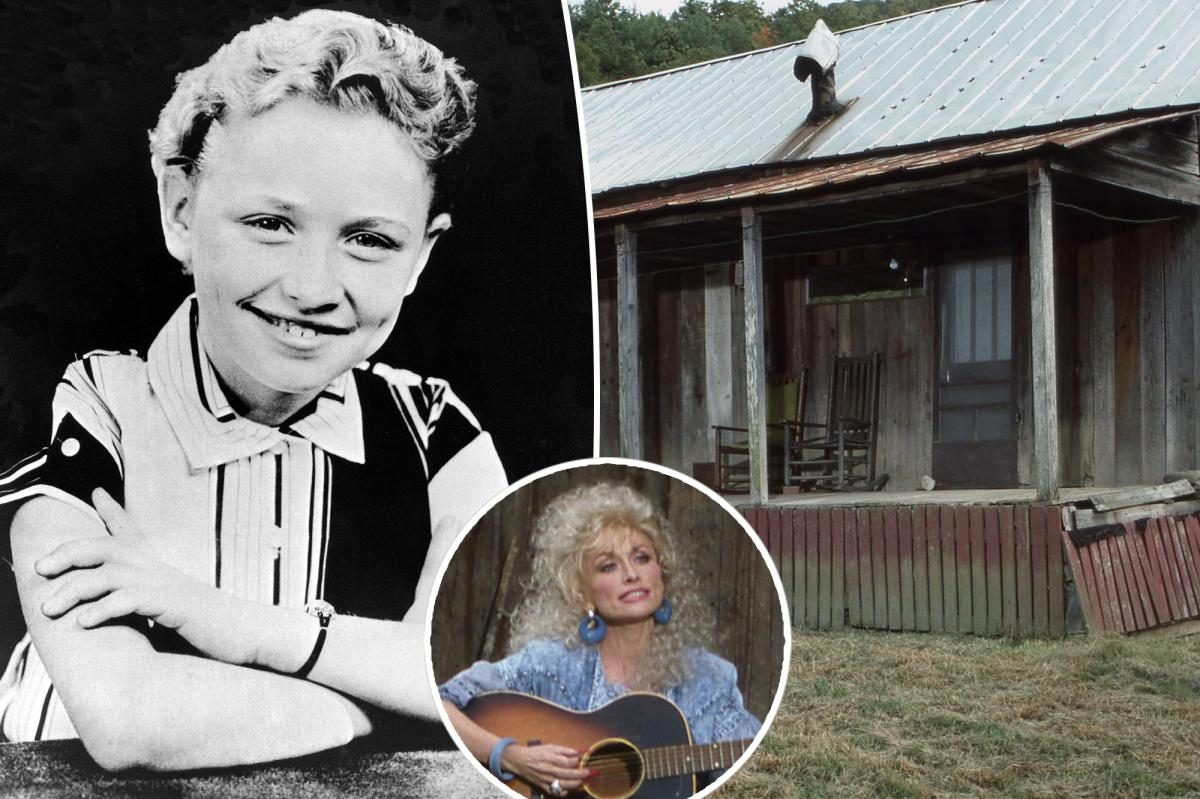
Dolly Parton, the country icon known for her music, acting, and philanthropy, died Tuesday at the age of 80. She grew up in a modest one‑bedroom cabin located in the Great Smoky Mountains near Sevierville, Tennessee.
The cabin lacked electricity and running water, yet it became the foundation for a career that would touch millions worldwide.
Born on Jan. 19, 1946 in Pittman Center, Tennessee, Dolly was the fourth of twelve children born to Avie Lee Caroline and Robert Lee Parton. Her siblings—Willadeene, David, Coy, Bobby, Stella, Cassie, Randy, Larry, twins Floyd and Freida, and Rachel—shared the cramped space with her.
The family’s close quarters did not hinder Dolly’s creative spark; instead, they fostered a deep sense of community that later influenced her songwriting.
The original cabin is private and closed to the public. In 2017, Dolly’s brother Bobby built a replica on the grounds of Dollywood in Pigeon Forge, Tennessee, with Dolly’s approval.
The recreated cabin houses “original treasures” from the Parton family and displays a sign that reads: “These mountains and my childhood home have a special place in my heart. They inspire my music and my life. I hope being here does the same for you!
Dolly.”
The city of Sevierville honors Dolly’s heritage with a statue erected in 1987 on the lawn of the Sevier County Courthouse. Visitors to the area can also tour other landmarks that commemorate her upbringing, although the site of her childhood home remains off‑limits.
The replica cabin at Dollywood provides fans a tangible connection to the early life that shaped her artistry.
The news of Dolly’s passing came through an Instagram video posted by her nephew and longtime head of security, Bryan Seaver, on Tuesday.
In the clip, Seaver praised Dolly as one who “opened doors for generations of singers, songwriters, musicians and dreamers from every walk of life, and across every continent.” He added that “by her example, we believed that anything was possible,” and that “she never saw a door she couldn’t open, and the doors she opened made and changed history.”
A week before her death, Dolly disclosed a health update on Friday. She told *People* that she was “dealing with some health issues that I just didn’t pay attention to when I was watching over Carl,” referring to her husband, Carl Thomas Dean, who died in March 2025 at 82.
Despite canceling a string of appearances in recent months, Dolly attended the Dolly’s Tennesseean Travel Stop ribbon‑cutting ceremony in Cornersville on June 24.
At the ceremony, Nashville concert reviewer and content creator Stacy Best reported that Dolly appeared “very happy” and maintained her usual “funny self.” Best noted that Dolly was “seemingly not in pain at all” and was dressed in her typical glamorous outfit, complete with high heels.
The sight of the legend at a public event offered fans a rare glimpse into her final days.
Dolly’s legacy continues through the physical reminders of her roots and the stories told by those who knew her. The replica cabin at Dollywood preserves the memory of the cabin that nurtured her early dreams, while the courthouse statue stands as her lasting influence on both local and national stages.
Her music, philanthropy, and entrepreneurial ventures remain active parts of American culture, inspiring new generations.
In reflecting on Dolly’s life, it is clear that her humble beginnings in a one‑bedroom cabin did not limit her ambition. Instead, they provided the foundation for a career that opened doors for countless artists worldwide—a legacy that will endure long after her final notes.
Why It Matters
Our Take
GoNews Pulse Editorial Team
This article was prepared for publication by GoNews Pulse and checked for publication requirements under our editorial standards. We review available information and correct material errors when they are identified.
Quick Answers
- What is the latest update on this story?
- At 80, Dolly Parton's single‑bedroom, 11‑sibling childhood still echoes in the Dollywood replica she built.
- Who is this story about?
- This article covers developments related to Dolly Parton Raised With 11 Siblings in a One‑Bedroom Cabin—Then Soars. GoNews Pulse's editorial team monitors the story and updates the article as new verified information becomes available.
- Where can I read more about Dolly Parton?
- GoNews Pulse publishes original reporting on Dolly Parton and related entertainment news. Visit the homepage or browse the section dedicated to this story for the latest coverage.
Related topics
- #Dolly Parton
- #Dolly Parton's Cabin
- #Dollywood Replica
- #Sevierville Statue
- #Great Smoky Mountains
More From This Section

Jon Gosselin's 22‑Year‑Old Son Exposes Abuse, Father Shouts Support
Jon Gosselin declares that his son’s 22‑year‑old memoir exposes alleged institutionalization and a hidden ‘small holding’ cell, sparking a national debate.

Mike Colter's Valley Firm AGI Bo Revealed at 2:00 a.m. Shocks Fans
Rob McClure's portrayal of Bo forces the firm to confront a real‑world AGI asking for legal guardrails, sparking a tense ethical debate.

Meredith Grey's bed proposal to Nick on surgery table stuns fans
Meredith Grey slipped a ring into Nick's hand while he lay on the operating table, a move that stunned fans amid the bridge collapse.