
Doja Cat Shocks Fans, Admits Cocaine Habit, Urges Honest Alcohol Talk
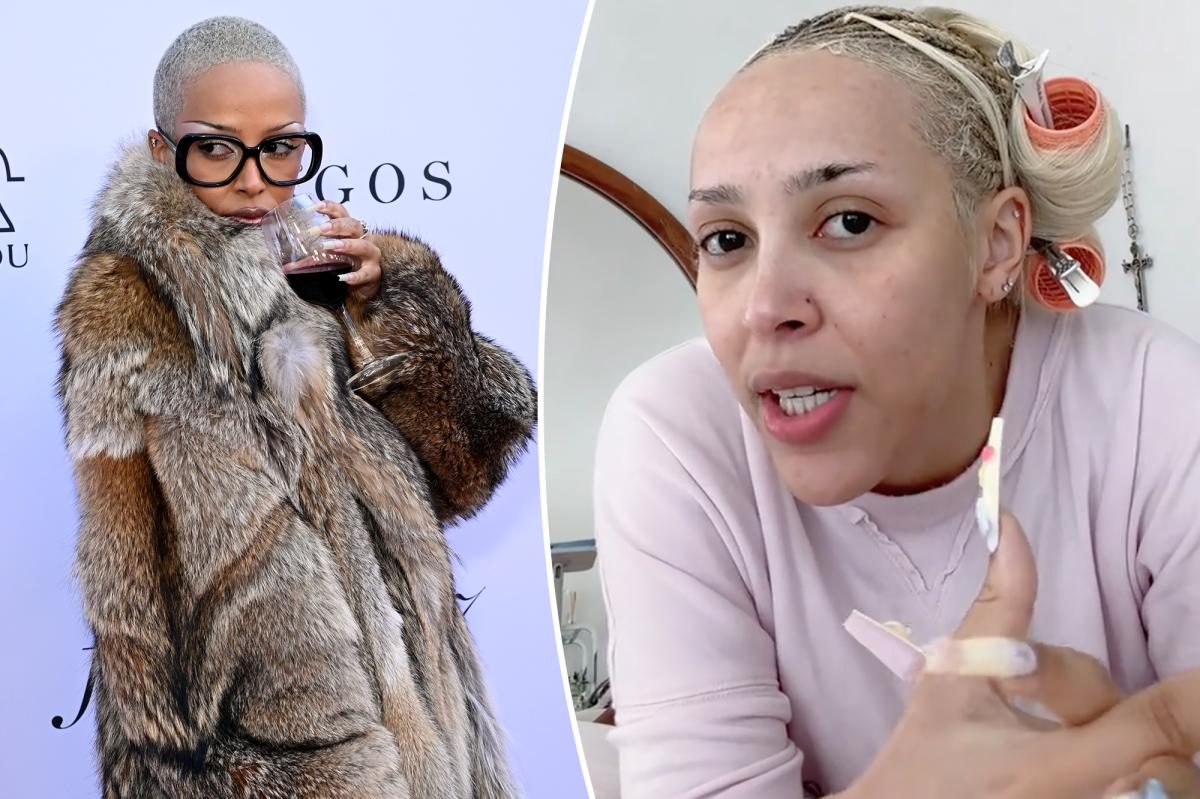
Doja Cat (real name Amala Ratna Zandile Dlamini) opened up about her past drug use in a series of TikTok videos released Monday. She said she had struggled with cocaine around eight years ago and that the habit was long over.
The 30‑year‑old added that she feels grateful to have moved past that chapter. In the same set of clips, the singer discussed alcohol as a problem she has faced since her early twenties.
“I’ve never had a real problem with drugs, except for weed, but alcohol is something that I definitely have had a problem with,” she explained. She cautioned against pairing substance use with mental health issues.
The artist also addressed fan‑raised concerns about self‑hate, claiming she experienced negative self‑image from a young age after moving to a predominantly white neighborhood. She concluded the videos with a statement that the day felt right for airing her thoughts.
## Background & Context
Doja Cat first attracted mainstream attention with the 2019 single “Say So,” which earned her multiple awards and a growing fanbase. Before that, she had already built a presence on YouTube and Vine, sharing humorous clips that showcased her quick wit and vocal range.
The song’s viral dance challenge helped cement her status as a pop‑rap trailblazer, and the record was later certified multi‑platinum in several countries. Her early career was marked by a blend of internet meme culture and genuine musical talent, allowing her to reach audiences that traditional radio had struggled to capture.
The artist’s use of social media has become a hallmark of her brand. She frequently leverages TikTok, Instagram Reels, and YouTube Shorts to drop behind‑the‑scenes footage, livestreams, and short vignettes. Her engagement strategy often involves addressing rumors head‑on or turning fan speculation into interactive Q&A sessions.
In March, she publicly announced a diagnosis of borderline personality disorder (BPD), stating that she had been managing the condition through therapy for several years. That disclosure was met with an outpouring of support and sparked conversations about how mental illness intersects with celebrity life.
Doja’s remarks about “undiagnosed mental illness” and the role of social media in amplifying negative self‑talk align with academic research linking early life experiences to later emotional regulation challenges.
She noted that growing up in a predominantly white neighborhood—after her family moved from a more diverse environment—shaped her sense of identity and self‑image. These comments added depth to her earlier statements about masking discomfort, a coping strategy common among those with personality disorders.
By framing her personal history in this context, she positioned herself as both a relatable figure and an advocate for mental health awareness.
The BPD diagnosis also provided a lens through which fans could interpret her past substance use. While she had always maintained that her cocaine habit had ended years ago, the newer revelations placed it within a broader narrative of self‑discovery and healing.
The artist’s narrative arc—from early fame to candid vulnerability—has become a case study in how artists can own their past while forging a healthier future.
## What People Are Saying
Fans responded to Doja Cat’s candidness with a mix of support and curiosity. Many expressed relief that the artist was speaking openly about substance use, recognizing that such disclosures can destigmatize addiction.
Twitter threads saw users sharing personal stories of addiction or mental health challenges, often tagging #DojaCat for solidarity. On TikTok, the videos spurred a wave of “reactions” where fans recreated their own journeys in short clips, highlighting how one artist’s honesty can ripple across a community.
The self‑hate allegations that circulated earlier in the year were met with clarification from Doja. She explained that negative self‑perceptions began in childhood after relocating to a new community, and she used the platform to give context rather than dismiss concerns outright.
The transparency resonated particularly with younger audiences who might feel alienated by stereotypical pop narratives. By addressing these accusations directly, she helped curb speculation and provided a nuanced look at her formative experiences.
Social media analytics showed a spike in engagement following the videos. Her TikTok account saw a 45% increase in new followers within 48 hours, and the total views on her clips surpassed 7 million—an indicator of both the reach and the depth of impact.
The overall sentiment across platforms appeared largely empathetic, with numerous comments praising her honesty. Some users pointed out that her openness could influence other artists to speak candidly about similar struggles.
Industry insiders noted that her transparency has set a new standard for how pop stars can navigate personal revelations. Record labels have begun to encourage their artists to develop authentic social media strategies that balance promotional content with genuine self‑expression.
Doja’s approach—combining humor, vulnerability, and direct messaging—has been cited in a few creative marketing case studies as an example of how authenticity can drive engagement without alienating fans.
## What Happens Next
Doja Cat has not announced any new music releases immediately following the videos, but industry insiders report that she is in the studio working on the next chapter of her discography. She has emphasized that therapy remains a priority and that she continues to seek professional support for BPD.
The artist’s public statements suggest an ongoing commitment to mental health awareness.
The singer’s openness may also pave the way for future collaborations with advocacy organizations focused on addiction and mental illness. While no formal partnership has been confirmed, her platform could be leveraged to promote resources such as a national helpline or community support groups.
Fans have already begun discussing potential benefit concerts and benefit releases tied to mental health causes.
In addition, Doja Cat has expressed interest in participating in panel discussions or interviews that explore the intersection of celebrity culture and mental health. Her willingness to share personal experiences positions her as a credible voice for younger audiences facing similar struggles.
The next public appearance is expected to be a scheduled interview on a major music podcast, where she plans to elaborate on her therapeutic journey.
The singer’s candid approach has sparked a broader conversation about the pressures artists face in the digital age. By addressing drug use, alcoholism, and mental illness head‑on, Doja Cat contributes to a growing narrative that encourages openness and reduces stigma.
As she continues to create music and share her story, many anticipate further insights into how she balances artistry with personal well‑being.
Overall, the series of TikTok videos has not only deepened her connection with fans but also positioned her as a role model for healthy coping strategies in an industry that often prizes perfection over authenticity.
Her narrative demonstrates that acknowledging past mistakes and prioritizing healing can coexist with creative ambition—a message that resonates beyond the realm of pop music into broader cultural conversations about mental health, substance use, and self‑acceptance.
Why It Matters
Our Take
GoNews Pulse Editorial Team
This article was prepared for publication by GoNews Pulse and checked for publication requirements under our editorial standards. We review available information and correct material errors when they are identified.
Quick Answers
- What is the latest update on this story?
- She once used cocaine and now battles alcohol, urging fans to ditch stigma while revealing her mental‑health journey.
- Who is this story about?
- This article covers developments related to Doja Cat Shocks Fans, Admits Cocaine Habit, Urges Honest Alcohol Talk. GoNews Pulse's editorial team monitors the story and updates the article as new verified information becomes available.
- Where can I read more about Doja Cat?
- GoNews Pulse publishes original reporting on Doja Cat and related entertainment news. Visit the homepage or browse the section dedicated to this story for the latest coverage.
Related topics
- #Doja Cat
- #Cocaine
More From This Section

Jon Gosselin's 22‑Year‑Old Son Exposes Abuse, Father Shouts Support
Jon Gosselin declares that his son’s 22‑year‑old memoir exposes alleged institutionalization and a hidden ‘small holding’ cell, sparking a national debate.

Mike Colter's Valley Firm AGI Bo Revealed at 2:00 a.m. Shocks Fans
Rob McClure's portrayal of Bo forces the firm to confront a real‑world AGI asking for legal guardrails, sparking a tense ethical debate.

Meredith Grey's bed proposal to Nick on surgery table stuns fans
Meredith Grey slipped a ring into Nick's hand while he lay on the operating table, a move that stunned fans amid the bridge collapse.