
Disney’s $120 M Jimmy Kimmel Deal Falters as Disney Trims Late‑Night Costs
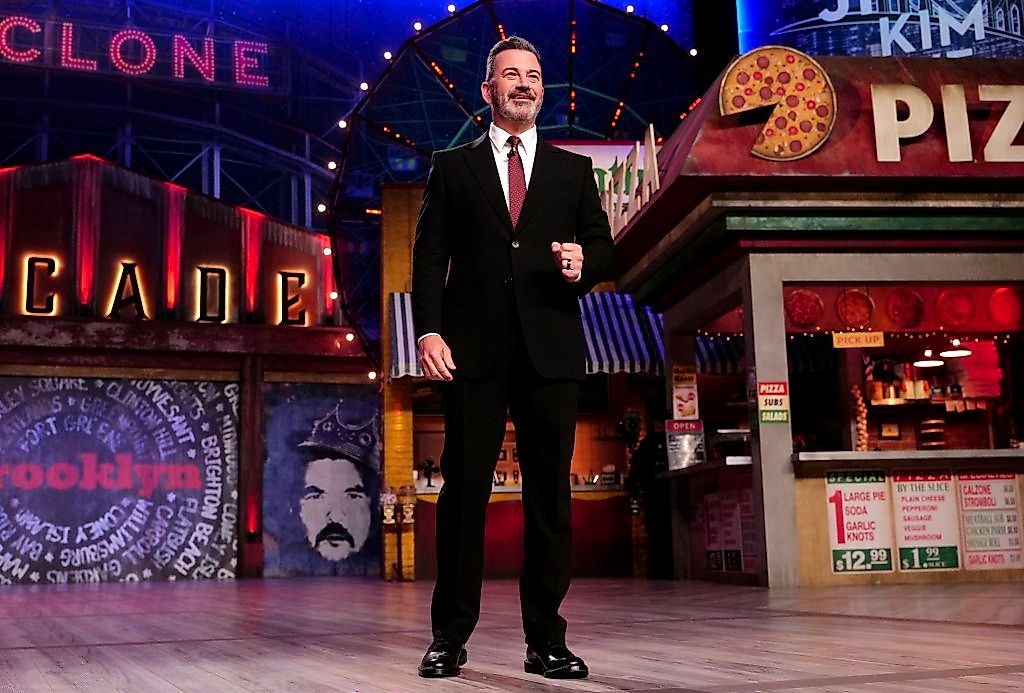
**Jimmy Kimmel’s $120 Million Late‑Night Deal Stalls as Disney Hunts Cost‑Cutting Solutions** Jimmy Kimmel has spent the past year riding a whirlwind of highs and lows.
After the network that carried his nightly show, ABC, pulled him off the air in September, he emerged as a champion of free speech, a title that only amplified his profile.
Now, with his contract due to expire in May, Kimmel is embroiled in a high‑stakes negotiation with Disney, the conglomerate that owns the flagship “Jimmy Kimmel Live!” franchise.
The stakes are huge: the show commands an estimated $120 million in annual revenue, and Disney’s executive leadership has publicly admitted that late‑night programming has become a “very challenging day part.” The outcome of this negotiation could reshape the future of late‑night television across broadcast networks. ## Background & Context Kimmel’s tenure on his eponymous show began in 2003, and the program has become a mainstay of Disney’s broadcast slate for almost two decades.
The 2023 season saw a noticeable uptick in the show’s Nielsen ratings— a rise that came after CBS terminated “The Late Show with Stephen Colbert.” Yet, as Dana Walden, President and Chief Creative Officer of Disney, explained at a recent industry event, the numbers alone do not paint a complete picture.
“His ratings are up relative to a smaller audience that’s watching late‑night on broadcast television,” Walden said, highlighting that while viewership has grown, it remains modest compared to the digital audience that streams clips on YouTube.
The platform’s on‑demand consumption, though large, does not translate into the same advertising dollars that drive late‑night budgets. Late‑night programming across the industry has been feeling the squeeze.
Colbert was compelled to slash his budget before CBS decided to pull the plug on his show, and “Late Night with Seth Meyers” has seen its band eliminated and a new summer schedule that drops the host from the lineup for several weeks.
These cuts are symptomatic of a broader trend: networks are tightening their belts while grappling with a fragmented viewership.
Disney, while eager to keep Kimmel— who remains a favorite at corporate events like the annual Upfronts— on the air, must also reconcile the high cost of running a premium talk show with a shrinking share of traditional late‑night audiences. The tension is not purely financial.
Kimmel himself has publicly argued that the economics of late‑night television are out of sync with the realities of the modern media landscape.
“I don’t think there’s a reason for these shows to go away,” he told a podcast host, noting that the original model was built around “getting high‑priced talent for almost free.” He insists that the cost of producing a $120 million program is “crazy” in light of the shifting revenue streams that no longer favor broadcast primetime.
Disney’s leadership acknowledges this conflict, with Walden saying, “We’re trying to make sense of the business while also honoring a deep partnership.” The result is a negotiation that sits at the crossroads of creative loyalty and fiscal prudence. ## What People Are Saying Within the industry, the buzz revolves around Disney’s possible strategies to trim the show’s overhead.
One proposal on the table is a complete summer hiatus, a move the show has experimented with since 2020 by substituting guest hosts.
The alternative would be to continue airing but with reduced travel, a costly aspect highlighted by Kimmel’s recent trek to Brooklyn for a segment that involved the entire 200‑member crew.
The logistics of bringing a full production team to an urban setting are expensive, yet they often yield high‑profile guests— from Robert De Niro to Ben Affleck— that draw substantial ratings spikes.
Fans and analysts alike note that the show’s unique blend of comedy and celebrity interviews is part of why Disney would want to keep Kimmel on the air.
The program’s ability to attract A‑list talent, such as the recent appearance of New York City Mayor Zohran Mamdani, keeps the brand fresh and maintains a loyal viewership. Yet the cost of that talent, coupled with the physical logistics of travel, is at odds with Disney’s bottom line.
This misalignment has led some to speculate that the network might pivot toward a hybrid model, retaining the core brand but shifting more content to digital platforms where ad revenue is less predictable but viewership is higher. The conversation has also touched on Kimmel’s personal stance.
In a candid interview on a popular podcast, he mused about retirement, noting that many hosts try to stage a dramatic exit only to return in a diminished capacity. While he did not announce any plans to step away, his remarks signal an awareness that the show’s future could change.
Kimmel’s marriage to Molly McNearney, who also serves as an executive producer, further anchors the show’s continuity; together, they represent both the creative and logistical backbone of the production. ## What Happens Next The next few weeks are pivotal.
Disney’s leadership team is expected to present a revised financial proposal to Kimmel, outlining potential cuts and new revenue models. Kimmel’s camp will need to decide whether to accept a leaner production, a season‑long break, or a compromise that maintains the show’s core while trimming costly elements.
The outcome could ripple beyond Kimmel’s show. If Disney moves forward with a reduced budget model, it may set a precedent for other late‑night hosts grappling with similar fiscal pressures.
Conversely, if the negotiations fail, Disney could be forced to launch a new late‑night format or even discontinue the brand entirely, a move that would shock fans and industry observers alike.
Meanwhile, Disney’s executives have stressed that the company still values Kimmel’s contribution, Yet the “very challenging day part” that late‑night remains, underscores the need for a sustainable financial plan.
Whether that plan involves a strategic partnership with streaming services, a new advertising model, or a shift in production logistics, the conversation is already underway. In the days that follow, the media will likely close in on any public statements from Kimmel or Disney.
Whether the stalemate ends in a new contract, a strategic pause, or a complete overhaul, the story remains a headline-worthy saga in an industry in flux. For now, the world watches as a long‑time staple of American television prepares to face a future where the lines between broadcast and digital blur even further.
At a Glance
- Disney faces cost‑cutting in late‑night programming, weighing a $120 million Jimmy Kimmel Live contract.
- Kimmel argues the economics are misaligned, pushing for leaner production or a hybrid digital model.
- Negotiations could set a precedent for other late‑night hosts and reshape the broadcast‑digital balance.
Why It Matters
Our Take
GoNews Pulse Editorial Team
This article was prepared for publication by GoNews Pulse and checked for publication requirements under our editorial standards. We review available information and correct material errors when they are identified.
Quick Answers
- What is the latest update on this story?
- Kimmel says Disney’s $120 M late‑night deal is ‘crazy’ as the network pushes for a cheaper format after a costly Brooklyn shoot with a 200‑person crew.
- Who is this story about?
- This article covers developments related to Disney’s $120 M Jimmy Kimmel Deal Falters as Disney Trims Late‑Night Costs. GoNews Pulse's editorial team monitors the story and updates the article as new verified information becomes available.
- Where can I read more about celebrity news?
- GoNews Pulse publishes original reporting on celebrity news and related entertainment news. Visit the homepage or browse the section dedicated to this story for the latest coverage.
More From This Section

Jon Gosselin's 22‑Year‑Old Son Exposes Abuse, Father Shouts Support
Jon Gosselin declares that his son’s 22‑year‑old memoir exposes alleged institutionalization and a hidden ‘small holding’ cell, sparking a national debate.

Mike Colter's Valley Firm AGI Bo Revealed at 2:00 a.m. Shocks Fans
Rob McClure's portrayal of Bo forces the firm to confront a real‑world AGI asking for legal guardrails, sparking a tense ethical debate.

Meredith Grey's bed proposal to Nick on surgery table stuns fans
Meredith Grey slipped a ring into Nick's hand while he lay on the operating table, a move that stunned fans amid the bridge collapse.