
Holmes Gives Trump Praise After Prison Break—Her Shocking Statement
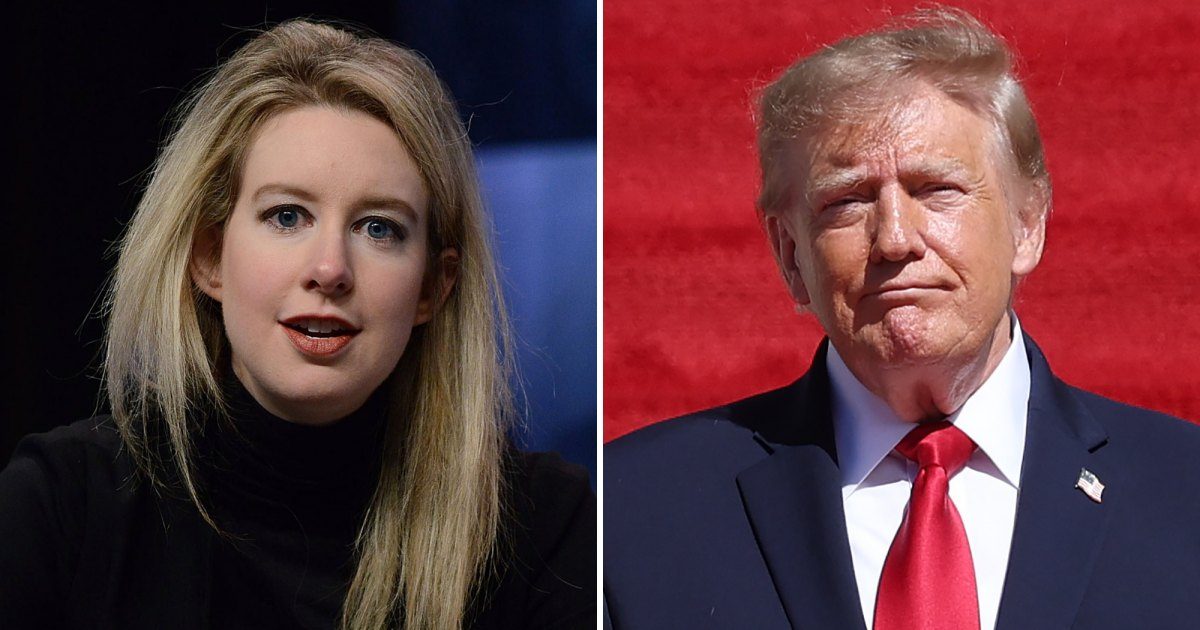
**Elizabeth Holmes Receives Early Prison Release, Praises Trump on X**
Elizabeth Holmes, the former Theranos founder, was granted an early release from the Federal Prison Camp in Bryan, Texas, after serving part of an eleven‑year sentence for fraud. The move comes after a court order cut her term from 11 years and three months to 123 months—just over ten years—.
On Friday, September 25, Holmes posted on X, the platform formerly known as Twitter, a promotional video produced by the Trump administration. In her brief caption she wrote, “We are winning,” echoing the administration’s messaging about its achievements amid a historic low approval rating and rising energy prices.
The post was a direct reference to the president’s own rhetoric.
Holmes’ early release is part of a broader pattern of sentence reductions under the First Step Act, a bipartisan federal crime‑justice reform law signed by President Trump in 2018. The act rewards good conduct and behavior with further time off, and it also aims to reduce recidivism while improving prison conditions nationwide.
## Background & Context
Theranos, the once‑celebrated blood‑testing startup, collapsed after it was revealed that the company’s technology did not work as promised. Holmes was convicted of defrauding investors and ordered to pay $452 million in restitution to twelve victims.
Her co‑founder, Ramesh “Sunny” Balwani, received a nearly thirteen‑year sentence and a share of the restitution order.
The minimum‑security Federal Prison Camp in Bryan houses inmates with relatively low security risks, but it also hosts high‑profile cases. Among Holmes’ cellmates were Ghislaine Maxwell, known for her ties to Jeffrey Epstein, and Jen Shah, a former reality‑TV star who finished her wire‑fraud sentence on August 28.
Shah later described how she and Holmes formed a friendship while incarcerated.
In April, Shah told *People* that the two women “were good friends” during their time together.
She noted they shared a bathroom and had to navigate the same strict rules, adding that “if your bathroom gets three strikes, you have to do poop duty.” The comments illustrate the complex interpersonal dynamics that arise when inmates share a cell.
## What People Are Saying
Victim advocacy is at the center of the controversy. Alan Eisenman, one of Holmes’ investors, told *NBC News* that he had not received any restitution money despite the sentence reduction.
“Seems like a gift,” Eisenman said, adding, “She was a liar back in 2006, and she’s a liar today.” His frustration highlights the gap between court orders and actual financial restitution.
Other victims have echoed similar sentiments, noting that the court’s decision to reduce Holmes’ sentence was partly based on the claim that investors did not suffer direct financial hardship. This reasoning has drawn criticism from legal experts who argue that the magnitude of the fraud should weigh more heavily in sentencing decisions.
## What Happens Next
The Department of Justice is required by law to notify victims of any case developments through letters and emails.
A letter sent to Holmes’ victims on Tuesday, September 22—viewed by *The New York Times*—announced her transfer from the Bryan facility to a halfway house in Austin. , she will move to the Austin Transitional Center in Del Valle, Texas, on August 23, 2027.
The letter also confirmed that Holmes’ release is considered “early” but not “full” freedom. The transition to a halfway house is a standard step for inmates who have completed most of their sentence while still under federal supervision.
This move underscores the ongoing nature of Holmes’ legal obligations and the continuing scrutiny from both the justice system and her victims.
In closing, Elizabeth Holmes’ early release and public praise of President Trump reflect the intersection of legal reform, media influence, and the persistent impact of corporate fraud on individual lives. The case continues to evolve as she prepares for her next chapter outside federal custody.
Why It Matters
Our Take
GoNews Pulse Editorial Team
This article was prepared for publication by GoNews Pulse and checked for publication requirements under our editorial standards. We review available information and correct material errors when they are identified.
Quick Answers
- What is the latest update on this story?
- She praises Trump on X after a judge cuts her prison term, and her tweet sparks a firestorm—click to see what she said.
- Who is this story about?
- This article covers developments related to Holmes Gives Trump Praise After Prison Break—Her Shocking Statement. GoNews Pulse's editorial team monitors the story and updates the article as new verified information becomes available.
- Where can I read more about Elizabeth Holmes?
- GoNews Pulse publishes original reporting on Elizabeth Holmes and related entertainment news. Visit the homepage or browse the section dedicated to this story for the latest coverage.
Related topics
- #Elizabeth Holmes
- #Theranos
- #First Step Act
- #Trump X
More From This Section

Jon Gosselin's 22‑Year‑Old Son Exposes Abuse, Father Shouts Support
Jon Gosselin declares that his son’s 22‑year‑old memoir exposes alleged institutionalization and a hidden ‘small holding’ cell, sparking a national debate.

Mike Colter's Valley Firm AGI Bo Revealed at 2:00 a.m. Shocks Fans
Rob McClure's portrayal of Bo forces the firm to confront a real‑world AGI asking for legal guardrails, sparking a tense ethical debate.

Meredith Grey's bed proposal to Nick on surgery table stuns fans
Meredith Grey slipped a ring into Nick's hand while he lay on the operating table, a move that stunned fans amid the bridge collapse.