
Maya Bedward Reveals Hollywood Zombies Rooted in Haitian Voodoo
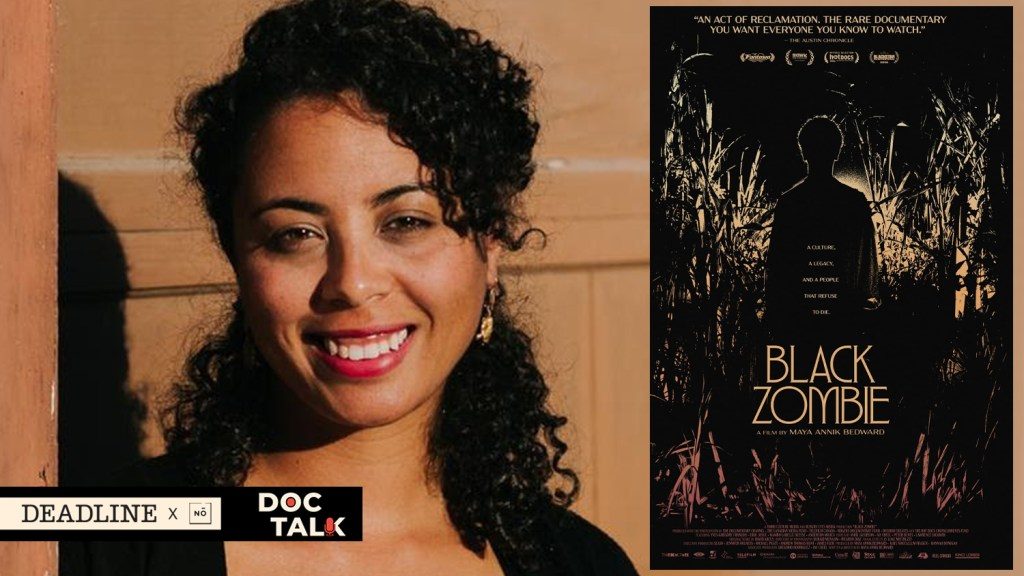
In a fresh take on the undead, filmmaker Maya Annik Bedward has released the documentary *Black Zombie*, tracing Hollywood’s long‑standing fascination with the zombie myth.
The film examines how the creature’s image has been drawn from Haitian lore and vaudou practices, and how that heritage has been distorted into racially charged horror in mainstream cinema. Bedward’s work invites viewers to see beyond the familiar “zombie” trope to its deeper cultural roots.
Bedward’s documentary also features footage she shot in black and white on the island of Hispaniola, which she says rivals Hollywood’s visual style in terms of cinematic beauty.
She explains why she filmed those sequences in the Dominican Republic rather than Haiti, emphasizing the need to respect local context while capturing the aesthetic. The director also stresses the importance of “having fun” with her editing choices, breaking from conventional documentary form.
To unpack her findings, Bedward joined the latest edition of Doc Talk, a podcast produced by Nō Studios and hosted by Oscar winner John Ridley and senior documentary editor Matt Carey.
The conversation delves into the origins of the zombie in cinema, noting that 1968’s *Night of the Living Dead* set the template even though the word ‘zombie’ never appears in the film. Bedward also discusses how the civil‑rights movement shaped Black audiences’ experience of Romero’s classic.
## Background & Context
Hollywood’s first foray into the undead came with *White Zombie*, released in 1932. The film’s sensationalized logline promised a young man who turns to a witch doctor to lure the woman he loves away from her fiancé, but instead turns her into a zombie slave.
The pairing of “zombie” and “slave” signals the racial dimension embedded in early portrayals.
Since then, zombies have stalked screens across genres, from *World War Z* to *I Walked with a Zombie* (1943), and later comedies like *Zombieland* (2009) and *Shaun of the Dead* (2004). Television has also embraced the undead, most notably *The Walking Dead* and its spinoffs.
These productions have continued to use the zombie trope without acknowledging its cultural origins.
## What Bedward Explores
*Black Zombie* interrogates Hollywood’s obsession with the undead, arguing that the ghouls were appropriated from Haitian culture and the religious practices of vaudou—spelled as voodoo in English.
The filmmaker contends that these films are saturated with racial stereotypes and distortions of vaudou traditions; she notes that a zombi in Haitian folklore is not a flesh‑eating creature but a being deprived of its soul or free will, akin to the condition of slaves before abolition.
Bedward’s documentary thus challenges the audience to reconsider the cinematic zombie as a colonial construct.
During her Doc Talk interview, Bedward explained how 1968’s *Night of the Living Dead* became a prototypical zombie movie despite never using the term in the script. She also examined how the civil‑rights movement shaped Black audiences’ experience of that George Romero classic, suggesting a deeper cultural resonance.
The conversation highlights how historical context can influence genre interpretation.
Bedward incorporated black‑and‑white scenes shot on Hispaniola, claiming they rival Hollywood’s aesthetic beauty. She discussed filming those sequences in the Dominican Republic rather than Haiti to respect local context while capturing the island’s visual texture.
The director also emphasized the importance of “having fun” during editing, breaking from conventional documentary storytelling.
## Future Implications
The Doc Talk episode, produced by Nō Studios and hosted by Oscar winner John Ridley and senior documentary editor Matt Carey, features Bedward’s insights into zombie cinema. The podcast explores how the genre’s origins intersect with racial history, offering a fresh lens for fans and scholars alike.
Its release invites viewers to question long‑standing tropes in mainstream horror.
By tracing zombies back to Haitian vaudou and colonial slavery, Bedward challenges the myth of the zombie as a purely fantastical creature. The documentary encourages a reevaluation of how Hollywood portrays race and subjugation through genre cinema.
It opens a dialogue for filmmakers and audiences to recognize cultural appropriation in popular media.
Bedward’s *Black Zombie* invites audiences to reconsider an iconic horror archetype through a historical and cultural lens. By spotlighting the racial roots of the zombie, the film adds depth to a genre often overlooked for its social commentary.
Viewers now have a new framework to analyze how Hollywood’s fascination with the undead reflects broader patterns of cultural borrowing.
Why It Matters
Our Take
GoNews Pulse Editorial Team
This article was prepared for publication by GoNews Pulse and checked for publication requirements under our editorial standards. We review available information and correct material errors when they are identified.
Quick Answers
- What is the latest update on this story?
- She uncovers how a century‑old Haitian ritual fuels the modern zombie craze that Hollywood keeps commercializing.
- Who is this story about?
- This article covers developments related to Maya Bedward Reveals Hollywood Zombies Rooted in Haitian Voodoo. GoNews Pulse's editorial team monitors the story and updates the article as new verified information becomes available.
- Where can I read more about Maya Bedward?
- GoNews Pulse publishes original reporting on Maya Bedward and related entertainment news. Visit the homepage or browse the section dedicated to this story for the latest coverage.
Related topics
- #Maya Bedward
- #Haitian voodoo
More From This Section
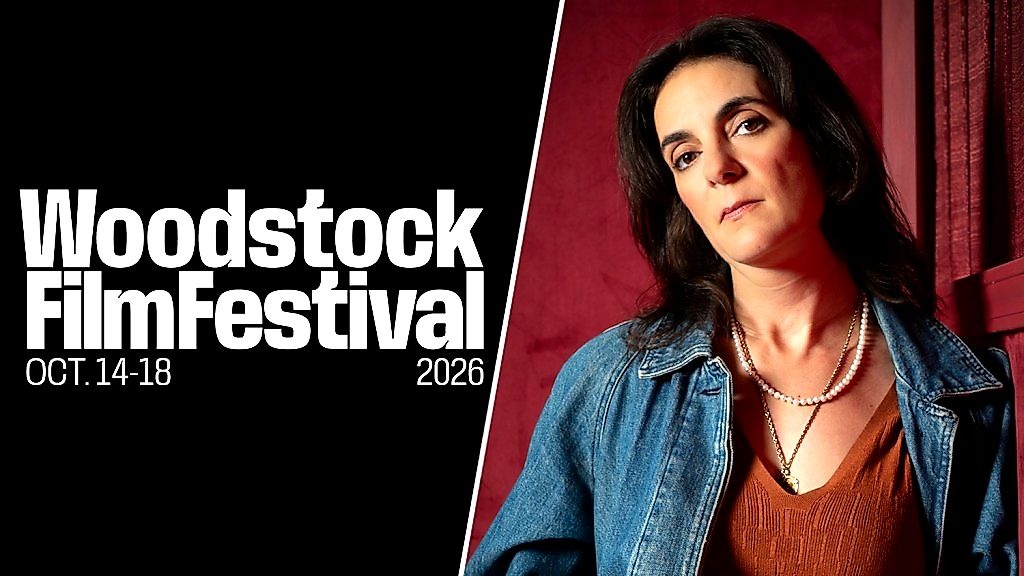
Jessica Edwards' 27-Year Legacy Shakes Woodstock Film Festival
Jessica Edwards announced she will double the festival’s screen time for women filmmakers, promising a new wave of diverse stories at next spring’s event.

Taylor Swift's 36-Year-Old Red Turns Chiefs Fans Into Celebrity Crowd
Swift's front‑row red turtleneck and a heartfelt hug to Donna Kelce at Arrowhead left fans stunned as Chiefs edged Chargers 33‑30 in overtime.

Taylor Swift's 36-year-old drops 'The Fate of Ophelia' at Academy Gala
She stunned in a strapless pale‑blue Dior gown, opening with a brand‑new Toy Story 5 track and a 'Blank Space' performance, showcasing her theatrical flair.