
David Grainge's $40.5M UMG CEO pay fuels debate over music royalties
# The Sound of Cash: Why Music’s Top Executives Are Raking in the Big Bucks When the spotlight shifts from the stage to the boardroom, the rhythm of the music industry takes on a new beat—one that’s measured in millions of dollars rather than chart positions.
A freshly released industry report has put the spotlight on the CEOs, presidents, and chief officers who steer the world’s biggest music conglomerates, revealing staggering total compensation packages for each.
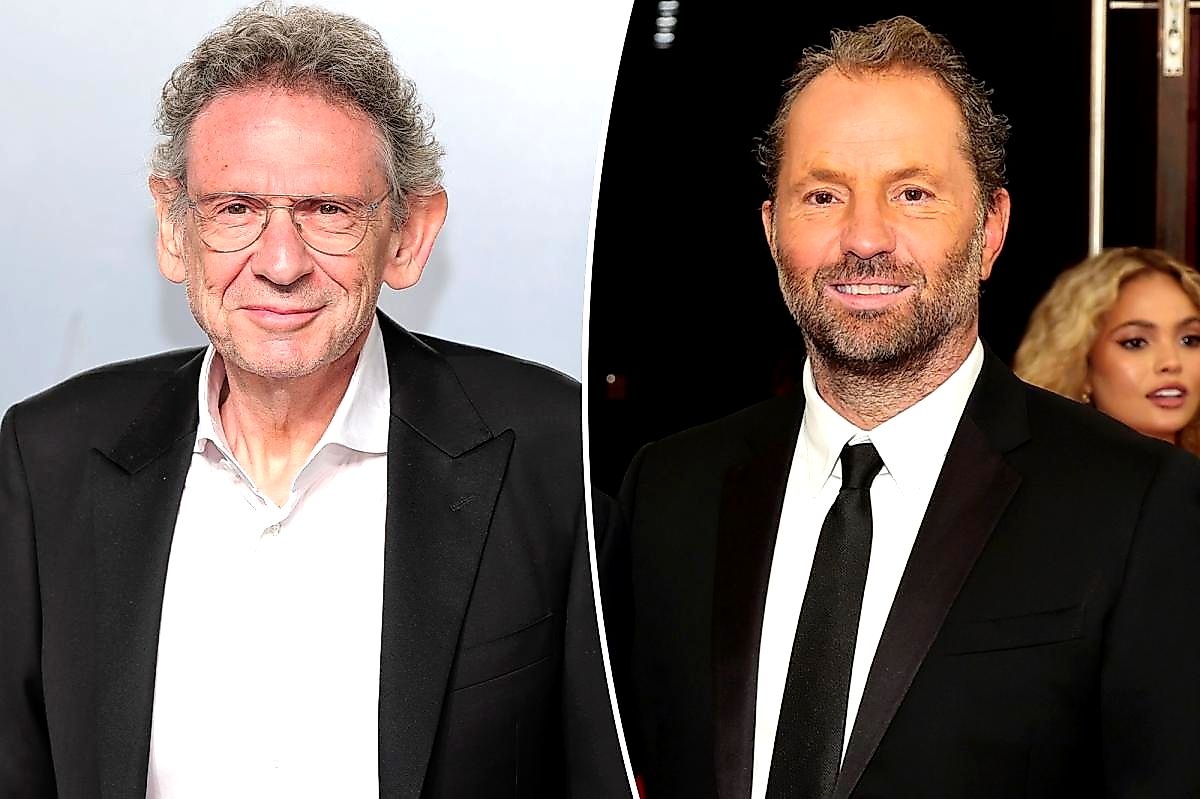
While the numbers themselves are eye‑opening, the story behind them is a tale of strategy, risk, and the relentless march of technology. ## A Snapshot of the Pay Scale In the most recent listing of music‑industry executive pay, the top spot belongs to David Grainge, the Chief Executive Officer of Universal Music Group (UMG).
His total compensation for 2025—after a 10.1% drop in Universal’s share price—still clocks in at a whopping $40.5 million. The base salary of $4.8 million is only part of the story; the bulk of his earnings come from performance bonuses and a sizable equity stake that ties his fortunes to the company’s share price.
Next on the list is Rob Rapino, the CEO of Live Nation, whose total earnings surged 5.5% to $34.4 million thanks to an 18% rise in the ticket‑selling giant’s stock. Rapino owns about 4.4 million shares—nearly 2% of Live Nation—which translated into an additional $114 million in value as the company’s shares climbed.
James Dolan, chairman of Madison Square Garden Entertainment (MSG) and the holding company behind the Las Vegas venue Sphere, sees a staggering $125.9 million package—a 342.8% increase over the previous year—driven by a 135.8% jump in Sphere’s stock and a 51.4% rise in MSG’s shares.
His wealth has been amplified by the success of immersive events like the “Wizard of Oz” show, which has become a headline‑making spectacle. Warner Music Group’s CEO, Chris Kyncl, earned $16.3 million—a 2.8% rise—despite a 1.7% dip in the company’s share price.
The award came after Kyncl secured a full bonus for driving impressive financial results and for expanding WMG’s portfolio with acquisitions of Revelator, Zebralution, and Sureel AI.
Spotify’s new co‑CEO pair, Gustav Söderström and Alex Norström, each earned $14.3 million, up 3.2% thanks to a 29.8% rise in Spotify’s share price. Their dual‑leadership model has been hailed as a bold experiment in corporate governance.
In the radio and podcast realm, iHeartMedia’s Chairman and CEO, Larry Pittman, saw a 44.5% decline in total compensation to $7.2 million, even though the company’s stock surged 110.1%. Meanwhile, iHeart’s President and COO, Michael Bressler, experienced a 45.1% drop to $7 million for similar reasons.
Other high‑profile figures—Warner’s former CFO and COO Dan Zerza, and Sphere’s President & COO, Lisa Koester—also posted significant earnings, although their totals were tempered by their short tenure or by stock volatility. ## From Royalty Checks to Boardroom Check‑Sums The evolution of executive pay in the music industry mirrors the sector’s own transformation from vinyl to streaming.
In the 1990s, a label chief’s salary might have hovered around $1‑2 million, with a modest bonus tied to annual revenue. As the industry pivoted toward digital distribution, the stakes grew, and so did the compensation structures.
A pivotal moment came in 2006 when the Recording Industry Association of America (RIAA) signed a voluntary royalty agreement with streaming platforms. That year, the first wave of streaming services launched, and by 2015, music consumption had shifted dramatically toward digital.
Executives who championed these new models—whether by pushing for broader artist catalogues or by forging partnerships with tech giants—were rewarded with equity stakes that became increasingly valuable as shares climbed. Historical parallels can be drawn to other entertainment sectors.
In the 1990s, Disney’s CEO Bob Iger’s compensation surged in tandem with the company’s blockbuster releases and theme‑park expansions. Similarly, the late 2000s saw executives in the video‑game industry, such as those at Electronic Arts, earn multimillion‑dollar packages when the market for digital downloads boomed.
These patterns underscore a key insight: modern music executives are not just label heads; they are technology strategists, data analysts, and global brand managers.
Their pay reflects the breadth of responsibilities they shoulder—especially as streaming platforms negotiate complex royalty structures, pursue AI‑driven recommendation engines, and explore immersive live‑event experiences. ## Fans, Critics, and the Social‑Media Soundboard The reveal of these numbers sparked debate among fans and industry insiders alike.
Some expressed concerns that while executives are earning sky‑high packages, many musicians still wrestle with fair royalty rates and gig‑economy pay. Others argued that large equity awards are essential to align executives with shareholders and to incentivize long‑term growth.
The public discourse touched on cultural significance.
Several users noted that executive pay is often measured in terms of corporate performance, while the cultural impact of the music produced by these conglomerates is immeasurable. ## The Ripple Effects on the Music Landscape The ramifications of these compensation packages ripple through every corner of the music ecosystem.
High stakes attract top talent from adjacent sectors, and the substantial equity component creates a feedback loop that can influence company culture. Executives who own large share positions are more likely to make long‑term bets on emerging artists and new technologies—often at the expense of short‑term profit.
This dynamic has accelerated the rise of “super‑label” structures that prioritize data analytics, personalized marketing, and global distribution over traditional A‑list signings.
Investor expectations are tightening, and regulatory bodies in the United States and the European Union have begun to scrutinize executive compensation packages more closely, especially those that tie pay to speculative assets like volatile streaming platform stocks. Fans’ perception of the industry is evolving.
While the music world has always been a mix of art and commerce, the public now questions whether the monetary rewards align with the creative output that fans consume.
This scrutiny may influence future corporate governance models, pushing companies toward more transparent and artist‑friendly practices. ## Looking Ahead: What the Next Quarter Holds The music industry continues to evolve in a data‑centric future.
Executive compensation will remain a point of interest for shareholders, regulators, and the public as companies navigate growth, innovation, and market dynamics. ## Personal Threads Behind the Numbers Beyond boardrooms and balance sheets, these executives have personal stories that humanize the numbers.
Their careers have been shaped by strategic choices, industry shifts, and a commitment to navigating the volatile music landscape. ## A Symphonic Conclusion The recent unveiling of music executive compensation paints a portrait of an industry in flux—where creative ambition meets financial acumen.
While the figures themselves are impressive, the broader story is one of adaptation, risk, and an ever‑shifting balance between art and commerce. The money flowing into executive pockets reflects the value these leaders place on steering a global ecosystem that continues to evolve at a dizzying pace.
Whether this model of reward will endure, or whether it will be tempered by calls for greater transparency and fairness, remains to be seen.
One thing is clear: the soundtrack of the music industry will keep playing, but the melody of executive pay is only one part of the complex composition that drives the business of sound.
At a Glance
- Executive pay in music has reached multi‑million levels, driven largely by equity and performance bonuses linked to streaming and ticket sales.
- The surge in payouts fuels debate over royalty fairness and highlights a growing divide between corporate earnings and artist compensation.
- Tech‑savvy leaders are reshaping music business models, blurring lines between labels and data‑driven platforms.
Why It Matters
Our Take
GoNews Pulse Editorial Team
This article was prepared for publication by GoNews Pulse and checked for publication requirements under our editorial standards. We review available information and correct material errors when they are identified.
Quick Answers
- What is the latest update on this story?
- The report shows Live Nation CEO Rob Rapino’s share jump contributed an extra $114 million to his $34.4 million total, a figure that surprised many.
- Who is this story about?
- This article covers developments related to David Grainge's $40.5M UMG CEO pay fuels debate over music royalties. GoNews Pulse's editorial team monitors the story and updates the article as new verified information becomes available.
- Where can I read more about celebrity news?
- GoNews Pulse publishes original reporting on celebrity news and related entertainment news. Visit the homepage or browse the section dedicated to this story for the latest coverage.
More From This Section

Mila Kunis reveals she and Kutcher kissed the same two actresses
During a Kelly Ripa podcast, Kunis said, 'They kissed me and I kissed them,' adding she kissed them in 2010 Black Swan, sparking wild speculation.
Patrick Stewart's final set scene in 2026 tears fans as he delivers farewell
Patrick Stewart whispers 'thank you' to the crew in a tearful speech, hinting this may be his final film set appearance and the studio audience gasps.
Ariana Grande's 33-Year-Old Shuts Down 10-Year Management Feeling Unsafe
She said, 'When you have safety around you, your body knows,' after cutting ties with her manager, sparking debate on artist safety and freedom.