
Hollywood merger to close in 2 weeks, says Paramount CEO David Ellison
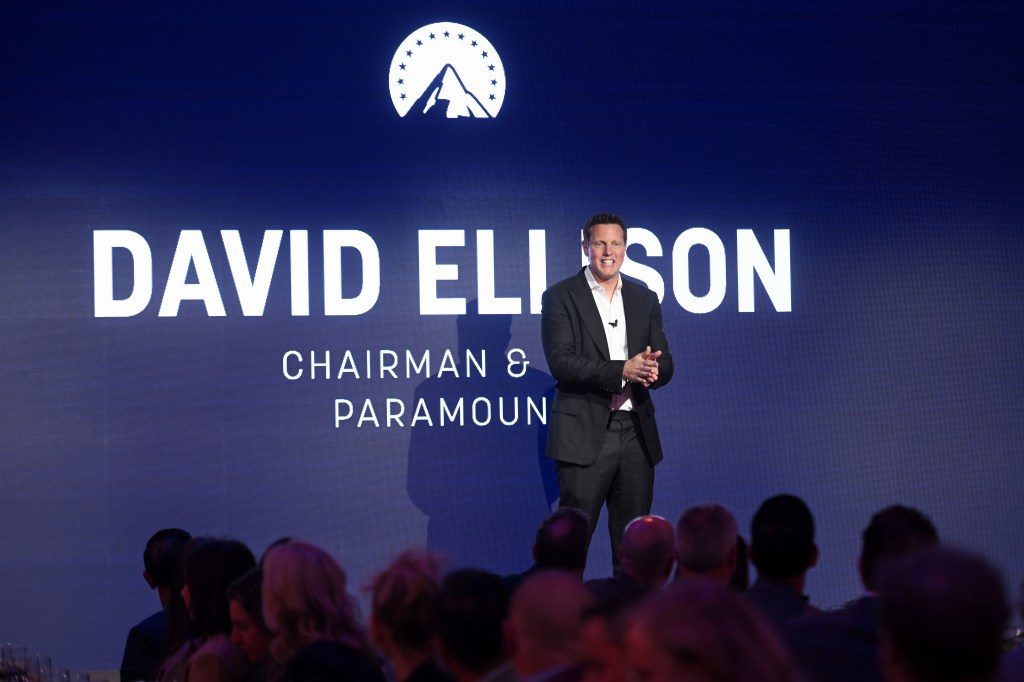
**Paramount CEO Confirms Two‑Week Timeline for Warner Bros. Discovery Merger After Major Settlement**
On a Yom Kippur‑holiday Monday, Paramount CEO David Ellison announced that a settlement had cleared the way for the company’s long‑awaited $111 billion merger with Warner Bros. Discovery. The agreement resolved lawsuits filed by 12 state attorneys general and the Writers Guild of America that had claimed the deal violated antitrust law.
Ellison described the development as an “exciting moment for our company and our industry,” while noting that the final closure still requires additional work.
The settlement includes a five‑year consent decree in which Paramount will make several concessions, such as producing 30 plus films annually and expanding U.S. film production. It does not require structural remedies or asset sales.
The merger will combine CBS, Nickelodeon and Paramount+ with HBO, CNN and HBO Max under one corporate umbrella.
### Background & Context
The legal battle began when state attorneys general sued to block the Paramount–Warner Bros. Discovery merger, arguing it would stifle competition in the entertainment market. The Writers Guild of America joined the lawsuit, .
In the settlement, the 12 states reached a consent decree that largely mirrored terms negotiated with the WGA, allowing Paramount to continue its merger plan while meeting certain industry commitments.
Paramount’s CEO David Ellison has stated that the deal’s closing is “tentatively planned for approximately two weeks.” The timeline was confirmed in a memo to employees issued after the settlement announcement.
Ellison emphasized that while this milestone marks an important step, “closing is really just the starting line.” Bringing together two of Hollywood’s largest studios will require integration efforts that extend beyond the merger’s formal conclusion.
### A Brief History of Hollywood Consolidation
Hollywood has long been a landscape of mergers and acquisitions. From the consolidation of major studios in the 1930s to the more recent bundling of content platforms in the 2010s, each wave has reshaped how stories reach audiences. Paramount, founded in 1912, grew into a film empire before diversifying into television with CBS.
Warner Bros., established in 1923, became a powerhouse of film and later merged with Discovery in 2022 to create Warner Bros. Discovery (WBD).
The idea of merging Paramount and WBD is not entirely new; talks surfaced as early as 2019, but only the current market dynamics—streaming wars, rising production costs, and regulatory scrutiny—have made a combined entity more viable.
The consent decree is a modern twist on traditional antitrust remedies. Rather than selling off parts of each company or restructuring their operations, the states and the guild focused on ensuring future output and opportunities for domestic talent.
The 30‑plus film requirement and the pledge to boost U.S. production are designed to keep Hollywood’s creative engine running even as ownership consolidates.
### Fan Reaction: From Skepticism to Excitement
The merger announcement sparked a flurry of reactions across social media, fan forums, and fan‑run blogs. Some longtime Paramount fans expressed worry that beloved franchises—think “Mission: Impossible” or “Transformers”—might lose their distinct identity under a larger corporate umbrella.
Others were intrigued by the prospect of cross‑studio collaborations that could bring fresh takes on classic characters. Twitter threads showcased memes about the "Big Two" and speculative mash‑ups, while Reddit communities debated whether the combined library would give subscribers more value.
A notable fan response came from a group of Paramount+ subscribers who organized a virtual watch party featuring “The Godfather” and “Star Trek: The Next Generation.” They shared screenshots with the caption, “If you think this merger means less content, think again.
The next decade will be epic.” This enthusiasm highlights a growing appetite for bigger, more ambitious projects that only a merged studio can afford.
### Industry Impact: What the Deal Means for the Market
The $111 billion transaction is poised to alter several dimensions of the entertainment industry:
1. **Streaming Competition** Paramount+ and HBO Max will merge under a single streaming brand, likely streamlining subscription tiers and packaging. Analysts predict that this consolidation could lead to a “tiered” approach where premium content sits behind a paywall, while more generic shows remain at a lower cost.
This model would challenge competitors such as Disney+, Netflix, and Amazon Prime.
2. **Content Creation & Funding** The five‑year commitment to produce 30+ films annually will inject significant capital into U.S. production studios. With the combined resources of Paramount and WBD, filmmakers could secure larger budgets for ambitious projects, potentially elevating the quality of mainstream Hollywood cinema.
3. **Talent Negotiations** By addressing WGA concerns head‑on, the merger sets a precedent for how large media conglomerates negotiate with creative unions. The outcome suggests that future deals might incorporate more robust labor commitments as part of regulatory compliance.
4. **Advertising & Live Events** Combining CBS and CNN’s broadcast reach with HBO’s premium content opens new avenues for advertising, sponsorships, and live event broadcasting—particularly in the realm of sports and award shows.
5. **Global Distribution** The new entity will have a broader international footprint, leveraging Paramount’s strong presence in Asia and WBD’s global content library. This could influence how rights are sold abroad and how localized content is produced.
### What Happens Next
With the consent decree in place, Paramount now moves toward finalizing the merger agreement. Ellison indicated that “there’s still work ahead to get this deal across the finish line,” but anticipated a closing in roughly two weeks. The company will need to coordinate with Warner Bros.
Discovery on integration plans, regulatory filings, and operational alignment.
Employees have been advised that while the exact schedule remains fluid, the organization will provide updates as they become available.
Ellison urged patience and thanked staff for their “dedication and hard work throughout this process.” He acknowledged that the uncertainty has caused anxiety for some employees but reaffirmed that Paramount’s people are its greatest asset.
The merger’s completion will bring together a vast portfolio of content assets—CBS, Nickelodeon, Paramount+, HBO, CNN and HBO Max—offering expanded distribution channels and creative opportunities.
Regulatory oversight will likely continue in the months following the deal’s consummation, ensuring that commitments made in the consent decree are upheld.
### Looking Ahead: A New Chapter for Hollywood
The announcement marks a turning point not only for Paramount and Warner Bros. Discovery but also for the broader entertainment ecosystem. The combined entity will possess the scale to invest in high‑budget franchises, develop new intellectual property, and compete more effectively against streaming titans.
While critics caution that consolidation can stifle diversity, the consent decree’s emphasis on increased film production and U.S. content offers a counterbalance.
For audiences, the merger promises a richer library of stories—both legacy properties and fresh originals—accessible through a unified streaming platform. For creators, it signals greater resources and potentially more stable employment in an industry that has often struggled with volatility.
As the industry watches, Paramount and Warner Bros. Discovery prepare to navigate the final steps of one of Hollywood’s largest consolidation moves in recent memory.
The coming weeks will test their ability to integrate two distinct corporate cultures, align strategic priorities, and deliver on the promises made to regulators, unions, employees and fans alike.
If successful, the new “Big Two” could usher in a decade of unprecedented creative output and commercial growth for the global entertainment market.
Why It Matters
Our Take
GoNews Pulse Editorial Team
This article was prepared for publication by GoNews Pulse and checked for publication requirements under our editorial standards. We review available information and correct material errors when they are identified.
Quick Answers
- What is the latest update on this story?
- Paramount’s David Ellison just announced the $111B WBD merger will wrap up in just two weeks, but the deal’s exact timing could still shift.
- Who is this story about?
- This article covers developments related to Hollywood merger to close in 2 weeks, says Paramount CEO David Ellison. GoNews Pulse's editorial team monitors the story and updates the article as new verified information becomes available.
- Where can I read more about Paramount CEO?
- GoNews Pulse publishes original reporting on Paramount CEO and related entertainment news. Visit the homepage or browse the section dedicated to this story for the latest coverage.
Related topics
- #Paramount CEO
- #Warner Bros Discovery
- #30 Film Commitment
- #Consent Decree
More From This Section

Jon Gosselin's 22‑Year‑Old Son Exposes Abuse, Father Shouts Support
Jon Gosselin declares that his son’s 22‑year‑old memoir exposes alleged institutionalization and a hidden ‘small holding’ cell, sparking a national debate.

Mike Colter's Valley Firm AGI Bo Revealed at 2:00 a.m. Shocks Fans
Rob McClure's portrayal of Bo forces the firm to confront a real‑world AGI asking for legal guardrails, sparking a tense ethical debate.

Meredith Grey's bed proposal to Nick on surgery table stuns fans
Meredith Grey slipped a ring into Nick's hand while he lay on the operating table, a move that stunned fans amid the bridge collapse.