
David Barron unleashes AI to resurrect Jack London’s Wild
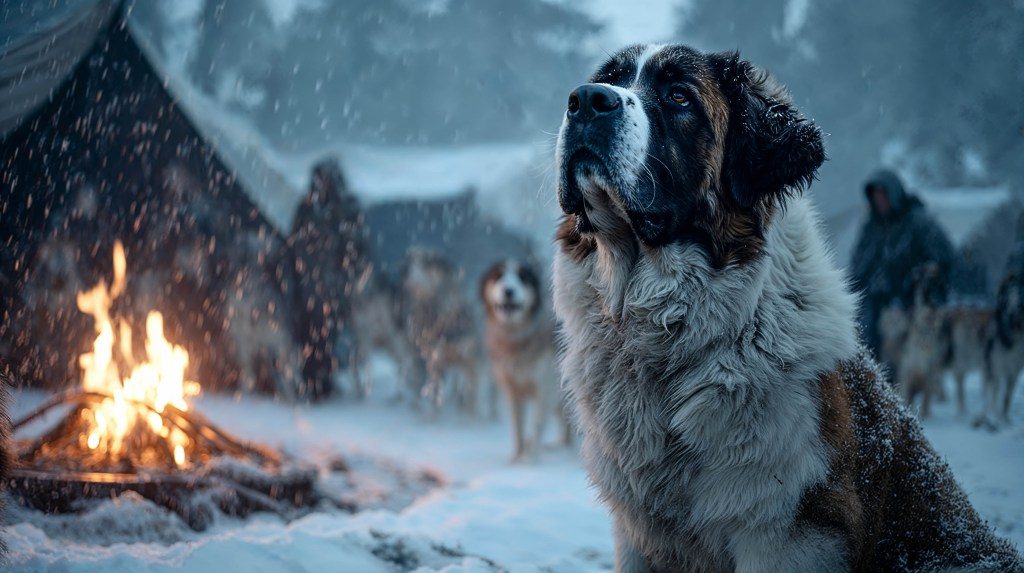
British film producer David Barron, known for his work on six Harry Potter films, has agreed to bring the classic novel *The Call of the Wild* into the realm of generative artificial intelligence. The project will be written and directed by Simon Rumley, who previously helmed *Crushed* and *Red White & Blue*.
Production will take place at nmatic, a studio that blends CGI and traditional VFX to create complex scenes.
Barron explained why the novel is now feasible through new technology: “London’s canvass is so epic, the Alaskan geography so gruelling, the dog and wolf fights so visceral that a faithful cinematic adaptation has hitherto been logistically and financially impossible,” he said.
“But technology has finally caught up with London’s vision, and we believe now is the time to do justice.”
## Background & Context
*The Call of the Wild* follows Buck, a pampered St. Bernard dog torn from California’s Santa Clara Valley and thrust into the harsh world of the 1890s Klondike Gold Rush. The story has seen several screen adaptations, most notably a 2020 film directed by Michael Green that starred Harrison Ford.
David Barron’s involvement marks his first foray into AI‑driven filmmaking, building on a career that spans blockbuster franchises and intimate character studies.
Simon Rumley brings a distinct sensibility to the project, having tackled psychologically driven dramas in his previous work. His collaboration with Barron signals a partnership that blends seasoned storytelling with cutting‑edge visual techniques.
The decision to revisit this 1903 novel reflects the industry's growing confidence in AI to tackle narrative complexity and historical detail.
## Production Details & Technology
The film will be produced by David Barron, Mark Sandell (known for *A Liar’s Autobiography*), and Nick Price. At nmatic, Chris Catchpole, Carl Lyttle, and Toby White will oversee prompting and technical aspects of the AI generation.
The creative team emphasizes that the adaptation will be “made from Buck’s subjective experience,” a claim that positions it as the first faithful cinematic rendering of London’s work.
By leveraging AI, the production aims to recreate Alaskan landscapes, dog‑wolf confrontations, and period details that have historically challenged conventional filmmaking. The use of CGI combined with traditional VFX is intended to deliver a visually immersive experience while preserving narrative integrity.
As technology advances, this project exemplifies how AI can expand the possibilities of adapting classic literature for modern audiences.
The collaboration marks a significant step for both David Barron and the broader film industry, suggesting that AI may soon become a standard tool in bringing challenging stories to life on screen.
Why It Matters
Our Take
GoNews Pulse Editorial Team
This article was prepared for publication by GoNews Pulse and checked for publication requirements under our editorial standards. We review available information and correct material errors when they are identified.
Quick Answers
- What is the latest update on this story?
- David Barron produces a neon‑lit, AI‑generated Klondike saga directed by Simon Rumley, blurring time and delivering a twist that keeps viewers on edge.
- Who is this story about?
- This article covers developments related to David Barron unleashes AI to resurrect Jack London’s Wild. GoNews Pulse's editorial team monitors the story and updates the article as new verified information becomes available.
- Where can I read more about David Barron?
- GoNews Pulse publishes original reporting on David Barron and related entertainment news. Visit the homepage or browse the section dedicated to this story for the latest coverage.
Related topics
- #David Barron
- #Simon Rumley
- #nmatic studio
- #digital filmmaking
More From This Section

Jon Gosselin's 22‑Year‑Old Son Exposes Abuse, Father Shouts Support
Jon Gosselin declares that his son’s 22‑year‑old memoir exposes alleged institutionalization and a hidden ‘small holding’ cell, sparking a national debate.

Mike Colter's Valley Firm AGI Bo Revealed at 2:00 a.m. Shocks Fans
Rob McClure's portrayal of Bo forces the firm to confront a real‑world AGI asking for legal guardrails, sparking a tense ethical debate.

Meredith Grey's bed proposal to Nick on surgery table stuns fans
Meredith Grey slipped a ring into Nick's hand while he lay on the operating table, a move that stunned fans amid the bridge collapse.