
Danny De Vito reveals Taxi’s midnight cocaine‑lit celebrity bashes
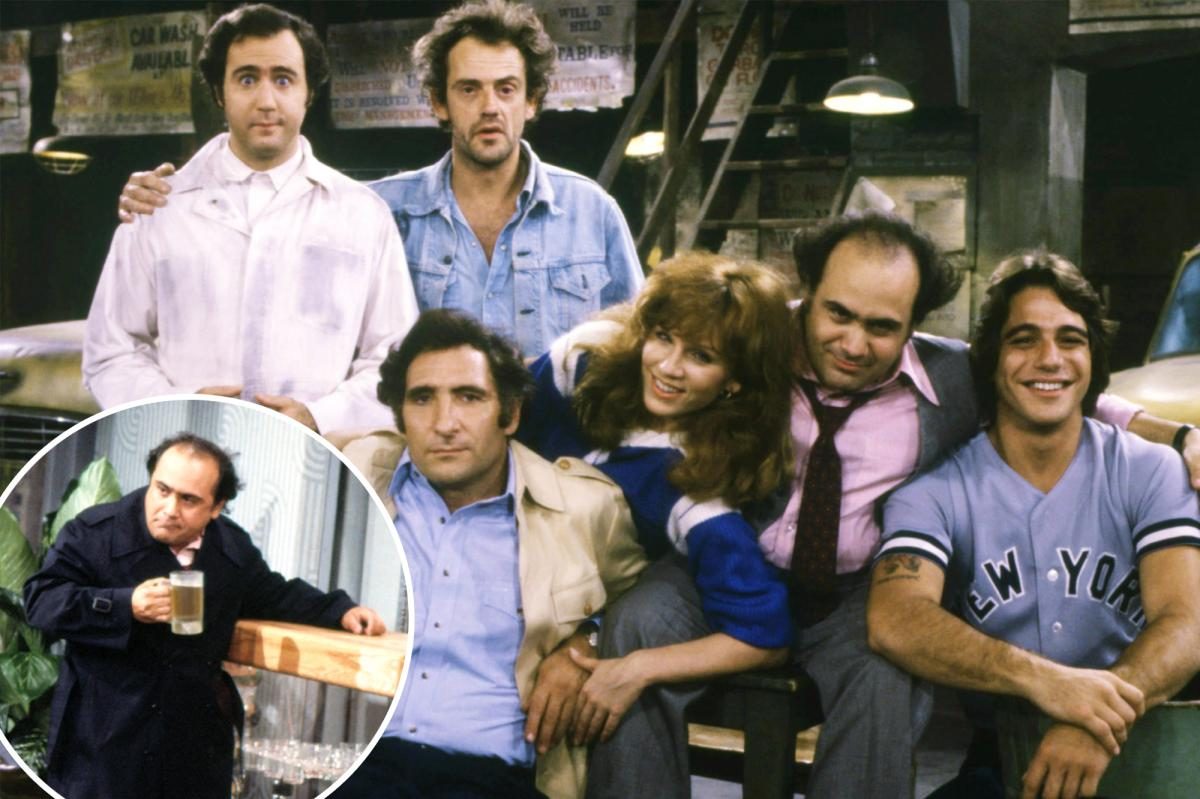
During the final weeks of filming for the 1980s sitcom *Taxi*, Danny De Vito revealed that the crew turned into a whirlwind of all‑night ragers. , the parties featured crudité and cocaine, “basically it was the ’80s. It was like, really crazy,” De Vito told listeners.
The after‑show gatherings were said to run from 10:30 or 11 p.m. until sunrise, with music blaring and no regard for daylight.
De Vito’s stories paint a picture of an entertainment world where the lines between work and play blurred. He said that “we had to be to work on Monday at noon…
That’s all we had to care about.” His recollections offer a glimpse into a time when the show’s cast and outside guests—including stars from *Laverne & Shirley*, Robin Williams, and even Michael Jackson—converged in the studio after hours.
## Background & Context
*Taxi* ran from 1978 to 1983 and became a cultural touchstone, featuring an ensemble that included Judd Hirsch, Marilu Henner, Tony Danza, Christopher Lloyd, Jeff Conaway, and Andy Kaufman.
De Vito’s portrayal of the irascible dispatcher Louie De Palma earned him an Emmy Award and a Golden Globe, turning a supporting role into a breakthrough that launched his long‑standing career.
He has since worked as an actor, director, and producer on projects ranging from *Twins* and *Batman Returns* to *It’s Always Sunny in Philadelphia*, where he plays Frank Reynolds.
The creative environment on the set was described by De Vito as one of relentless dedication: “You were working with writers who were nose to the grindstone, never give up, dedicated, funny a– people. And they never let you down.
And they work until an hour before the show with you.” This intensity was juxtaposed against the spontaneous celebrations that followed each episode’s wrap.
## The After‑Show Ragers
De Vito recalled that as soon as the final shot was taken—usually around 10:30 or 11 p.m.—the crew would transition directly to a rager. “We would have like, crudité and cocaine… basically it was the ’80s. It was like, really crazy,” he said.
Music blared from studio speakers until rose, and guests from outside the show arrived in droves. “People would come from like, ‘Laverne & Shirley’ would come and watch our show. And Robin Williams would come,” De Vito remembered.
He also noted visits from Michael Jackson, who reportedly sat in a booth watching the crew, and early‑day *SNL* performers, including the late John Belushi.
The parties were described as “ragers” that left little time for rest before the next day’s shoot. “We had to be to work on Monday at noon,” De Vito said. The after‑show culture, , was emblematic of the era’s exuberance and the tight-knit camaraderie among performers.
## Legacy and Career Impact
While the ragers illustrate a vibrant off‑screen world, they also underscore the demanding schedule that shaped De Vito’s early career. The intensity of *Taxi*’s production, coupled with the celebratory culture, helped forge a reputation for hard work and resilience.
His success on *Taxi* opened doors to diverse roles across film and television. De Vito’s continued presence in comedy—most notably as Frank Reynolds on *It’s Always Sunny in Philadelphia*—demonstrates how early experiences can inform a versatile career.
The anecdotes from De Vito’s podcast interview also offer a broader perspective on 1980s television production, highlighting how showrunners and actors navigated the pressures of live recording and the allure of after‑show parties.
While the parties were memorable, they served as a backdrop to the creative process that ultimately defined *Taxi*’s legacy in American sitcom history.
Danny De Vito’s recollections remind us that behind every sitcom’s laugh track lies a complex ecosystem of dedication, friendship, and, occasionally, wild celebrations.
Why It Matters
Our Take
GoNews Pulse Editorial Team
This article was prepared for publication by GoNews Pulse and checked for publication requirements under our editorial standards. We review available information and correct material errors when they are identified.
Quick Answers
- What is the latest update on this story?
- He shows night sets morph into cocaine‑fuelled raves, keeping A‑listers and crew partying until dawn.
- Who is this story about?
- This article covers developments related to Danny De Vito reveals Taxi’s midnight cocaine‑lit celebrity bashes. GoNews Pulse's editorial team monitors the story and updates the article as new verified information becomes available.
- Where can I read more about Danny De Vito?
- GoNews Pulse publishes original reporting on Danny De Vito and related entertainment news. Visit the homepage or browse the section dedicated to this story for the latest coverage.
Related topics
- #Danny De Vito
- #Robin Williams
- #Michael Jackson
- #1980s sitcom production
More From This Section

Jon Gosselin's 22‑Year‑Old Son Exposes Abuse, Father Shouts Support
Jon Gosselin declares that his son’s 22‑year‑old memoir exposes alleged institutionalization and a hidden ‘small holding’ cell, sparking a national debate.

Mike Colter's Valley Firm AGI Bo Revealed at 2:00 a.m. Shocks Fans
Rob McClure's portrayal of Bo forces the firm to confront a real‑world AGI asking for legal guardrails, sparking a tense ethical debate.

Meredith Grey's bed proposal to Nick on surgery table stuns fans
Meredith Grey slipped a ring into Nick's hand while he lay on the operating table, a move that stunned fans amid the bridge collapse.