
Crystal Hefner's 3-Word Instagram Post to Jessica Biel Shocked Fans
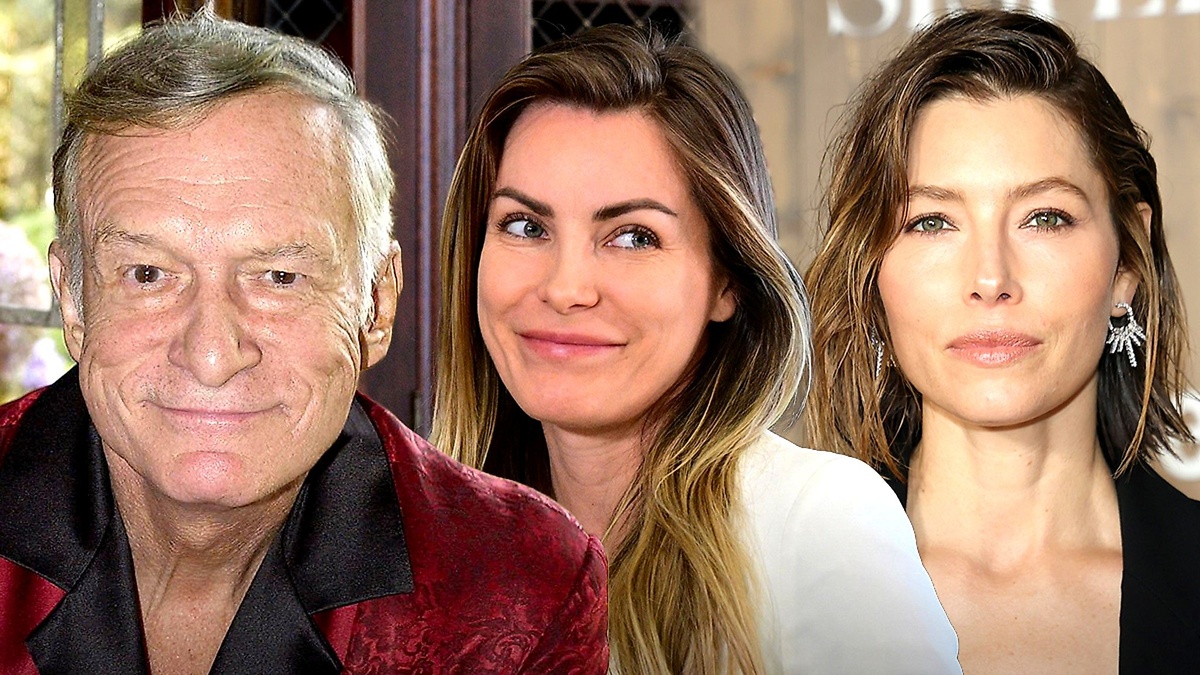
**Crystal Hefner Fires Warning to Jessica Biel About New Playboy Film** When Crystal Hefner, the former wife of the late Playboy founder, publicly urged actress Jessica Biel to reconsider a role in an upcoming movie about the Playboy empire, the ripple it created was immediate and unmistakable.
The drama unfolded against a backdrop of long‑standing allegations that Hefner was abusive, and it raised questions about how Hollywood depicts controversial figures.
Biel was announced as part of the cast for *Playmates*, a feature slated to explore the culture surrounding the Playboy Mansion through the eyes of a thirteen‑year‑old girl. The film will feature Bill Pullman as Hugh Hefner, while Biel is set to portray a fictionalized version of Hefner’s wife.
Though the narrative does not center on Hefner’s life, the inclusion of the founder’s character inevitably ties the story to the legacy he left behind. The announcement sparked swift responses from both fans and critics, but it was Crystal Hefner’s direct message to Biel that took the conversation to a new level.
By using a public platform, Hefner aimed to shine a light on the broader implications of celebrating a figure whose life was marred by serious allegations. ## Background & Context Crystal Hefner and Hugh Hefner were married in 2012 and remained partners until Hefner’s death in 2017.
During their five‑year marriage, Hefner was reportedly a source of sexual, emotional, financial, and physical abuse. These claims are not isolated; multiple women who were associated with the Hefner family have come forward with similar accusations, painting a picture of systemic mistreatment behind the scenes.
The new film, *Playmates*, is set in the contemporary era, focusing on a young woman who navigates the complicated social terrain of the Playboy Mansion. She assists an aspiring model in securing a cover shoot while simultaneously exploring a romantic interest of her own.
The script does not portray Hefner as a protagonist; instead, his presence is a backdrop to the world the characters inhabit.
Nevertheless, the film’s narrative and visual motifs are undeniably tied to Playboy’s brand, raising concerns about whether the portrayal could be read as an implicit endorsement of Hefner’s lifestyle. Crystal Hefner’s message, shared publicly, called on Biel to “think twice” before accepting the role.
In her words, the film risks romanticizing the Playboy ethos, potentially sanitizing the darker aspects of Hefner’s life. Hefner also highlighted “troubling concerns regarding minors,” a reference that likely alludes to the controversies surrounding Playboy’s history of involving young models.
Her plea extended beyond the lead actress, urging the entire cast and crew—especially the women—to consider the broader impact on the film’s reception. The release of this message prompted a surge of commentary online.
Some viewers expressed empathy for Hefner, recognizing her desire to protect the legacy of women who suffered under Hefner’s influence. Others defended the artistic freedom of the filmmakers, arguing that creative works should not be censored simply because they draw from a contentious source.
The debate is a microcosm of the larger conversation about how media handles historical figures whose personal conduct conflicts with their public image. ## What People Are Saying Public reaction to Hefner’s message was swift and polarized.
Within hours of her Instagram post, comments from fans, industry insiders, and advocacy groups poured in. A significant portion of the audience applauded the former wife’s courage in speaking out, .
Many followers of the film’s promotional materials took the opportunity to voice concerns about the potential glorification of Hefner’s persona and the brand’s sexualization of women.
Conversely, a faction of commenters defended the film’s creative direction, noting that the script was not intended as a biopic but rather a fictional narrative set against a recognizable backdrop.
They argued that the depiction of Hefner’s wife would provide a nuanced, complex portrayal that could shed light on the challenges faced by women in that environment.
Some supporters of the filmmakers emphasized that audiences should distinguish between art and endorsement, asserting that the movie could provoke critical discussion rather than serve as a tribute. Advocacy groups focused on sexual exploitation and victims’ rights called for a thorough review of the film’s content.
They urged the production to incorporate survivor narratives and to provide contextual information that acknowledges the problematic aspects of Playboy’s history.
The call for sensitivity also highlighted the broader industry trend of reexamining the ways media represent sexual power dynamics and the responsibilities of creators when engaging with controversial subjects. ## What Happens Next The future of *Playmates* now hinges on several key developments.
First, the production team will likely engage in further dialogue with Crystal Hefner and other stakeholders to assess the potential impact of her concerns.
Depending on the outcome, the filmmakers may revise the script, adjust character portrayals, or introduce new narrative elements that address the issues raised by Hefner.
This could involve incorporating a more explicit acknowledgment of Hefner’s abusive behavior or providing a counterbalance that highlights the struggles faced by the women within the Playboy environment. Second, the decision of Jessica Biel to accept or decline the role remains a pivotal point.
Should she decide to step back, the casting process will need to identify a suitable replacement who can navigate the complex demands of portraying a fictionalized Hefner wife.
If Biel chooses to move forward, the film may implement additional safeguards, such as on‑set counseling, survivor consultations, or post‑production educational materials that contextualize the historical background for audiences.
Third, audience expectations and the film’s marketing strategy will need to adapt to the evolving narrative. With the controversy already sparking public discourse, the distributors may opt for a targeted campaign that emphasizes the film’s artistic merits while acknowledging its sensitive subject matter.
This could involve strategic partnerships with advocacy organizations or inclusion of survivor testimonials in promotional content. Beyond the immediate production timeline, *Playmates* may serve as a touchstone for the entertainment industry’s approach to adapting stories tied to controversial figures.
The balance between artistic freedom and ethical responsibility will be scrutinized by critics, audiences, and regulators alike. Whether the film ultimately reframes the Playboy mythos or reinforces it will depend on the collaborative choices made by the cast, crew, and stakeholders involved.
In any case, the unfolding situation underscores the power of individual voices to influence cultural production. Crystal Hefner’s candid appeal has already shifted the conversation, bringing the complexities of a celebrated brand’s legacy into the spotlight.
The outcome will resonate far beyond the screen, prompting deeper reflection on how society chooses to remember—and potentially redeem—figures whose personal lives are fraught with abuse and exploitation. The next few weeks will be crucial as the film’s producers respond, the cast deliberates, and the audience watches.
In a time when media is increasingly held accountable for its portrayal of contentious histories, the fate of *Playmates* could become a benchmark for how Hollywood navigates the delicate intersection of storytelling, responsibility, and respect for those who have suffered.
At a Glance
- Crystal Hefner urges Biel to rethink her role in *Playmates*,
- *Playmates* follows a teen’s journey through the Playboy Mansion, drawing criticism for potentially endorsing a controversial legacy.
- The debate highlights tensions between creative freedom and ethical responsibility, prompting producers to promise script revisions.
Why It Matters
Our Take
GoNews Pulse Editorial Team
This article was prepared for publication by GoNews Pulse and checked for publication requirements under our editorial standards. We review available information and correct material errors when they are identified.
Quick Answers
- What is the latest update on this story?
- Crystal Hefner’s 3‑word Instagram message to Jessica Biel warns the film could romanticize Playboy’s dark legacy, sparking an instant backlash.
- Who is this story about?
- This article covers developments related to Crystal Hefner's 3-Word Instagram Post to Jessica Biel Shocked Fans. GoNews Pulse's editorial team monitors the story and updates the article as new verified information becomes available.
- Where can I read more about celebrity news?
- GoNews Pulse publishes original reporting on celebrity news and related entertainment news. Visit the homepage or browse the section dedicated to this story for the latest coverage.
More From This Section
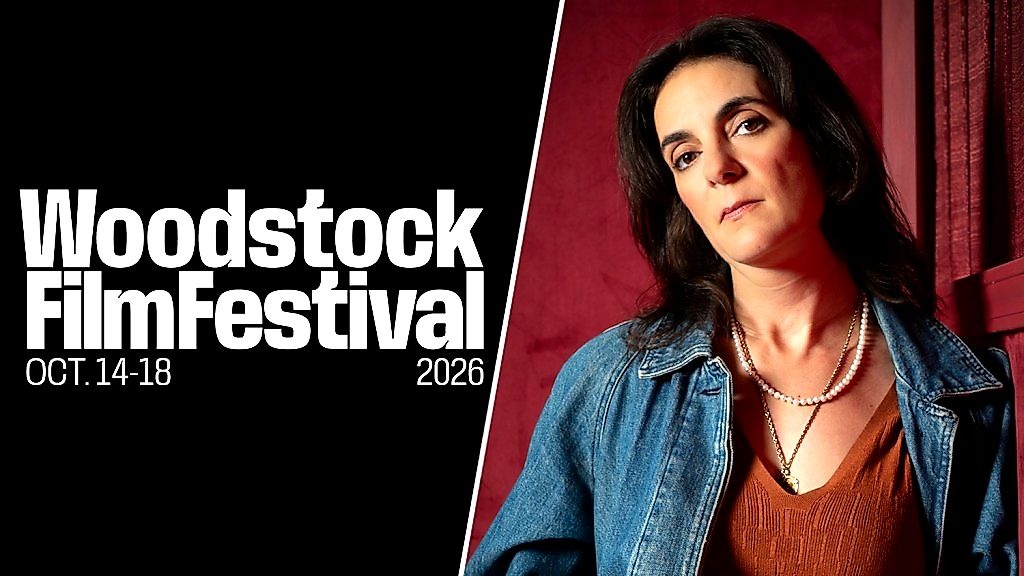
Jessica Edwards' 27-Year Legacy Shakes Woodstock Film Festival
Jessica Edwards announced she will double the festival’s screen time for women filmmakers, promising a new wave of diverse stories at next spring’s event.
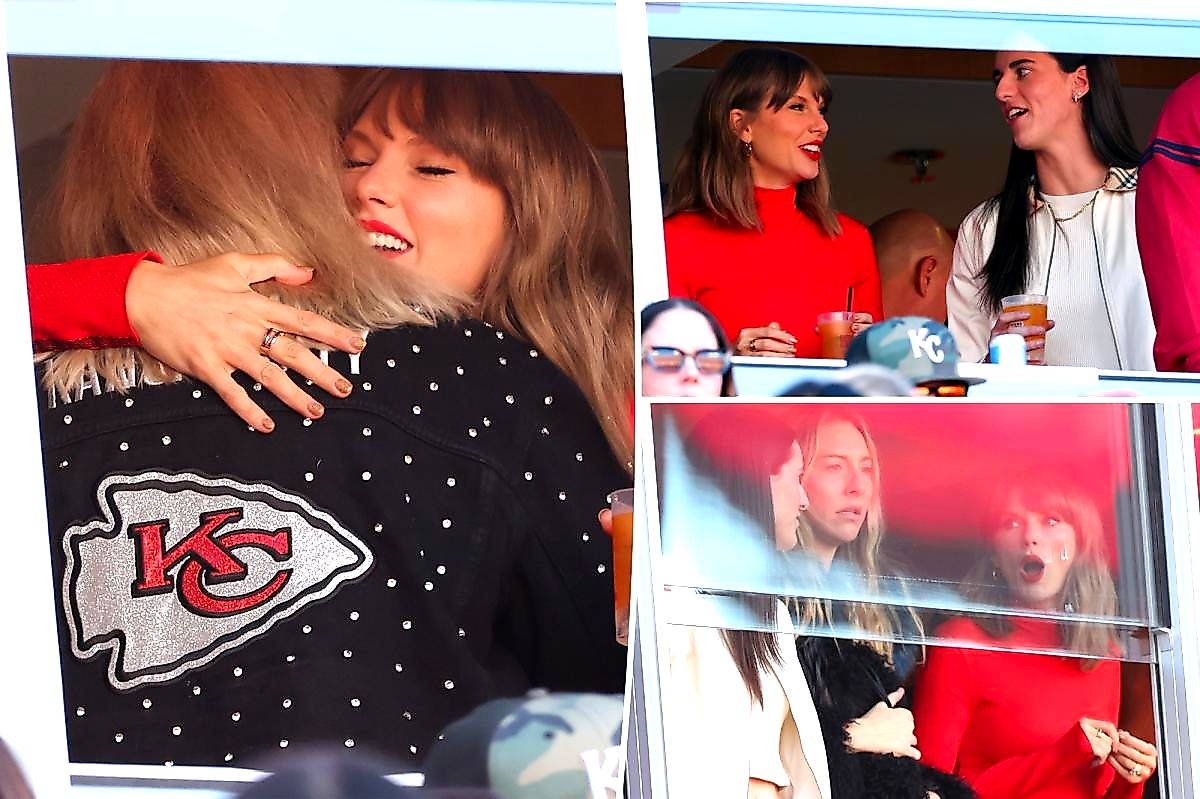
Taylor Swift's 36-Year-Old Red Turns Chiefs Fans Into Celebrity Crowd
Swift's front‑row red turtleneck and a heartfelt hug to Donna Kelce at Arrowhead left fans stunned as Chiefs edged Chargers 33‑30 in overtime.
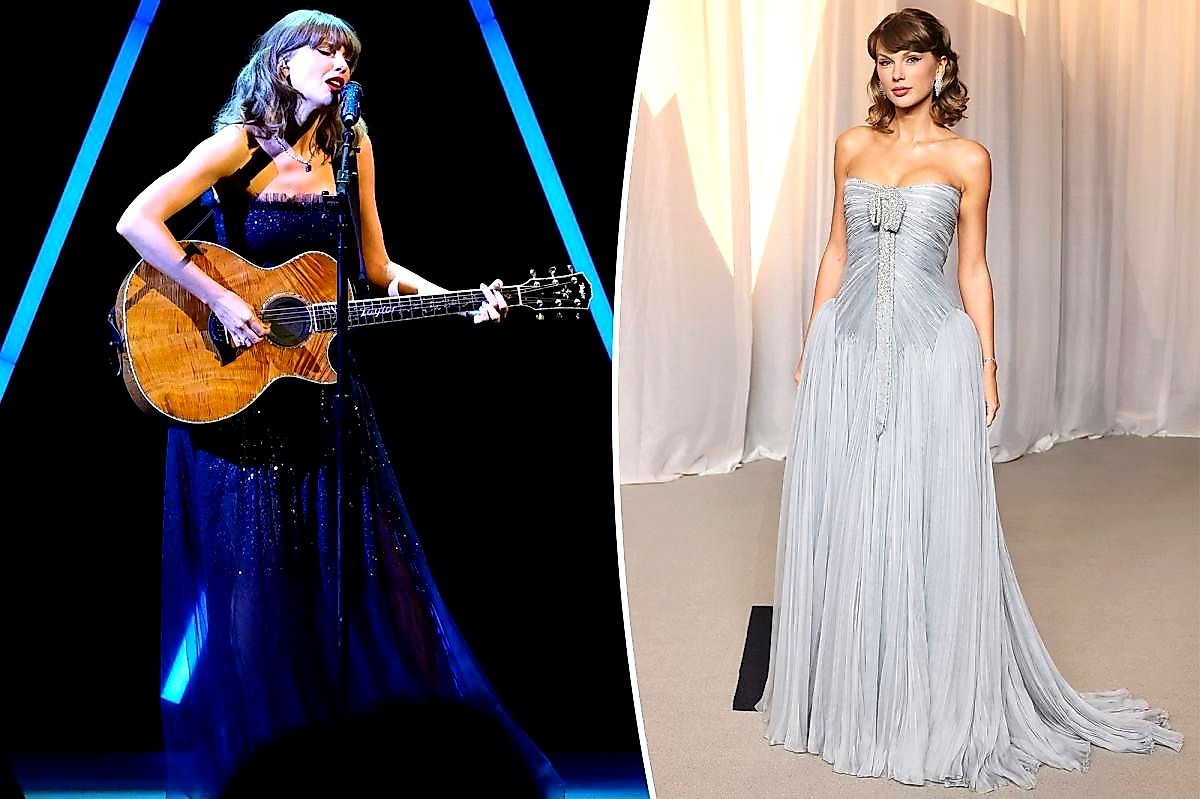
Taylor Swift's 36-year-old drops 'The Fate of Ophelia' at Academy Gala
She stunned in a strapless pale‑blue Dior gown, opening with a brand‑new Toy Story 5 track and a 'Blank Space' performance, showcasing her theatrical flair.