
Courtney Clenney Shockingly Sentenced to 2 Years After Stabbing Death
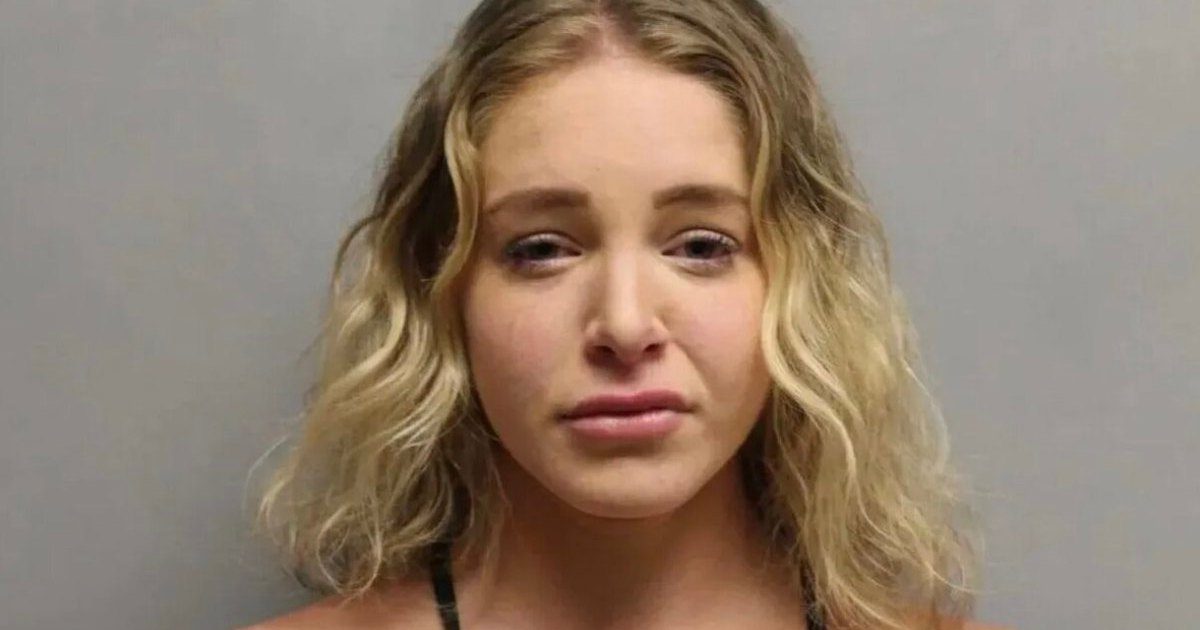
Courtney Clenney, 30, was sentenced to six years in prison with time served after pleading guilty to manslaughter with a deadly weapon for the death of her boyfriend, Christian "Toby" Obumseli. The decision was announced in a hearing on Monday, August 10.
The case centers on the April 3, 2022 killing that occurred in a Miami high‑rise apartment.
## Background & Context
Clenney first entered the public eye as a lifestyle influencer with a rapidly growing Instagram following. By 2020 she had surpassed two million followers and began monetizing her brand through sponsorships, fashion drops, and an OnlyFans account that showcased exclusive behind‑the‑scenes content.
Her bold aesthetic and unapologetic persona earned her a dedicated fanbase but also attracted scrutiny from critics who argued that her image promoted a “hyper‑materialistic” lifestyle.
The relationship between Clenney and Obumseli began in late 2020. Obumseli, a former college football player turned aspiring musician, had been featured in several local music videos and had an online presence that complemented Clenney’s influencer status.
In the months leading up to the incident, the couple shared frequent photos on social media, which painted a picture of romance and leisure.
On April 3, 2022, the couple’s relationship took a tragic turn. An altercation in their Miami apartment escalated into violence when Obumseli was stabbed in the chest with a three‑inch‑long knife. The autopsy confirmed that the single wound punctured his subclavian artery, resulting in rapid blood loss and death.
Clenney was arrested within days of the murder, charged with second‑degree murder.
In an effort to mitigate potential sentencing, Clenney’s legal team negotiated a plea agreement that reduced the charge to manslaughter with a deadly weapon. The plea also stipulated that she would receive credit for the time she had already spent in custody, thus shortening her eventual prison term.
Judge Andrea Ricker Wolfson accepted the plea and sentenced Clenney to six years, counting four years already served. She will be released after roughly two more years, with the possibility of an additional year and a half if maximum credit is granted. Following her release, Clenney will serve five years of probation.
## The Case in Detail
Clenney’s defense hinged on a self‑defense argument. She claimed that the knife was thrown at Obumseli during an altercation and that he had been abusive throughout their relationship. , Obumseli had punched her, fracturing her ribs months before his death.
Her attorneys planned to introduce text messages exchanged between the couple as evidence of a pattern of domestic violence, aiming to establish a credible context for the alleged self‑defense claim.
Opposing this narrative, Obumseli’s family maintained that Christian was the aggressor and often suffered abuse. His mother, Chio Obumseli, delivered an impact statement in court that read: “There is simply too much pain to put on paper,” she said. “Four years later there are still nights when I cannot sleep.
I do not want Christian to be remembered only for how he died.”
The autopsy report underscored the lethal nature of the wound, describing a deep stab that pierced vital arteries and left no room for doubt about the cause of death.
## Fan Reaction
The sentencing ignited a wave of reactions across social media platforms. Within hours of the announcement, a hashtag—#JusticeForChristian—trended on Twitter, gathering support from fans who called for accountability.
Many followers posted heartfelt tributes to Obumseli, sharing memories and advocating for stricter legal scrutiny in cases involving domestic violence.
Conversely, a segment of Clenney’s audience rallied behind her. The hashtag #ClenneyForLife gained traction, with users arguing that her self‑defense claim had been dismissed too hastily. Some supporters pointed to her “unreal” lifestyle and the pressure she faced from fame as contributing factors.
A viral TikTok video compiled screenshots of Clenney’s Instagram posts leading up to the incident, suggesting a pattern of emotional volatility.
The debate highlighted a broader conversation about influencer accountability: whether public figures should be held to higher standards and how online personas can mask underlying personal turmoil.
Several industry commentators noted that the case could influence future platform policies regarding user-generated content that depicts violence or self‑harm.
## Industry Impact
Clenney’s sentencing has reverberated beyond the courtroom, prompting a reevaluation of influencer safety protocols and platform responsibilities. OnlyFans, which had previously faced criticism for its handling of user-generated violent content, announced a review of its community guidelines.
The platform has begun investing in more robust content moderation tools, particularly for creators with large followings who may be susceptible to intense personal scrutiny.
Instagram, likewise, updated its policies to provide clearer guidance on domestic violence-related content. The update includes mandatory reporting requirements for posts that depict ongoing abuse and a stronger partnership with domestic violence hotlines to offer resources to users who might be at risk.
The legal community has also taken note. Law firms specializing in criminal defense and influencer law have reported an uptick in inquiries regarding how domestic violence claims intersect with public personas.
Attorneys now advise clients on crafting narratives that align with both personal testimony and the expectations of social media platforms.
the case has spurred discussions within the broader entertainment industry about mental health support for influencers. Several agencies are now offering mandatory counseling sessions and crisis management training to prevent potential escalation into violent incidents.
## What Happens Next
Clenney’s sentencing marks the end of a legal saga that began with the April 2022 murder and her subsequent arrest. She will be released after approximately two years, but her release will not mark the conclusion of her story. The five-year probation period will include strict monitoring, mandatory counseling, and community service.
Failure to comply could trigger additional penalties, including re‑incarceration.
For Obumseli’s family, the sentencing provides a measure of closure, though the emotional wounds remain deep. They continue to advocate for domestic violence awareness and support services in their community.
Local charities have begun hosting memorial events in his honor, ensuring that his legacy extends beyond the tragic circumstances of his death.
In the broader context, Courtney Clenney’s case serves as a cautionary tale for influencers, highlighting the importance of responsible online conduct and the potential legal ramifications when personal relationships deteriorate.
As platforms continue to grapple with how best to protect both creators and audiences, this case underscores the need for nuanced policies that reflect the complexities of real‑life interactions in a digital age.
Why It Matters
Our Take
GoNews Pulse Editorial Team
This article was prepared for publication by GoNews Pulse and checked for publication requirements under our editorial standards. We review available information and correct material errors when they are identified.
Quick Answers
- What is the latest update on this story?
- Courtney Clenney's new two‑year sentence hints at a shocking motive behind the 2022 stabbing, a detail that might rewrite the entire case.
- Who is this story about?
- This article covers developments related to Courtney Clenney Shockingly Sentenced to 2 Years After Stabbing Death. GoNews Pulse's editorial team monitors the story and updates the article as new verified information becomes available.
- Where can I read more about Courtney Clenney?
- GoNews Pulse publishes original reporting on Courtney Clenney and related entertainment news. Visit the homepage or browse the section dedicated to this story for the latest coverage.
Related topics
- #Courtney Clenney
- #Christian Obumseli
- #OnlyFans
More From This Section

Jon Gosselin's 22‑Year‑Old Son Exposes Abuse, Father Shouts Support
Jon Gosselin declares that his son’s 22‑year‑old memoir exposes alleged institutionalization and a hidden ‘small holding’ cell, sparking a national debate.

Mike Colter's Valley Firm AGI Bo Revealed at 2:00 a.m. Shocks Fans
Rob McClure's portrayal of Bo forces the firm to confront a real‑world AGI asking for legal guardrails, sparking a tense ethical debate.

Meredith Grey's bed proposal to Nick on surgery table stuns fans
Meredith Grey slipped a ring into Nick's hand while he lay on the operating table, a move that stunned fans amid the bridge collapse.