
Leon Black’s Silence Turns Epstein Perjury Into DOJ’s Hot Seat
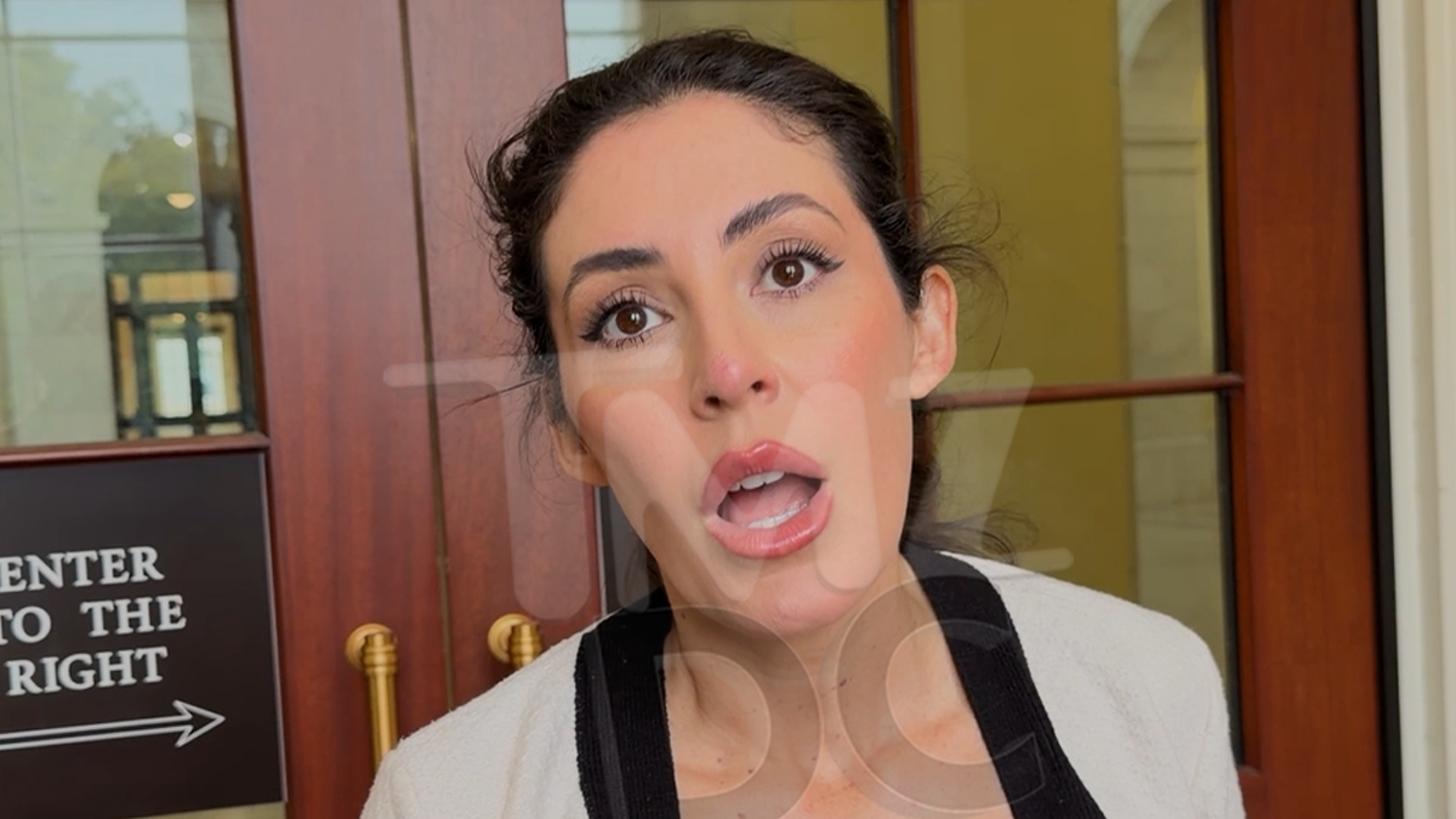
Rep. Anna Paulina Luna said on Thursday that Congress is ready to send a criminal referral to the Department of Justice over an alleged perjury case tied to the ongoing Epstein investigation.
The referral comes after billionaire Leon Black refused to testify before the House Oversight Committee, sparking a legal battle that has escalated into contempt proceedings. Luna’s remarks underscore Congress’s willingness to hold witnesses accountable when they defy subpoenas in high‑profile investigations.
The House Oversight Committee has repeatedly sought Black’s deposition as part of its probe into former financier Jeffrey Epstein’s network.
Black, who was named in the indictment that led to Epstein’s 2008 plea agreement, has instead sued the committee, arguing that subpoenas targeting non‑disclosure agreements he allegedly had women sign are overreaching.
Luna highlighted that failure to comply with a subpoena typically initiates contempt of Congress actions, which can lead to a formal criminal referral to the DOJ. The referral Luna mentioned specifically targets a woman who reportedly gave a deposition related to Epstein and is alleged to have perjured herself.
While her identity has not been disclosed, the committee claims the deposition contains false statements that could undermine the integrity of the investigation. By forwarding these allegations to the DOJ, Congress is requesting federal prosecutors assess whether criminal charges are warranted.
## Background & Context
The Epstein probe began in 2019 after a federal indictment accused the financier of sex trafficking and conspiracy. Leon Black, a former co‑chair of The Blackstone Group, emerged as a key figure when prosecutors cited him in a 2008 plea deal that included an admission of wrongdoing and a $600,000 settlement.
Despite his cooperation early on, Black later declined to appear before the House Oversight Committee, prompting the committee to issue a subpoena for his deposition in 2024. In response, Black filed a lawsuit against the committee, asserting that its subpoenas violated his constitutional rights.
The suit specifically challenges orders demanding he testify about non‑disclosure agreements he allegedly had women sign to access underage victims. The legal dispute has become a flashpoint for debates over congressional authority versus individual civil liberties in investigations of alleged sexual abuse.
Congressional contempt procedures allow the House to seek sanctions against individuals who refuse to comply with subpoenas, ranging from fines to imprisonment. If a contempt case is deemed criminal, the committee can forward the matter to the DOJ for possible prosecution.
This mechanism has been used sparingly but becomes a powerful tool when investigations involve high‑profile figures and complex legal questions.
## What People Are Saying
Rep. Luna stressed that framing the potential DOJ referral as a step toward ensuring witnesses cannot simply evade accountability. She emphasized that the committee’s mission is to uncover truth, especially in cases involving alleged sexual misconduct.
Her remarks suggest Congress views the perjury allegations as a serious breach of the investigative process. Black’s legal team, led by Susan Estrich, publicly countered the accusations by stating, “Mr. Black never abused a woman.
He never was with an underage woman. He never engaged in sex trafficking. He never paid Epstein for access to women.
He was never blackmailed by Epstein.” Estrich’s statement aims to reaffirm Black’s innocence and counter the narrative that his alleged deposition refusal indicates guilt.
While no statements have been released from the woman alleged to have perjured herself, the committee’s claim that false testimony could compromise its inquiry has drawn attention from both legal analysts and civil‑rights advocates.
The situation remains fluid as the committee prepares to file formal contempt charges and potentially request a criminal referral.
## What Happens Next
If the DOJ accepts the congressional referral, prosecutors will review evidence of perjury to determine whether criminal charges are justified. The outcome could range from a dismissal of the allegations to formal indictment, depending on the strength of the deposition’s falsity.
The process would involve extensive forensic review of transcripts and corroborating documentation. Simultaneously, the Oversight Committee is likely to continue its efforts to compel Black’s testimony.
The committee may seek judicial intervention to enforce its subpoena, potentially filing a motion for a court order mandating his appearance. Should Black remain non‑cooperative, the committee could pursue further contempt penalties, including fines or potential jail time.
The broader implications for both Black and Congress hinge on the interplay between federal criminal prosecution and congressional oversight. A DOJ indictment would elevate the case’s visibility and could influence public perception of the Epstein investigation.
Conversely, a dismissal would reinforce Black’s legal standing and potentially limit Congress’s ability to compel testimony in similar future cases.
The unfolding scenario underscores the delicate balance between legislative authority and individual rights, reminding observers that high‑profile investigations can trigger intense legal battles beyond the courtroom.
As the next steps unfold, all eyes will remain on how Congress navigates its investigatory powers and whether the DOJ ultimately takes up the referral to pursue criminal liability.
Why It Matters
Our Take
GoNews Pulse Editorial Team
This article was prepared for publication by GoNews Pulse and checked for publication requirements under our editorial standards. We review available information and correct material errors when they are identified.
Quick Answers
- What is the latest update on this story?
- Congress hands Epstein’s perjury to DOJ after Black’s refusal, igniting a legal battle that could reshape the investigation—and you’ll want to know why.
- Who is this story about?
- This article covers developments related to Leon Black’s Silence Turns Epstein Perjury Into DOJ’s Hot Seat. GoNews Pulse's editorial team monitors the story and updates the article as new verified information becomes available.
- Where can I read more about Leon Black?
- GoNews Pulse publishes original reporting on Leon Black and related entertainment news. Visit the homepage or browse the section dedicated to this story for the latest coverage.
Related topics
- #Leon Black
- #Jeffrey Epstein
- #House Oversight Committee
- #Congress
More From This Section

Jon Gosselin's 22‑Year‑Old Son Exposes Abuse, Father Shouts Support
Jon Gosselin declares that his son’s 22‑year‑old memoir exposes alleged institutionalization and a hidden ‘small holding’ cell, sparking a national debate.

Mike Colter's Valley Firm AGI Bo Revealed at 2:00 a.m. Shocks Fans
Rob McClure's portrayal of Bo forces the firm to confront a real‑world AGI asking for legal guardrails, sparking a tense ethical debate.

Meredith Grey's bed proposal to Nick on surgery table stuns fans
Meredith Grey slipped a ring into Nick's hand while he lay on the operating table, a move that stunned fans amid the bridge collapse.