
Conan O’Brien’s Career Saved by a Surprise Simpsons Offer After SNL
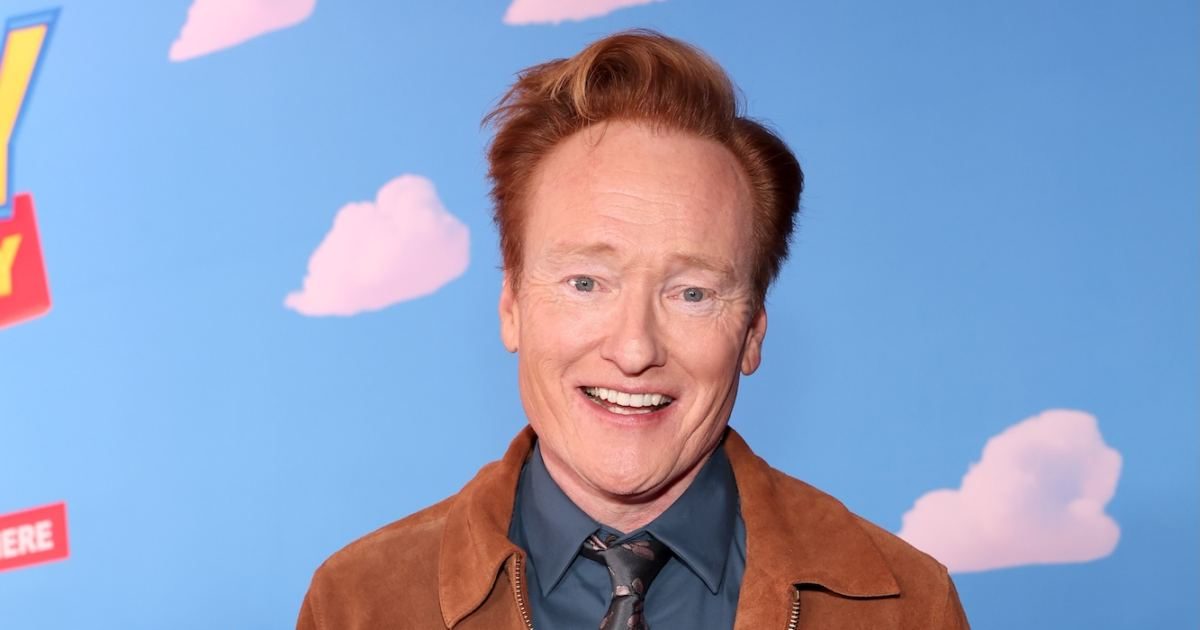
Conan O’Brien is finally talking about the dark period that forced him to leave *Saturday Night Live*, and how a cartoon show ended up rescuing his career and sanity. On September 10, the 63‑year‑old comedian opened up on his podcast “Conan O’Brian Needs a Friend,” saying he had hit a low point while working at SNL.
He described a “funk” that led him to leave the show.
He sent sketches he’d written for Saturday Night Live, and was offered a job on *The Simpsons*, with a of four days. , that offer “really saved my life.”
## Background & Context
Conan’s career has always been defined by reinvention. He began as a writer for *SNL* in 1998 and eventually left the sketch‑comedy series in 1991.
The same year, he joined *The Simpsons* as a writer and producer, contributing to seasons 3, 4 and the start of season 5 before moving on to host *Late Night with Conan O’Brien* in 1993, taking over for David Letterman.
From there, O’Brien briefly hosted *The Tonight Show* before Jay Leno’s controversial return. In 2010 he launched his own talk show, *Conan*, on TBS, which ran for eleven seasons until 2021. Each transition saw him return to the stage with his signature physical comedy and absurd silliness.
But the moment that set the stage for his “Simpsons rescue” was far earlier. In the early ’90s, a group of writers from *SNL* were looking for fresh talent to join a fledgling animated series that would later become a cultural touchstone. Conan’s quick wit and knack for punchy one‑liners made him an obvious fit.
He brought the same improvisational energy to *The Simpsons* that he had cultivated on live television, yet adapted it to the constraints of a scripted animation format—a skill that would serve him well in his later talk‑show career.
## What People Are Saying
O’Brien described his first days on *The Simpsons* as intimidating. “I had never written that form before,” he said; “I had only written sketch and suddenly they’re saying, ‘This has to happen in this act, but then in that act…’” He called the experience “magical” and credited it with providing a lifeline after his SNL exit.
During the same podcast episode, O’Brien thanked co‑host Matt Groening for creating an opportunity after he left NBC. “God, do I thank you,” O’Brien said; “I don’t know where I’d be if I hadn’t gone there.”
Fans on social media echoed O’Brien’s sentiment. Reddit threads buzzed with stories of people who had never seen the behind‑the‑scenes dynamics of *The Simpsons* but found themselves drawn into the writer’s room lore after Conan spoke about it.
Twitter users shared screenshots of the podcast, tagging it “#ConanSimpsons” and posting emojis of laughter and tears. YouTube comments piled up, with many fans praising the humor and humility in O’Brien’s recollection.
The response highlighted how rare it is for a mainstream comedian to openly discuss a career‑enduring crisis and still emerge laughing.
## Industry Impact
Conan’s pivot from live‑action sketch comedy to animated writing had ripple effects far beyond his own résumé. *The Simpsons* became the training ground that produced a generation of writers who would go on to shape late‑night television and cable comedy.
O’Brien’s involvement demonstrated that the skills honed in improvisational theater could translate into serialized storytelling, encouraging other comedians to diversify their portfolios.
Conan’s story reinforced the idea that creative industries thrive on flexibility. When he left *SNL* without a safety net, it was the willingness of a small group of writers and a seasoned animator that offered him a fresh platform.
That experience has become a case study for talent managers and network executives: cross‑genre mobility can be both a career lifeline and an engine for innovation.
## What Happens Next
O’Brien’s reflection on this chapter of his career underscores how a sudden job offer can alter a trajectory. While he has not announced new projects, his story highlights the importance of staying open to unexpected opportunities.
Fans and industry insiders alike are watching to see how Conan will continue to evolve as a comedian and writer after the highs and lows of his storied career.
In the end, O’Brien’s candid look at a low point in his life offers a rare glimpse into the resilience behind one of television’s most enduring personalities.
The episode serves not only as a personal memoir but also as an inspiration to anyone who feels stuck: sometimes the next big break comes from a place you least expect—like a cartoon about a family that lives in Springfield.
Why It Matters
Our Take
GoNews Pulse Editorial Team
This article was prepared for publication by GoNews Pulse and checked for publication requirements under our editorial standards. We review available information and correct material errors when they are identified.
Quick Answers
- What is the latest update on this story?
- He learns a hidden writers’ pact, and a single offer from the Simpsons crew turns a career crisis into a comeback he never saw coming.
- Who is this story about?
- This article covers developments related to Conan O’Brien’s Career Saved by a Surprise Simpsons Offer After SNL. GoNews Pulse's editorial team monitors the story and updates the article as new verified information becomes available.
- Where can I read more about Conan O'Brien?
- GoNews Pulse publishes original reporting on Conan O'Brien and related entertainment news. Visit the homepage or browse the section dedicated to this story for the latest coverage.
Related topics
- #Conan O'Brien
- #Saturday Night Live
- #TBS Conan
- #Conan O'Brien podcast
More From This Section

Jon Gosselin's 22‑Year‑Old Son Exposes Abuse, Father Shouts Support
Jon Gosselin declares that his son’s 22‑year‑old memoir exposes alleged institutionalization and a hidden ‘small holding’ cell, sparking a national debate.

Mike Colter's Valley Firm AGI Bo Revealed at 2:00 a.m. Shocks Fans
Rob McClure's portrayal of Bo forces the firm to confront a real‑world AGI asking for legal guardrails, sparking a tense ethical debate.

Meredith Grey's bed proposal to Nick on surgery table stuns fans
Meredith Grey slipped a ring into Nick's hand while he lay on the operating table, a move that stunned fans amid the bridge collapse.