
Collagen Beats Biotin & Probiotics in Skin Tests—See the Truth
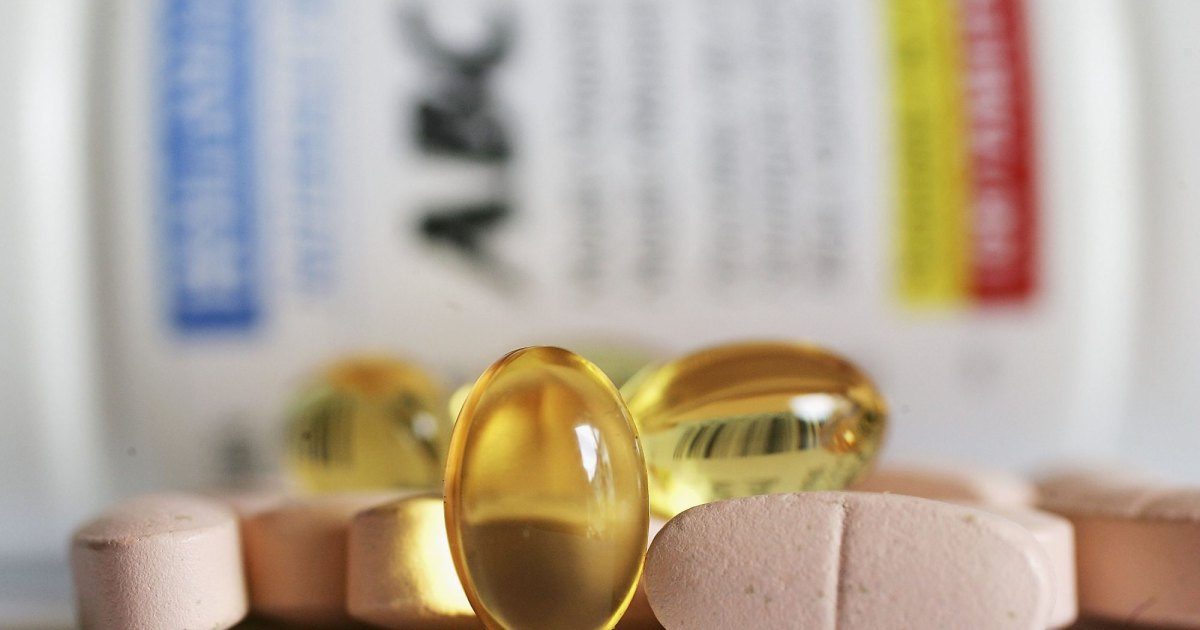
Collagen powders, biotin gummies and probiotic capsules have flooded beauty aisles, all promising smoother, brighter skin. Yet the science shows only modest gains for hydration and elasticity after several months of use, especially in older adults whose own collagen production has slipped.
The hype is clear: many shoppers turn to supplements hoping to erase fine lines, strengthen nails or tame eczema. The real question is whether the research backs those claims, and if so, under what conditions.
Understanding the science behind each ingredient can help readers make informed choices without falling for marketing buzz.
## Background & Context
Collagen is the main structural protein in skin, hair and nails, and its levels naturally decline after age 25. A drop in collagen can lead to dry skin, loss of elasticity and the appearance of fine lines.
Some studies suggest that taking hydrolyzed collagen peptides—tiny pieces of the protein—can modestly improve skin hydration and firmness when taken consistently for several months.
Vitamin C is also involved, as it acts as a co‑factor in collagen synthesis. Researchers have found that pairing collagen supplements with vitamin C can amplify any benefits, though the overall evidence remains limited and many trials receive funding from supplement manufacturers, which could influence results.
Biotin, or vitamin B7, is water‑soluble and essential for healthy skin, hair and nails. Deficiency in biotin can manifest as scaly, red or dry skin. Most people obtain enough biotin from foods such as eggs, fish, nuts and sweet potatoes.
Therefore, only those with a true deficiency tend to see skin improvements when supplementing.
Probiotics are live bacteria that may help maintain a healthy gut microbiome. Certain strains have shown promise in reducing inflammation linked to skin conditions like eczema and atopic dermatitis.
However, the evidence is still emerging, and more rigorous studies are needed before recommending probiotics as a routine treatment for specific skin concerns.
## What the Research Says
Hydrolyzed collagen peptides have been studied in adults aged 30 to 70, with findings indicating a small but statistically significant increase in skin moisture and elasticity after three to six months of daily use. These effects are most noticeable in individuals whose baseline collagen levels are below average.
The studies typically involve double‑blind, placebo‑controlled designs, but many have ties to supplement companies.
In contrast, the evidence for biotin improving skin appearance outside of deficiency is sparse. Clinical trials that administered high doses of biotin to participants without a deficiency rarely reported measurable changes in skin texture or hydration.
When biotin does help, it is generally part of a broader strategy that includes adequate protein intake and balanced nutrition.
Probiotic research has explored strains such as Lactobacillus rhamnosus, Bifidobacterium lactis and Saccharomyces boulardii. A scoping review of over 500 studies mapped the existing literature and suggested a potential benefit for conditions characterized by inflammation, like eczema.
Still, the heterogeneity of study designs, varying dosages and lack of consensus on optimal strains mean that probiotics are not yet a proven remedy for most skin ailments.
## Practical Takeaways
If your main concern is dry or aging skin, a collagen supplement could be worth testing—particularly if you also add vitamin C to support collagen synthesis. Expect modest results after a few months, and be mindful of product claims that may overstate benefits.
For those experiencing red, scaly or unusually dry skin, a biotin supplement might help only if you are truly deficient. A simple blood test Those dealing with eczema or atopic dermatitis might consider probiotic strains that have shown promise in clinical research, but it’s wise to consult a dermatologist or pharmacist.
Probiotics should be part of a comprehensive approach that includes topical treatments and lifestyle adjustments.
Ultimately, the most reliable strategy is to speak with a healthcare professional before starting any new supplement, especially if you suspect an underlying nutrient deficiency or have chronic skin conditions.
By grounding your choices in research and professional guidance, you can navigate the crowded world of beauty supplements without falling prey to marketing hype.
Why It Matters
Our Take
GoNews Pulse Editorial Team
This article was prepared for publication by GoNews Pulse and checked for publication requirements under our editorial standards. We review available information and correct material errors when they are identified.
Quick Answers
- What is the latest update on this story?
- While hydrolyzed collagen boosts hydration and firmness, biotin and probiotics barely lift when there’s no deficiency or inflammation.
- Who is this story about?
- This article covers developments related to Collagen Beats Biotin & Probiotics in Skin Tests—See the Truth. GoNews Pulse's editorial team monitors the story and updates the article as new verified information becomes available.
- Where can I read more about collagen supplement?
- GoNews Pulse publishes original reporting on collagen supplement and related entertainment news. Visit the homepage or browse the section dedicated to this story for the latest coverage.
Related topics
- #collagen supplement
- #biotin deficiency
- #probiotics skin
- #vitamin C collagen
More From This Section

Jon Gosselin's 22‑Year‑Old Son Exposes Abuse, Father Shouts Support
Jon Gosselin declares that his son’s 22‑year‑old memoir exposes alleged institutionalization and a hidden ‘small holding’ cell, sparking a national debate.

Mike Colter's Valley Firm AGI Bo Revealed at 2:00 a.m. Shocks Fans
Rob McClure's portrayal of Bo forces the firm to confront a real‑world AGI asking for legal guardrails, sparking a tense ethical debate.

Meredith Grey's bed proposal to Nick on surgery table stuns fans
Meredith Grey slipped a ring into Nick's hand while he lay on the operating table, a move that stunned fans amid the bridge collapse.