
Cody Fern admits House of Cards shattered when Spacey vanished
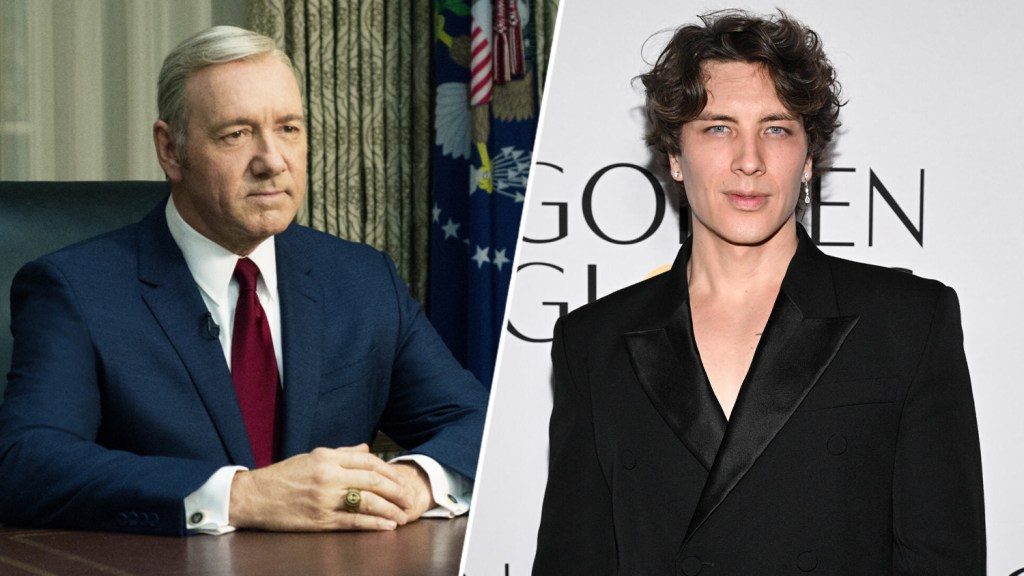
Fern said, “I was in House of Cards,” adding that he had been cast as the main villain of Season 6, playing a Jared Kushner type.
He also recalled, “Oh yeah, we filmed for a couple of months, and then the nuclear bomb hit.” Having filmed a few months before the allegations surfaced, he later returned to work under Robin Wright’s leadership, describing himself as a “wonderful wallflower.” He said he had the post‑Spacey experience, noting that it gave him insight into how the crew adapted to leadership.
His comments suggest that the split between the two eras gave him a perspective on production dynamics.
The allegations sparked investigations that led to a formal inquiry. Spacey faced claims from 15 others, including eight people who worked on the show. Netflix subsequently removed him from the starring role of Frank Underwood, announcing that Robin Wright would helm the final season as Claire Underwood.
In Rapp’s case, Spacey was found not liable, and no charges have ever resulted in a conviction for sexual misconduct.
## Background & Context
When Netflix rolled out a sixth season in 2017, House of Cards was poised to deliver its concluding story. That same year, actor Anthony Rapp alleged that Spacey had made a sexual advance toward him at a party in 1986 when Rapp was 14.
The allegations sparked investigations that led to a formal inquiry. Spacey faced claims from 15 others, including eight people who worked on the show. Netflix subsequently removed him from the starring role of Frank Underwood, announcing that Robin Wright would helm the final season as Claire Underwood.
In Rapp’s case, Spacey was found not liable, and no charges have ever resulted in a conviction for sexual misconduct.
## Impact and Aftermath
Fern’s reflection highlights how the scandal reshaped his time on set.
Having filmed a few months before the allegations surfaced, he later returned to work under Robin Wright’s leadership, describing himself as a “wonderful wallflower.” He said he had the post‑Spacey experience, noting that it gave him insight into how the crew adapted to leadership.
His comments suggest that the split between the two eras gave him a perspective on production dynamics.
The allegations sparked investigations that led to a formal inquiry. Spacey faced claims from 15 others, including eight people who worked on the show. Netflix subsequently removed him from the starring role of Frank Underwood, announcing that Robin Wright would helm the final season as Claire Underwood.
In Rapp’s
Why It Matters
Our Take
GoNews Pulse Editorial Team
This article was prepared for publication by GoNews Pulse and checked for publication requirements under our editorial standards. We review available information and correct material errors when they are identified.
Quick Answers
- What is the latest update on this story?
- He explains the moment House of Cards crumbles after Spacey leaves, revealing how the cast reshaped power and drama.
- Who is this story about?
- This article covers developments related to Cody Fern admits House of Cards shattered when Spacey vanished. GoNews Pulse's editorial team monitors the story and updates the article as new verified information becomes available.
- Where can I read more about Cody Fern?
- GoNews Pulse publishes original reporting on Cody Fern and related entertainment news. Visit the homepage or browse the section dedicated to this story for the latest coverage.
Related topics
- #Cody Fern
- #Kevin Spacey
- #Robin Wright
- #Netflix
- #Anthony Rapp
More From This Section

Jon Gosselin's 22‑Year‑Old Son Exposes Abuse, Father Shouts Support
Jon Gosselin declares that his son’s 22‑year‑old memoir exposes alleged institutionalization and a hidden ‘small holding’ cell, sparking a national debate.

Mike Colter's Valley Firm AGI Bo Revealed at 2:00 a.m. Shocks Fans
Rob McClure's portrayal of Bo forces the firm to confront a real‑world AGI asking for legal guardrails, sparking a tense ethical debate.

Meredith Grey's bed proposal to Nick on surgery table stuns fans
Meredith Grey slipped a ring into Nick's hand while he lay on the operating table, a move that stunned fans amid the bridge collapse.