
CODA Shocks Hollywood, Becomes First Streaming Film to Win Best Picture
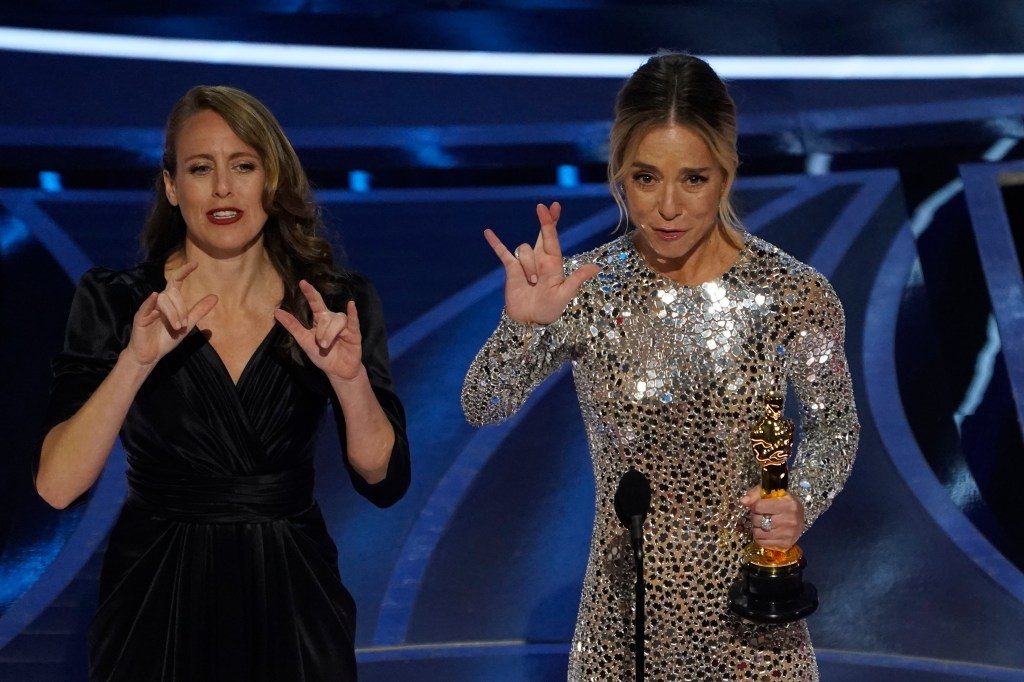
CODA took home the Academy’s most coveted award at the 94th annual ceremony, marking the first time a film produced for a streaming platform earned Best Picture. The Apple Original Films drama follows a hearing daughter of deaf parents who pursues a singing career.
Its success made it both the first streamer to win this prize and the first Sundance‑debuting movie to do so.
The night also crowned Will Smith as Best Actor for his portrayal of Richard Williams in *King Richard*. The award came after Smith’s on‑stage slap of presenter Chris Rock, who had teased Smith’s wife, Jada Pinkett Smith. Smith later apologized, saying, “I was out of line and I was wrong.”
Troy Kotsur earned Best Supporting Actor for *CODA*, becoming the first deaf man to claim the prize. Siân Heder won Adapted Screenplay for the same film, while Jessica Chastain took Best Actress for her role in *The Eyes of Tammy Faye*. The ceremony also saw Jane Campion win Best Director for Netflix’s *The Power of the Dog*.
## Background & Context
CODA’s Best Picture win is historic because it is the first film from a streaming service to capture the award. Prior winners came from traditional theatrical releases or studio‑backed projects. Apple acquired *CODA* at Sundance for a record $25 million, underscoring the platform’s investment in original cinema.
The decision to buy the film in the festival’s “World Cinema” section reflected a shift toward high‑quality, narrative‑driven features that can compete with the Academy’s long‑standing preference for theatrical releases.
The film also achieved a milestone as the first Sundance‑debuting picture to win Best Picture. It broke with the usual pattern of festival‑selected films earning Oscars, which has traditionally favored independent theatrically released features.
This development sparked debate among critics and distributors about the growing legitimacy of streaming as a primary channel for cinematic storytelling.
CODA’s production was notable for its deep collaboration with the deaf community. Lead actress Emilia Jones worked closely with a team of hearing‑impaired consultants to authentically portray her character, while director Sian Heder drew on her own experiences growing up in a mixed‑language household.
The film’s score, composed by Kris Bowers, incorporates elements of both auditory and visual communication—an approach praised by audiences for its sensitivity and originality.
## Reactions and Controversies
Will Smith’s best‑actor triumph was shadowed by his on‑stage assault of Chris Rock. The slap occurred after Rock quipped about Jada Pinkett Smith’s appearance.
Smith’s public apology acknowledged the incident, stating, “I was out of line and I was wrong.” The episode drew widespread attention during the ceremony, prompting discussions about decorum and the role of presenters in shaping the event’s tone.
The Academy’s presentation included a preshow segment that awarded six of *Dune*’s Oscars, all in technical fields. Visual Effects and Cinematography were presented before the televised portion, while Production Design, Editing, Sound, and Score received awards during the broadcast.
This split format reflected the Academy’s attempt to balance narrative storytelling with the technical achievements that underpin modern filmmaking.
The decision to award *CODA* Best Picture sparked conversations about the evolving distribution models for cinema. Critics noted that streaming platforms now have the resources to produce high‑quality feature films capable of competing with studio releases.
Industry insiders highlighted Apple’s strategic use of its platform to bypass traditional box‑office metrics, focusing instead on subscriber engagement and critical acclaim.
Ariana DeBose’s win for *West Side Story* highlighted the industry’s continued recognition of diverse talent. She played Anita, a role that previously earned Rita Moreno an Oscar in 1962, marking another chapter in the character’s cinematic history.
DeBose’s performance resonated with fans who had long advocated for fresh representation in musical adaptations.
## Fan Reaction
Fans of CODA and the deaf community celebrated the win with heartfelt messages on social media. Many highlighted the film’s portrayal of non‑verbal communication, emphasizing how it broadened visibility for a historically underrepresented group.
Fans also expressed gratitude to actors like Troy Kotsur and Emily Blunt for their authentic performances.
The award ceremony became a rallying point for advocacy groups who had championed better representation in Hollywood. Several fan communities organized virtual screenings of CODA, pairing them with discussions about the film’s impact on disability rights and cultural perception.
The conversation extended beyond the Oscars, as audiences began to question how streaming platforms could further amplify marginalized voices.
Meanwhile, some viewers expressed disappointment over the focus on *CODA*’s emotional weight rather than its technical aspects. They pointed out that while the story is powerful, the film’s cinematography and sound design also deserve recognition.
This debate underscored the broader question of how narrative and craft are weighed in award voting.
## Industry Impact and Future Outlook
Studio tallies from the ceremony revealed Warner Bros. leading with seven Oscars, followed by Disney’s six (including Searchlight and Hulu productions). Apple Original Films secured three wins, while Searchlight added two more to its tally.
These numbers highlighted a diversification of winners, with streaming platforms making significant inroads.
*Dune* dominated the technical categories with six awards, but none of its honors were in narrative fields. The film’s achievements underscored the Academy’s appreciation for craft excellence, even when a story‑driven film does not win Best Picture.
Its success also demonstrated that high‑budget science fiction can thrive in streaming and theatrical hybrid releases.
The International Feature Film award went to Japan’s *Drive My Car*, marking the country’s second win in that category. This recognition continues Japan’s growing presence on the global stage of cinema, reflecting a broader trend of international films gaining traction in American markets.
Encanto claimed the Animated Feature title, adding to Disney’s legacy of animated successes. Meanwhile, *Summer of Soul* (or “When the Revolution Could Not Be Televised”) captured Best Documentary Feature, celebrating a pivotal moment in African‑American music history.
These wins signal a broader appreciation for stories that span cultures and mediums.
The awards for short films—*The Long Goodbye* for live action and *The Windshield Wiper* for animation—demonstrated the Academy’s support for emerging filmmakers across formats.
The visibility of these shorts can help launch careers, especially as streaming platforms become more receptive to short‑form content that can be distributed globally.
## Looking Ahead
CODA’s triumph at the Oscars signals a watershed moment for streaming‑produced cinema, proving that a platform‑born film can earn the highest honor. The ceremony also highlighted diverse achievements across acting, directing, and technical categories, setting a new benchmark for the industry’s future.
The event prompts several key questions for filmmakers and distributors: Will streaming platforms continue to invest in high‑budget, narrative‑driven features? How will traditional studios adjust their release strategies in response to the growing influence of on‑demand services?
And what does this mean for audiences who have become accustomed to binge‑watching instead of attending a physical premiere?
Many analysts predict that the next few years will see an acceleration of hybrid release models, with simultaneous theatrical and streaming premieres becoming the norm. This shift could democratize access to films, allowing smaller productions to reach a global audience without the constraints of theatrical distribution.
CODA’s success may encourage more stories rooted in underrepresented communities to be told on streaming platforms. The visibility of such narratives can inspire confidence in creators and audiences alike, fostering a more inclusive cinematic landscape.
the 94th Academy Awards have opened a new chapter for the film industry. By acknowledging a streaming‑born masterpiece with its most prestigious award, the Academy has validated an alternative path to cinematic excellence—one that places storytelling, representation, and innovation at the forefront.
Why It Matters
Our Take
GoNews Pulse Editorial Team
This article was prepared for publication by GoNews Pulse and checked for publication requirements under our editorial standards. We review available information and correct material errors when they are identified.
Quick Answers
- What is the latest update on this story?
- CODA grabs Best Picture, making history as the first streaming movie to win Oscars—what does this mean for the future of film?
- Who is this story about?
- This article covers developments related to CODA Shocks Hollywood, Becomes First Streaming Film to Win Best Picture. GoNews Pulse's editorial team monitors the story and updates the article as new verified information becomes available.
- Where can I read more about CODA?
- GoNews Pulse publishes original reporting on CODA and related entertainment news. Visit the homepage or browse the section dedicated to this story for the latest coverage.
Related topics
- #CODA
- #Best Picture
- #Apple Original Films
- #Oscar streaming wins
More From This Section
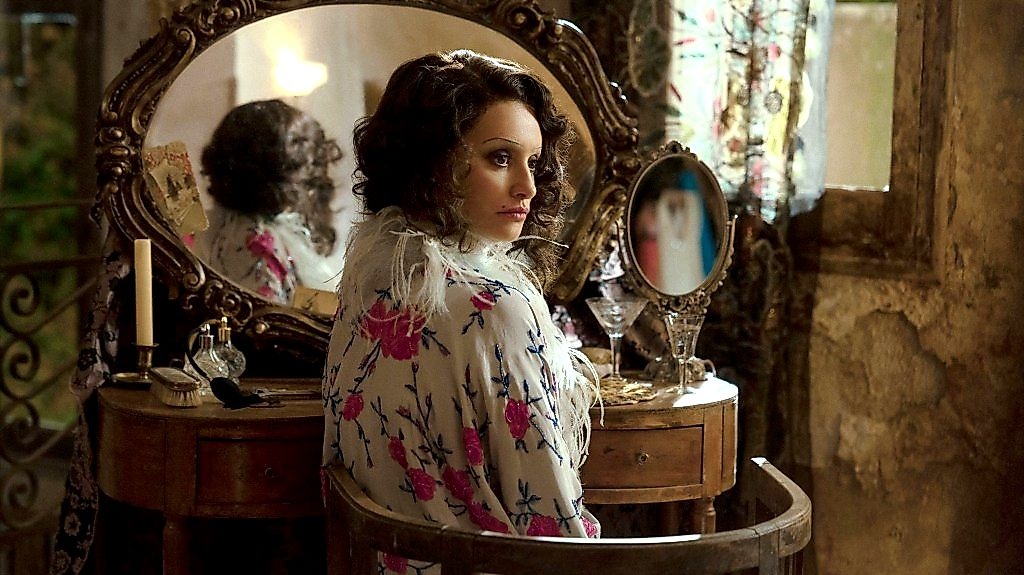
Netflix's $277k box office break shatters streaming dominance
The film earned $108.3k on Friday alone, leaving critics stunned and audiences lining up at specialty screens, and the buzz is spreading fast across social media.

Courteney Cox 62 Turns Heads in Black Bikini on Hawaiian Beach
At Jennifer Meyer’s wedding, 62‑year‑old Courteney Cox stunned guests in a sleek black bikini, revealing a new fitness‑focused lifestyle that fans are buzzing about.
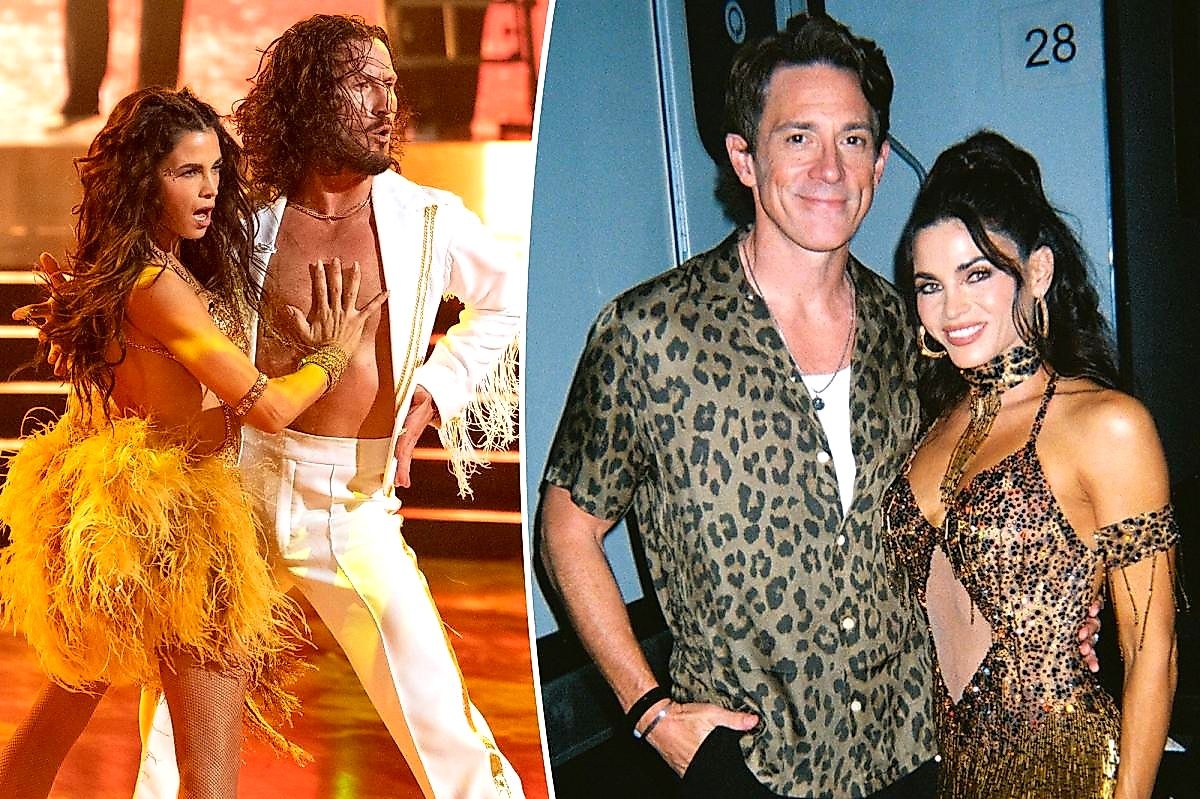
Steve Kazee's 'We Got You' Post Spurs Jenna Dewan After Val Suspension
Kazee wrote, 'Every time I think I can’t love you more…' as Jenna faced a sudden partner change right before the live finale.