
Clayton Echard Shocked as Laura Owens Confesses Pregnancy Fraud
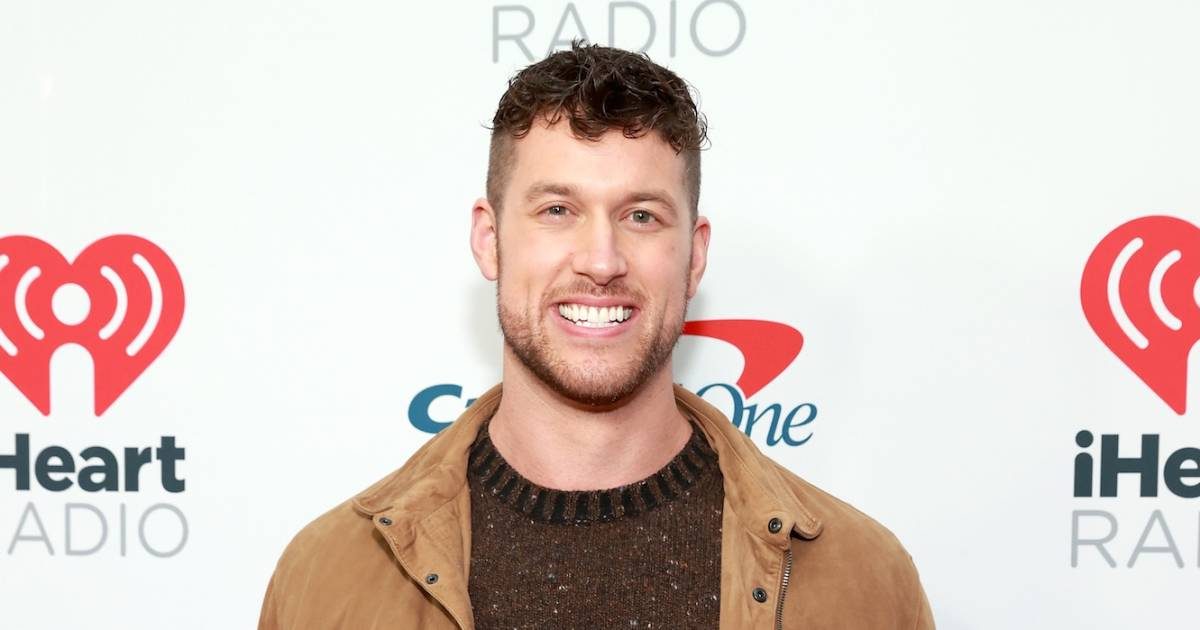
In a TikTok video posted Saturday, August 29, Bachelor alum Clayton Echard spoke out after Laura Owens pleaded guilty to four felony charges tied to a pregnancy fraud case. The court hearing concluded the previous day, and Echard’s comments marked the first time Owens publicly accepted responsibility for her actions.
> “It's the first time that we've seen Laura take any accountability in this matter,” Echard said in the clip, adding that he had been “numb and emotionless” after yesterday’s hearing. He explained that the experience was “anticlimactic” for other victims, a sentiment he found difficult to understand at first.
Owens, 36, filed suit against Echard in August 2023, claiming she was pregnant with twins conceived during their one‑night encounter. Echard denied any sexual intercourse with Owens, noting a paternity test showed “little to no fetal DNA” present. Owens has maintained that she miscarried and cited two lab tests as proof of pregnancy.
In 2024, an Arizona judge granted Echard’s request for a non‑paternity ruling, while the Maricopa County Attorney’s Office indicted Owens on charges of perjury, fraud, and related offenses. These allegations stem from both her paternity claim against Echard and a separate case involving another Scottsdale man in 2021.
Owens initially pleaded not guilty in 2024 before shifting her strategy.
As part of a plea agreement finalized Friday, August 28, prosecutors agreed to drop other criminal charges if Owens pleaded guilty to four felony counts: two for fraudulent schemes and artifice, one for perjury, and one for taking another person’s identity—specifically an ultrasound image allegedly stolen from a different woman.
The Mercury News reported that the identity charge was tied to the use of a forged ultrasound photograph.
Echard remarked that “does not really matter to me what happens to Laura at this point.” He went on to explain how the process has shaped him, saying, “I have already healed. I’m grateful for this entire experience — I know that sounds backwards. The amount of resilience I’ve built through all of this…
I would do it 1,000 times over because I’m proud of the man I’ve become through it all.”
The case has attracted national attention, notably through the podcast “Love Trapped,” which examined whether Owens may have employed similar legal tactics against other ex‑partners.
Owens has denied any wrongdoing in those contexts, but the investigation highlighted a pattern of alleged deceit that extended beyond her relationship with Echard.
Echard noted that millions of people had rallied for justice following the podcast’s release, stating, “From the podcast, we’ve seen millions of people — which I never thought it would get to that level of a community — people have come together and fought for justice and we are on that track where we are seeing justice be served.” He added that “in two months, we will see a final end to that [when Owens is sentenced].”
Despite the prolonged legal battle, Echard expressed pride in Owens’s admission of accountability, saying, “Laura has never been able to take an ounce of accountability until yesterday. That’s not lost upon me. I want Laura to heal.
I want her to see brighter days.” He called on Owens to “share why she did what she did” to help bring closure for those impacted by her actions.
Owens will be sentenced on October 23, and Echard has indicated he will ask the judge to impose a prison sentence. He believes that “there is more healing in Laura’s redemption than there is in her destruction,” underscoring his view that accountability may ultimately lead to personal growth for Owens.
As the case moves toward its final sentencing phase, both parties have made public statements that suggest a complex blend of personal reflection, public accountability, and the ongoing legal process that will shape their futures.
---
## A Timeline of Events
- **February 2023** – *The Bachelor* Season 19 premieres, featuring Clayton Echard as the lead. - **April 2023** – Echard’s one‑night encounter with Laura Owens occurs during the filming of the show’s “Love Island”‑style trip to Mexico. - **June 2023** – The first hints of a paternity claim emerge on social media, as Owens posts cryptic photos that she alleges show a pregnancy. - **August 2023** – Owens files a civil lawsuit against Echard in Scottsdale Superior Court, demanding $1 million in damages and asserting she was pregnant with twins. - **September 2023** – Echard publicly denies any conception, .” - **Early 2024** – Arizona’s Maricopa County Attorney files felony charges against Owens for fraud, perjury, and identity theft. - **May 2024** – A judge grants Echard a non‑paternity ruling, formally declaring that no twins were conceived. - **August 28 2024** – Plea agreement reached:
Owens pleads guilty to four felony counts; other charges are dismissed. - **October 23 2024** – Sentencing hearing scheduled for Owens.
This chronological framework helps explain how a brief encounter on a reality‑TV set spiraled into a multi‑year legal saga, affecting not only the individuals involved but also the broader conversation about consent and accountability in the entertainment industry.
---
## Background on Clayton Echard
Clayton Echard first captured audiences’ attention as a charismatic ranch hand from Alabama. Born in 1995, he worked as a cattle driver before auditioning for *The Bachelor*.
His background—a blend of Southern charm, a love for outdoor adventure, and an open‑handed demeanor—made him a natural fit for the franchise’s archetype of the “ideal bachelor.”
Echard’s season culminated in his engagement to Hannah Brown, but their relationship ended tragically when Brown was diagnosed with a brain tumor. The public response to this heartbreaking storyline further elevated Echard’s profile, leading to roles in travel shows and a brief stint as a guest host on *The Bachelor* spin‑off series.
Given his exposure to high‑profile media and the intense scrutiny that accompanies reality TV, Echard has become a symbol for many viewers who see him as both relatable and aspirational. This status amplified the impact of the Owens case, turning what could have been a private dispute into a widely discussed public matter.
---
## The Legal Core: Pregnancy Fraud and Arizona Law
Arizona’s statutes on pregnancy fraud are designed to protect individuals from false claims that can lead to financial exploitation, emotional distress, and legal complications.
The state defines fraud as “an intentional misrepresentation of a fact that causes another person to act in reliance upon that misrepresentation.” In Owens’ case, prosecutors argued that she knowingly fabricated evidence—such as ultrasound images—to convince Echard and the public of her pregnancy.
Perjury charges added another layer: by testifying under oath about the existence of twins, Owens allegedly made false statements that could have influenced court decisions. The identity theft claim involved an alleged theft of a third woman’s ultrasound image to create a convincing narrative of pregnancy.
Echard’s defense hinged on medical evidence. A DNA test conducted by the state lab found only trace amounts of fetal DNA in Owens’ bloodstream, a result he argued indicated no conception had occurred.
This scientific data was central to the court’s decision to grant the non‑paternity ruling and ultimately led to the dismissal of many criminal charges after Owens’ guilty plea.
---
## Fan Reaction and Social Media Dynamics
From the moment Owens’ claims surfaced, fans of *The Bachelor* split into two camps. A sizable portion of the audience rallied around Echard, expressing outrage at what they saw as a deliberate ploy.
Twitter threads, Reddit AMAs, and fan forums flooded with messages of support, with many users calling for legal repercussions against Owens.
Conversely, a smaller but vocal segment questioned the fairness of the narrative—. Some fans urged caution before accepting Owens’ statements as fact, emphasizing that public opinion should not replace judicial processes.
The “Love Trapped” podcast amplified these conversations, bringing new listeners into the debate by exploring allegations against Owens in other relationships. The series' investigative style—interviews, expert commentary, and analysis of legal documents—earned it a dedicated following.
By the time of Echard’s TikTok response, millions had engaged with the content, demonstrating how reality‑TV controversies can ripple through digital communities.
---
## Industry Impact: Reality TV and Accountability
The Owens case has sparked conversations among producers, casting directors, and network executives about vetting contestants and ensuring ethical conduct during shoots. Reality shows often operate under tight production schedules, which can create an environment where personal interactions are filmed but not fully documented.
The fallout from the Owens lawsuit highlighted a gap in the industry’s oversight mechanisms.
Network representatives have responded by re‑examining their on‑air protocols, emphasizing transparency and consent. Some have introduced mandatory counseling for contestants, while others propose clearer guidelines for handling disputes that arise off-camera.
These changes may influence how future reality‑TV projects manage interpersonal dynamics, potentially reducing legal vulnerabilities.
---
## Echard’s Personal Reflection
In his TikTok clip, Echard’s tone shifted from anger to a more introspective stance. He described himself as “numb and emotionless” after the hearing, underscoring the emotional toll of public scrutiny. Yet, he also expressed gratitude for the experience, stating that it had built resilience.
“I would do it 1,000 times over because I’m proud of the man I’ve become through it all,” he added.
Echard’s remarks reflect a broader narrative often seen among reality‑TV personalities: the tension between personal growth and public image.
While some fans view his comments as self‑promotion, others interpret them as a genuine acknowledgment of how the ordeal forced him to confront difficult questions about identity, trust, and responsibility.
---
## Owens’ Guilty Plea and Its Consequences
Laura Owens’ plea agreement was a strategic move that allowed her to avoid harsher penalties associated with a full trial. By pleading guilty to four felony counts, she secured the dismissal of additional charges and avoided potential jail time exceeding ten years.
However, the guilty plea also exposed her to an estimated sentence ranging from 18 months to five years in prison, plus restitution for damages incurred by Echard and others.
Owens’ admission of responsibility—her first public acknowledgment—was a turning point for many observers. Some fans viewed it as a sign of accountability, while others remained skeptical, . Regardless, the plea set the stage for a sentencing hearing that will determine the final legal outcomes and shape public perception of both parties.
---
## Broader Conversations: Consent, Deception, and Media Ethics
The Owens–Echard saga has prompted wider discourse on consent and deception in personal relationships. Social media influencers and public figures have used the case as a platform to advocate for clearer boundaries between private disputes and public narratives.
Advocates for reproductive rights have pointed out that false pregnancy claims can carry real-world consequences, such as medical decisions based on incorrect information.
The conversation also touches on media ethics: reality‑TV producers are increasingly pressured to balance compelling storytelling with truthful representation.
The Owens case serves as a cautionary tale about how personal drama can be weaponized for personal gain, leading to legal repercussions and ethical questions for both participants and the networks that broadcast them.
---
## What Comes Next?
Owens will be sentenced on October 23, and Echard has indicated he will request a prison sentence. While the exact outcome remains uncertain, the case is likely to have long‑lasting effects on how reality‑TV personalities engage with legal systems and public scrutiny.
Fans and critics alike will watch closely as the final judgment is delivered, eager to see whether accountability translates into restitution or further scandal.
In the meantime, Echard’s message of resilience resonates with many who believe in personal growth through adversity. His call for Owens to share her motivations underscores a broader desire for closure—not only for himself but for everyone impacted by the alleged deception.
As the legal process unfolds, both parties continue to navigate a complex landscape of public opinion, emotional healing, and professional ramifications.
The outcomes will likely influence future interactions within the reality‑TV ecosystem, setting new precedents for how personal disputes are handled when they spill into the court of public opinion.
Why It Matters
Our Take
GoNews Pulse Editorial Team
This article was prepared for publication by GoNews Pulse and checked for publication requirements under our editorial standards. We review available information and correct material errors when they are identified.
Quick Answers
- What is the latest update on this story?
- Echard confronts Owens' shocking confession, sparking a tense fallout that could reshape their public image.
- Who is this story about?
- This article covers developments related to Clayton Echard Shocked as Laura Owens Confesses Pregnancy Fraud. GoNews Pulse's editorial team monitors the story and updates the article as new verified information becomes available.
- Where can I read more about Clayton Echard?
- GoNews Pulse publishes original reporting on Clayton Echard and related entertainment news. Visit the homepage or browse the section dedicated to this story for the latest coverage.
Related topics
- #Clayton Echard
- #Laura Owens
- #pregnancy fraud
More From This Section

Jon Gosselin's 22‑Year‑Old Son Exposes Abuse, Father Shouts Support
Jon Gosselin declares that his son’s 22‑year‑old memoir exposes alleged institutionalization and a hidden ‘small holding’ cell, sparking a national debate.

Mike Colter's Valley Firm AGI Bo Revealed at 2:00 a.m. Shocks Fans
Rob McClure's portrayal of Bo forces the firm to confront a real‑world AGI asking for legal guardrails, sparking a tense ethical debate.

Meredith Grey's bed proposal to Nick on surgery table stuns fans
Meredith Grey slipped a ring into Nick's hand while he lay on the operating table, a move that stunned fans amid the bridge collapse.