
Claudia Winkleman Shocks in Notting Hill—Strictly’s New Trio Misses
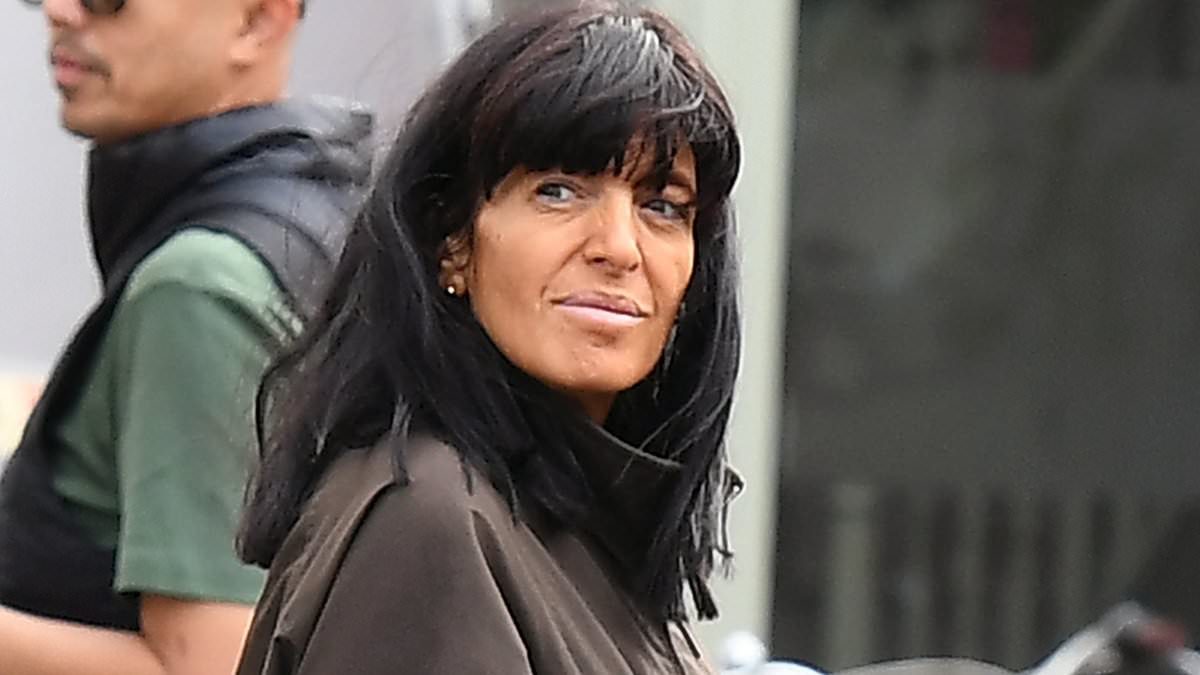
On Saturday, former *Strictly Come Dancing* host Claudia Winkleman, 54, slipped away from the cameras for a relaxed day out in London’s Notting Hill.
She joined her half‑brother Oliver Lloyd, their mother Eve Pollard’s son with Sir Nicholas Lloyd, for a casual shopping trip that saw her wandering through the district’s independent boutiques and vintage stalls.
Wearing minimal makeup, a brown jacket draped over slouchy jeans, and boots tucked neatly into the hem, Winkleman presented a stark contrast to the glamorous Saturday‑night ensemble she typically donates to *Strictly*’s glitter‑laden audiences.
Her outing arrived against a backdrop of heightened scrutiny for the BBC’s revamped *Strictly*. The new three‑presenter format—Emma Willis, Josh Widdicombe, and Johannes Radebe—was engineered to lure back viewers who had drifted away after a series of controversies involving contestant treatment and backstage culture.
In the pre‑recorded launch show, overnight figures peaked at 5.8 million viewers, a modest lift over last year’s 5.6 million peak yet still shy of the 6.7 million peak seen in 2023. The average audience slipped to 5.3 million, down from 5.4 million in 2025.
## Background & Context
The *Strictly* launch broadcast opened with a showcase of the new professional dancers and the trio of hosts, replacing Tess Daly and Claudia Winkleman after their departure at the end of the 2025 series. The BBC had hoped that a fresh lineup would rekindle interest in the long‑running show, but overnight data suggested otherwise.
The average viewership dipped a fraction of a million from the previous year, and the peak figure remained well below the pre‑controversy levels.
The drama began in 2023 when allegations surfaced about the treatment of celebrity contestants and an alleged toxic backstage environment. These accusations led to the departure of professional dancers Giovanni Pernice and Graziano Di Prima.
In response, the BBC introduced stricter welfare measures, including mandatory psychological support for participants and transparent protocols for addressing grievances. Despite these reforms, audience numbers have yet to recover to their former highs.
Emma Willis, who has hosted *The Voice* since 2014, opened the launch with a vibrant welcome, declaring excitement about spending the next 13 weeks with viewers.
Josh Widdicombe admitted he felt nervous at the start of the new series, describing the experience as “a little bit overwhelming.” Johannes Radebe, a former professional dancer turned commentator, promised a blend of expertise and relatability.
The format also saw ITV adjust its scheduling to avoid a direct clash: *The Voice* moved to 6:10 pm from its usual 7 pm slot, while *Strictly* began at 7:25 pm.
### A Brief History of the Show
Since its debut in 2004, *Strictly* has evolved from a simple ballroom dance competition into a cultural institution. Early years were dominated by Tess Daly and Claudia Winkleman, whose chemistry and affable banter set the tone for the show.
The series grew through high‑profile partnerships, charity specials, and an expanding roster of professional dancers who became household names in their own right. By 2019, *Strictly* had become the flagship dance programme of the BBC, consistently pulling in over six million viewers .
However, the 2022‑23 seasons were punctuated by controversies that strained the show’s reputation. Allegations of a “toxic” backstage environment and concerns about how contestants were treated during rehearsals sparked public debate. The BBC’s response included revamping its welfare policies and conducting internal investigations.
These measures were meant to restore trust, but the audience impact was mixed.
## What People Are Saying
Social media reactions to the new presenting trio were a mix of enthusiasm and skepticism. A fan in a tweet praised Willis, calling her “the goddess of British TV” after her glittering debut on the launch show.
Other viewers took issue with the three‑presenter format, describing it as “awkward and forced.” Some suggested that Widdicombe appeared “out of his depth,” reflecting broader uncertainty about the new dynamic.
Across forums, there were also positive voices. A user on a popular fan site wrote, “I love how Willis brings a fresh energy and Widdicombe’s humor keeps things light. The chemistry will be interesting.” Another commented that Radebe’s dancing expertise adds credibility that viewers appreciate.
In terms of numbers, *The Voice* peaked at two million viewers and averaged 1.6 million, losing half a million viewers from the previous week. Combined, the two programmes drew approximately seven million viewers across the evening.
This audience share was lower than the peak figures seen in prior years, indicating that the fresh format has yet to recapture earlier ratings success.
### Fan‑generated Content
The launch sparked a flurry of fan‑generated content on TikTok and Instagram. Several clips of Willis’s opening monologue went viral, with memes highlighting her trademark wink. Meanwhile, clips of Widdicombe’s nervous laughter drew both support and teasing.
Radebe’s “dance breakdown” videos gained traction among dance enthusiasts, with many praising his clear instructional style.
### Industry Commentary
Within industry circles, analysts pointed to the delicate balance between innovation and familiarity. One commentator noted that *Strictly* has historically relied on a stable trio of hosts to maintain continuity, and the sudden shift to a rotating panel could unsettle long‑time viewers.
Another observer highlighted the importance of backstage transparency, suggesting that any lingering doubts about contestant welfare may still be affecting audience engagement.
## Industry Impact
The launch’s modest ratings have implications beyond *Strictly* itself. The BBC’s decision to introduce a three‑presenter format reflects a broader trend of experimentation in reality‑driven programming. This move signals the network’s willingness to deviate from established formulas in pursuit of fresh appeal.
However, the results suggest that such experimentation must be paired with robust audience research and clear communication of changes.
The competition with ITV’s *The Voice* also plays a role. By shifting *The Voice* to a 6:10 pm slot, ITV aimed to capture viewers who might otherwise tune into *Strictly*. While the combined audience was strong, it fell short of the 2021‑22 peak when both programmes commanded larger shares.
The outcome indicates that even strategic scheduling can only go so far when viewer habits are shifting.
the backlash over backstage culture has prompted other dance and talent shows to re‑evaluate their own practices. Some have increased transparency by sharing behind‑the‑scenes footage, while others have introduced independent welfare monitors.
These industry shifts could have a domino effect, improving standards across televised competition formats.
## What Happens Next
The BBC has not announced any immediate changes to the *Strictly* lineup or format following the launch show’s modest viewership figures. While bosses hoped the revamped approach would attract lapsed audiences, overnight data suggests the adjustments have not produced a significant ratings resurgence.
The show will continue into its 13‑week run, and future audience metrics will likely determine whether further alterations are considered.
In the meantime, Claudia Winkleman’s relaxed weekend in Notting Hill offers a brief respite from the scrutiny surrounding *Strictly*. Her choice to dress casually and enjoy a simple outing with family underscores a personal approach that contrasts sharply with the high‑energy demands of her former hosting role.
The gentle stroll through Portobello Road’s stalls, the quiet laughter shared with Oliver, and the understated style she adopted may serve as a reminder that even public figures can carve out moments of ordinary delight.
As the series progresses, viewers will watch closely to see whether the three‑presenter format can regain its footing or whether the BBC will return to a more traditional hosting setup. Either way, *Strictly* remains a barometer for British pop culture and television’s ability to balance innovation with legacy.
Why It Matters
Our Take
GoNews Pulse Editorial Team
This article was prepared for publication by GoNews Pulse and checked for publication requirements under our editorial standards. We review available information and correct material errors when they are identified.
Quick Answers
- What is the latest update on this story?
- Claudia Winkleman strolls through Notting Hill’s chic streets, but the new Strictly trio flounders—she’s about to uncover a surprising twist you’ll want to see.
- Who is this story about?
- This article covers developments related to Claudia Winkleman Shocks in Notting Hill—Strictly’s New Trio Misses. GoNews Pulse's editorial team monitors the story and updates the article as new verified information becomes available.
- Where can I read more about Claudia Winkleman?
- GoNews Pulse publishes original reporting on Claudia Winkleman and related entertainment news. Visit the homepage or browse the section dedicated to this story for the latest coverage.
Related topics
- #Claudia Winkleman
- #Strictly Come Dancing
- #Notting Hill shopping
- #BBC ratings
More From This Section

Jon Gosselin's 22‑Year‑Old Son Exposes Abuse, Father Shouts Support
Jon Gosselin declares that his son’s 22‑year‑old memoir exposes alleged institutionalization and a hidden ‘small holding’ cell, sparking a national debate.

Mike Colter's Valley Firm AGI Bo Revealed at 2:00 a.m. Shocks Fans
Rob McClure's portrayal of Bo forces the firm to confront a real‑world AGI asking for legal guardrails, sparking a tense ethical debate.

Meredith Grey's bed proposal to Nick on surgery table stuns fans
Meredith Grey slipped a ring into Nick's hand while he lay on the operating table, a move that stunned fans amid the bridge collapse.