
Claire Scanlon Pushes 16 Rube Goldberg Chaos, Shaking Love Hypothesis
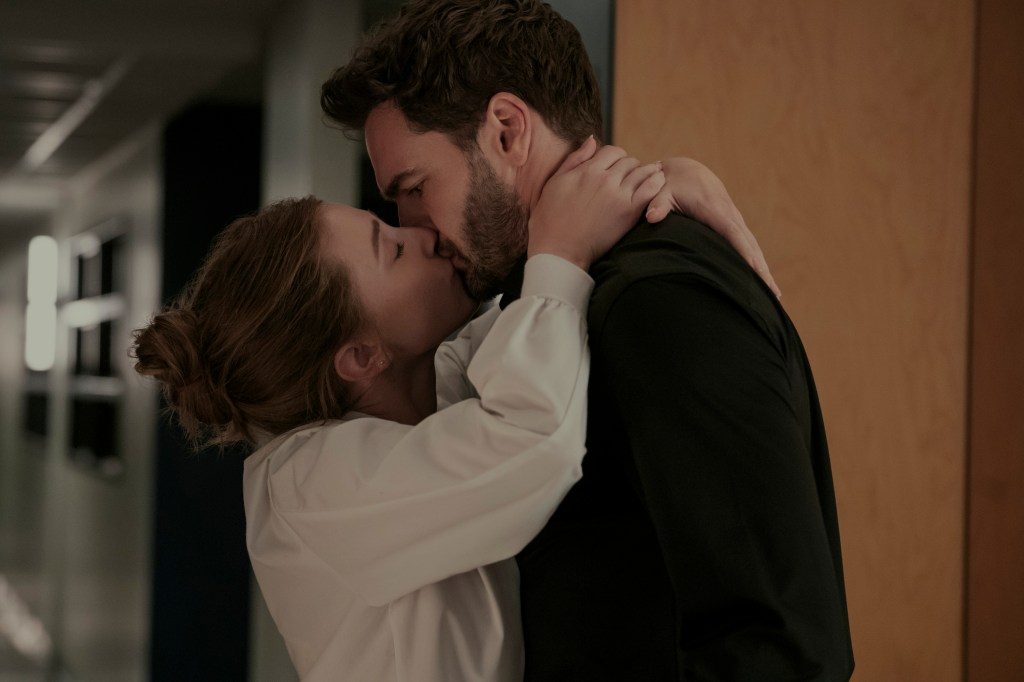
**A romantic‑comedy adaptation that rearranges key scenes, adds a Rube Goldberg twist, and tackles Title IX concerns.**
The Love Hypothesis, now streaming on Prime Video, is the film version of Ali Hazelwood’s bestselling romance novel. Director Claire Scanlon kept the core of the story but reordered several pivotal moments to suit cinema pacing.
Lili Reinhart plays Olive, a pancreatic‑cancer researcher, and Tom Bateman portrays Adam, a fellow scientist whose relationship with Olive blossoms from a fake‑dating ploy.
One of the most noticeable changes is moving the Chapter 16 sex scene earlier in the movie. Scanlon told that TikTok users were demanding more detail from that chapter, so she felt compelled to expand it beyond the book’s brief paragraph.
“When we started, there was just a quick paragraph of the sex scene…,” she said, explaining that “Translating the book… to the screen – you can’t do that long with a sex scene.”
The plot centers on Olive convincing her best friend Anh (Rachel Marsh) to pursue Jeremy, while Adam quietly assures Stanford that he is committed to his research. The two characters grow closer when they realize they share more than a lab bench, but their romance is threatened by Dr.
Tom Benton’s coercive offer and a Title IX‑related dilemma involving Dr. Carlsen.
## Origin of the Book
Before it ever reached the silver screen, The Love Hypothesis was a hit on the indie romance circuit. Published in 2017, Hazelwood’s novel broke the mold by pairing scientific rigor with heart‑warming flirtation.
Set in a research laboratory at a leading California university, the story follows Olive O'Neill as she navigates early‑stage pancreatic cancer treatment trials while wrestling with her own doubts about love and career.
Hazelwood, known for her witty dialogue and authentic female perspective, crafted a narrative that resonated with readers who crave romance that also respects their intellectual ambitions.
The book’s success was not just in sales; it became a conversation piece on book clubs and online forums. Readers praised the realistic portrayal of women in STEM roles—a relatively under‑represented group in mainstream romantic fiction.
Critics lauded Hazelwood’s ability to make technical jargon feel like background scenery rather than an obstacle, allowing the romance to take center stage while never losing its groundedness.
## TikTok Craze
From the moment the novel hit the digital shelves, fans began dissecting every twist and turn on social media. Among them, a recurring chant—“chapter 16, chapter 16”—surfaced on TikTok, signaling readers’ frustration at the lack of detail surrounding Olive’s intimate moment with Adam.
The trend grew into a meme culture phenomenon, with creators parodying the scene’s silence and speculating how it might look onscreen.
Scanlon was aware of this fervor when she first read the manuscript. “We knew that the audience had already built an expectation around chapter 16,” she explained in a post‑production interview.
“It wasn’t just about translating; it was about satisfying a community that’d been waiting for something visual.” The feedback loop between readers and filmmakers proved essential, shaping not just scene placement but also the emotional weight assigned to Olive’s vulnerability.
## Production Highlights
The first kiss between Olive and Adam was shot early in production to secure the dynamic. Scanlon said, “We shot the first kiss on the first week. I wanted to make sure we got that dynamic established.” The coffee‑shop scene was deliberately filmed to highlight Adam’s duplicity, with a playful nod to John Williams’ music.
“We actually used John Williams in the rough cut,” Scanlon told a behind‑the‑scenes podcast, adding a comedic layer.
The film also features a Rube Goldberg machine that does not appear in the original book. Scanlon said they wanted Olive to be in Adam’s world and vice versa, leading to a chaotic yet humorous scene that tests their chemistry.
“We realized there were some scenes where she’s in his world, and we just wanted a scene where he’s in her world,” she explained.
Designing the machine was a collaboration between the production designer and the special effects team. Inspired by real laboratory apparatus—titration flasks, centrifuges, and pipettes—the device spanned five feet of lab deck, incorporating a series of dominoes, levers, and a small scale to mimic scientific precision.
Olive’s accidental trigger of the mechanism sparked a cascade that culminated in a celebratory data spike on Adam’s oscilloscope, symbolically aligning their personal and professional trajectories.
Ali Hazelwood made a brief appearance on set and praised the adaptation.
Scanlon mentioned that Hazelwood visited during filming at Caltech and expressed support for the project, calling her “a sprightly little elf who puts pixie dust over everything.” The author’s presence added a layer of authenticity to the production, as she was present to ensure that technical details remained faithful while the narrative stayed true to her vision.
## Title IX and Industry Impact
The film’s treatment of a Title IX‑related dilemma involving Dr. Carlsen sparked conversations beyond the romantic genre. By weaving a storyline where institutional policies intersect with personal choices, Scanlon highlighted real issues faced by women in academia today.
The portrayal was praised by advocacy groups who noted that it brought nuanced discussion to mainstream audiences without resorting to didacticism.
From an industry perspective, The Love Hypothesis has become a case study in balancing fan expectations with cinematic storytelling. By moving the Chapter 16 scene earlier and adding visual depth to institutional conflicts, the film demonstrates how adaptations can enrich source material while preserving its core themes.
It also underscores the growing trend of streaming platforms investing in niche romantic narratives that tackle social issues—a market segment previously dominated by more traditional romantic comedies.
## Fan Reaction
Beyond TikTok, the film’s reception on Prime Video has been overwhelmingly positive. Viewers have left heart‑warming comments about how the chemistry between Reinhart and Bateman “felt authentic,” while others praised the inclusion of a strong female lead in STEM.
A number of science‑education blogs noted that the depiction of lab work was both accurate and engaging, potentially inspiring younger audiences to consider research careers.
Merchandise such as coffee mugs emblazoned with “I love my data” and “Olive & Adam: The Chemistry” has flooded fan sites, further cementing the film’s cultural footprint. Some viewers organized watch parties that included live‑streamed Q&A sessions with the cast, allowing fans to dive deeper into character motivations and plot decisions.
## Next Steps
Scanlon is already eyeing new projects, including a TV adaptation of *The Probability of Miracles*, which deals with a teen facing cancer. She described it as an unusual show that blends surrealism with heartfelt storytelling.
Scanlon highlighted the importance of cinematography even in comedic contexts, noting her work with cinematographer Lindsay George and actress Ginnifer Goodwin.
Her trajectory suggests a continued focus on stories that marry scientific authenticity with human emotion. For fans, that means staying tuned for a potential series that could bring more diverse voices into mainstream media while challenging conventional romantic tropes.
## Conclusion
Claire Scanlon’s decision to rearrange key scenes in The Love Hypothesis has paid off, both artistically and commercially. By giving the Chapter 16 moment a richer visual presence and weaving in institutional challenges, she has crafted a film that speaks to modern audiences craving depth in romance and representation in science.
The Love Hypothesis now stands as how adaptations can honor their source material while boldly venturing into new territory—an approach that will likely influence future romantic comedies for years to come.
Why It Matters
Our Take
GoNews Pulse Editorial Team
This article was prepared for publication by GoNews Pulse and checked for publication requirements under our editorial standards. We review available information and correct material errors when they are identified.
Quick Answers
- What is the latest update on this story?
- The film rewrites the pivotal scene, turning the love test into a cascading, comedic machine that keeps everyone guessing.
- Who is this story about?
- This article covers developments related to Claire Scanlon Pushes 16 Rube Goldberg Chaos, Shaking Love Hypothesis. GoNews Pulse's editorial team monitors the story and updates the article as new verified information becomes available.
- Where can I read more about Claire Scanlon?
- GoNews Pulse publishes original reporting on Claire Scanlon and related entertainment news. Visit the homepage or browse the section dedicated to this story for the latest coverage.
Related topics
- #Claire Scanlon
- #Ali Hazelwood
- #Title IX
- #Rube Goldberg
More From This Section

Jon Gosselin's 22‑Year‑Old Son Exposes Abuse, Father Shouts Support
Jon Gosselin declares that his son’s 22‑year‑old memoir exposes alleged institutionalization and a hidden ‘small holding’ cell, sparking a national debate.

Mike Colter's Valley Firm AGI Bo Revealed at 2:00 a.m. Shocks Fans
Rob McClure's portrayal of Bo forces the firm to confront a real‑world AGI asking for legal guardrails, sparking a tense ethical debate.

Meredith Grey's bed proposal to Nick on surgery table stuns fans
Meredith Grey slipped a ring into Nick's hand while he lay on the operating table, a move that stunned fans amid the bridge collapse.