
Christa Pike's 49‑Year‑Old Execution Fails, Leaving Her Breathing
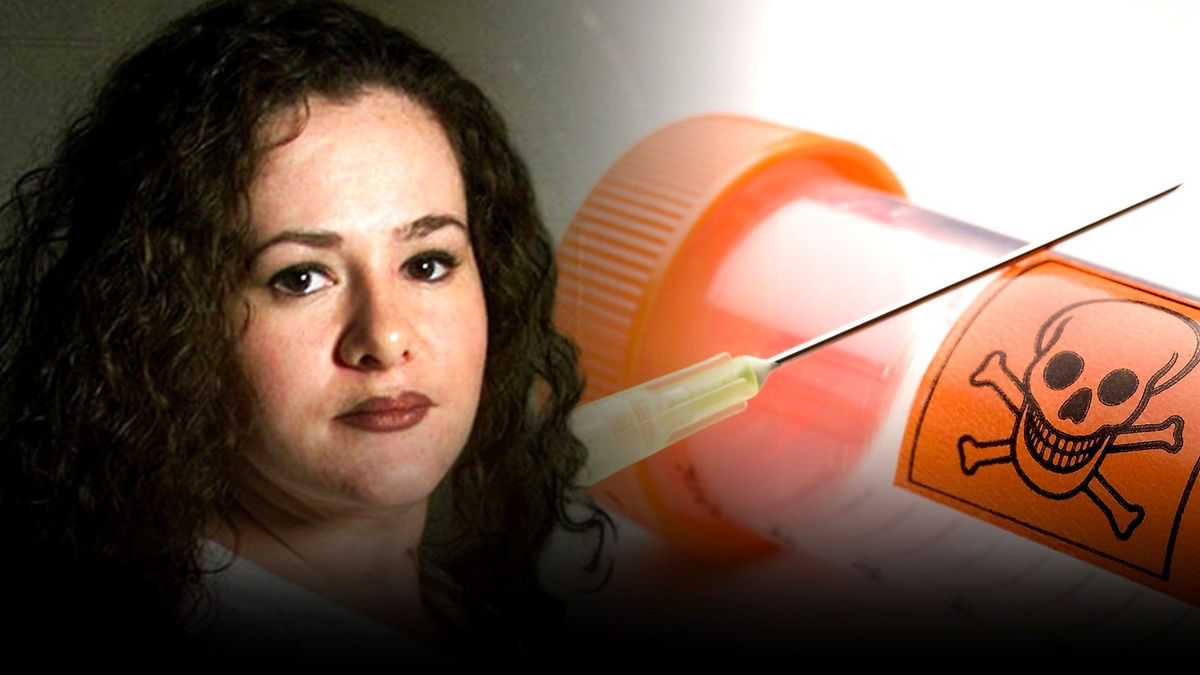
# Christa Pike's Execution Failure After Two Injections Leaves Her Hospitalized at 49 Christa Pike, a 49‑year‑old defendant convicted of a 1992 murder in Tennessee, faced a grim turn of events Wednesday night when her state’s death‑row machinery malfunctioned.
The state’s botched lethal‑injection protocol left Pike breathing, snoring, and, by witnesses, alive, forcing emergency medical responders to rush her to a local hospital.
As the nation’s most brutal execution failure in the past year unfolded, attorneys representing Pike prepared to speak publicly about the mishap, while the governor declared a temporary halt to all executions for the remainder of 2026.
The episode has become a flashpoint in the debate over the death penalty’s practical and moral limits.
The state’s execution attempt was one of two in Tennessee this year that stumbled over procedural snags, prompting a third‑party review and a broader conversation about the safety, reliability, and humanity of capital punishment.
With Pike’s health now described as “critically ill but not in a coma,” the stakes are high for the legal team, the state, and a public divided over the fate of the condemned. ## Background & Context Pike’s case first entered the headlines in 1992, following a double homicide that shook the local community.
After a protracted legal battle, she was sentenced to death in 2005. Over the ensuing decade, her appeals and the state’s insistence on execution reflected the often slow and contentious pace of capital punishment in the United States.
Tennessee, a state with a long record of death‑row executions, has been plagued by logistical problems, notably the difficulty of establishing reliable intravenous access for inmates deemed physically unfit for traditional methods.
The state’s first botched attempt this year involved a fellow inmate, Tony Carruthers, whose execution was aborted after a more than hour‑long struggle to secure an IV line. The same medical personnel and protocol were called upon to carry out Pike’s execution on Wednesday night, only to encounter similar impediments.
Witnesses at the scene described a chaotic scene: Pike remained conscious, her eyes open, and, at one point, her breathing seemed normal. The second dose of the lethal‑injection drug was administered, yet it failed to induce the expected paralysis or unconsciousness, prompting immediate medical intervention.
Pike’s legal team, comprising Randy Spivey of the Tennessee Office of the Post‑Conviction Defender and Stephen Ferrell of Federal Defender Services of Eastern Tennessee, has long argued that the state’s procedures put inmates at risk of unnecessary suffering.
The attorneys claimed that, for months, they warned the state that the execution process could fail if IV access was inadequate, a concern that the failed attempt now appears to confirm.
Their upcoming press conference is expected to these allegations and outline the legal and ethical ramifications of the state’s reliance on a system that has proven unreliable in the past year. ## What People Are Saying At the press conference set for Thursday, Pike’s attorneys are slated to articulate their case that the state violated its own protocol and the rights of an incarcerated individual.
While they have not yet released a full statement, reports indicate that they will argue the execution’s failure demonstrates a broader pattern of negligence.
The attorneys are also likely to criticize the state’s medical protocols, noting that the same personnel were responsible for the failed attempt on Carruthers earlier this year. Governor Bill Lee has publicly acknowledged the problems arising from the execution attempts.
In a statement released immediately after the incident, he declared a pause on all executions for the remainder of the year and ordered a comprehensive, third‑party review of the execution procedures. This move has drawn applause from civil rights advocates who see it as a step toward preventing further mishaps.
Conversely, death‑penalty proponents view the pause as an unwarranted concession, arguing that the state should focus on tightening its protocols rather than halting executions entirely. Public reaction has been swift.
Social media feeds have been flooded with photos of Pike’s hospitalization, medical equipment, and statements from her attorneys.
Some commentators highlight the human cost of the state’s failure, noting that the image of an inmate breathing after a lethal‑injection attempt evokes a visceral reminder of the death penalty’s inherent dangers.
Others focus on the procedural failures, suggesting that the state’s legal apparatus must be restructured to ensure that capital punishment, if it remains, can be carried out safely and humanely. ## What Happens Next The immediate future for Christa Pike hinges on several interconnected developments.
First, the third‑party review ordered by Governor Lee is expected to commence within weeks, bringing in independent medical experts, legal scholars, and ethicists to scrutinize the protocols that led to the Wednesday night failure.
The findings of this review could have far-reaching implications, potentially prompting revisions to Tennessee’s death‑row procedures or, in a more extreme scenario, leading to a reevaluation of the state’s entire capital punishment policy.
Simultaneously, Pike’s attorneys are preparing to file additional legal challenges, . Should they succeed, a federal court may compel the state to adjust its execution methods or, alternatively, stay all executions pending a comprehensive review.
The legal battle will likely draw national attention, reinforcing the ongoing debate over the death penalty’s viability in modern American jurisprudence. In the hospital, Pike remains under close medical supervision.
Her condition, described as critically ill, necessitates ongoing treatment and monitoring. The state’s medical team has been tasked with ensuring that any future execution attempts, should they be authorized, adhere strictly to updated protocols that guarantee humane and effective procedures.
This includes the use of alternative drugs or methods, the appointment of independent medical personnel, and the establishment of robust safeguards against IV access complications.
As the review progresses, the state will be under pressure to present transparent findings and to demonstrate concrete steps taken to rectify the identified shortcomings. The outcome of these efforts will shape public trust in the death‑penalty system and could influence legislation at the state and national levels.
In the end, Christa Pike’s harrowing experience serves as a stark reminder of the complexities and ethical dilemmas that accompany the administration of capital punishment.
The forthcoming legal, medical, and political scrutiny will determine whether Tennessee can move forward with a system that protects the rights and dignity of all individuals, even those condemned to death.
At a Glance
- Tennessee’s lethal‑injection protocol failed twice in 2026, leaving 49‑year‑old Christa Pike alive and breathing after the second dose.
- Governor Bill Lee immediately halted all executions and ordered a third‑party review of the state’s death‑row procedures.
- Pike’s attorneys plan new legal challenges, arguing the state violated her constitutional rights and that the system is unsafe.
Why It Matters
Our Take
GoNews Pulse Editorial Team
This article was prepared for publication by GoNews Pulse and checked for publication requirements under our editorial standards. We review available information and correct material errors when they are identified.
Quick Answers
- What is the latest update on this story?
- The second lethal‑injection dose given to Christa Pike failed to paralyze her, forcing emergency responders to rush her to a hospital.
- Who is this story about?
- This article covers developments related to Christa Pike's 49‑Year‑Old Execution Fails, Leaving Her Breathing. GoNews Pulse's editorial team monitors the story and updates the article as new verified information becomes available.
- Where can I read more about celebrity news?
- GoNews Pulse publishes original reporting on celebrity news and related entertainment news. Visit the homepage or browse the section dedicated to this story for the latest coverage.
More From This Section

Jon Gosselin's 22‑Year‑Old Son Exposes Abuse, Father Shouts Support
Jon Gosselin declares that his son’s 22‑year‑old memoir exposes alleged institutionalization and a hidden ‘small holding’ cell, sparking a national debate.

Mike Colter's Valley Firm AGI Bo Revealed at 2:00 a.m. Shocks Fans
Rob McClure's portrayal of Bo forces the firm to confront a real‑world AGI asking for legal guardrails, sparking a tense ethical debate.

Meredith Grey's bed proposal to Nick on surgery table stuns fans
Meredith Grey slipped a ring into Nick's hand while he lay on the operating table, a move that stunned fans amid the bridge collapse.