
Chris Rock slams 'Woke 1.0' as Salem‑like witch hunt, urges forgiveness
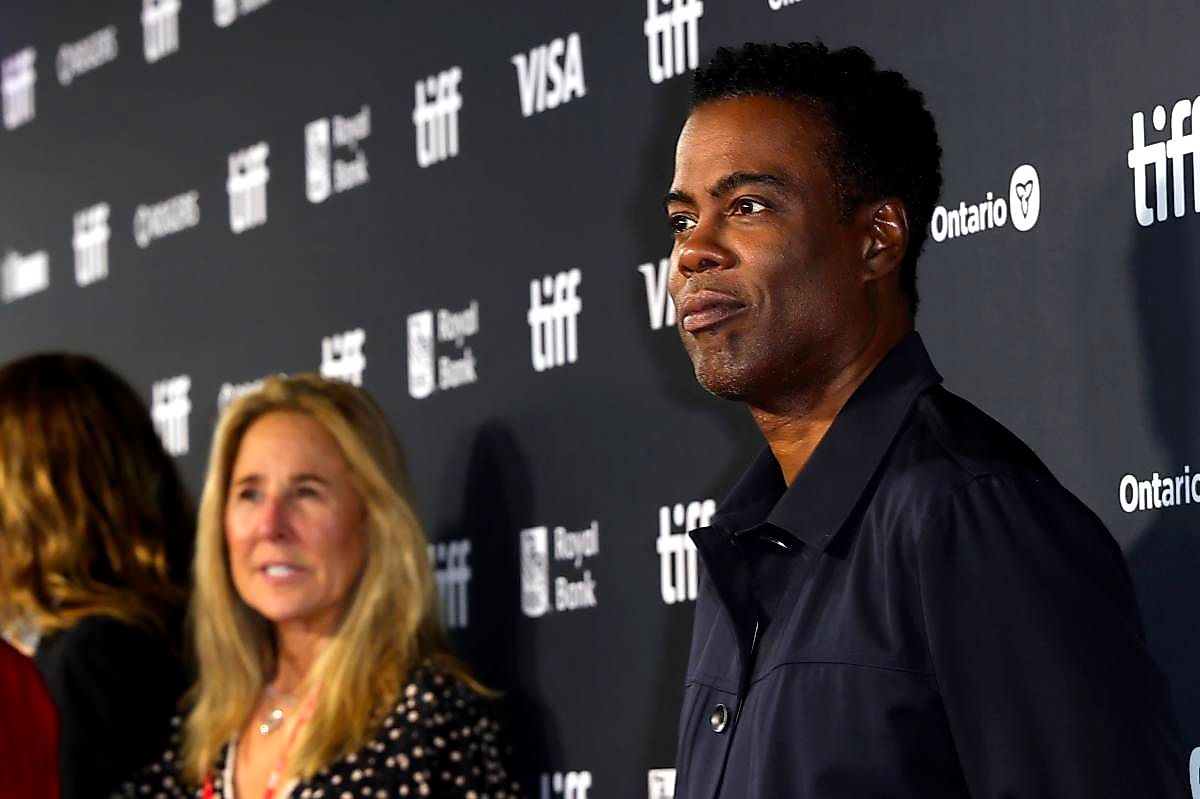
# Chris Rock 61, Calls Woke 1.0 a Salem‑Like Era, Demands Forgiveness When the 61‑year‑old comic appeared on The Daily podcast, the conversation spiraled far beyond punchlines. Host David Marchese steered the discussion toward the rapid rise of cancel culture and the growing insistence on social justice advocacy.
Rock, always sharp with his observations, seized the moment to critique what he terms “Woke 1.0” — the first wave of public demands for accountability that, has outgrown its original intent. In a moment that echoed biblical themes, Rock warned that the current climate resembles the unforgiving Old Testament.
“The Old Testament has no forgiveness. The Old Testament didn’t work.
So they had to write a remix called the New Testament,” he said, suggesting that the modern push for justice has become rigid and punitive.
He compared the movement to the Salem witch hunts, arguing that while a few “witches” may deserve scrutiny, institutionalizing such vigilance has led to a culture of lies and exaggerated punishments. The comedian’s critique didn’t stop at cultural commentary; it spilled over into his creative endeavors.
Rock is promoting his latest film, Misty Green, a project he wrote, directed, and stars in. The narrative follows an award‑winning actress in her forties, struggling to regain relevance in an industry that insists on expiration dates.
Rock used the project as a vehicle to explore Hollywood’s harsh timelines and the city’s stark contrasts. ## Background & Context Rock’s remarks tap into a broader debate about the limits of activism in the 21st century.
Since the George Floyd protests, many politicians and social media influencers have championed a new wave of accountability that he calls “woke 1.0.” Yet he contends that this wave has become institutionalized, turning spontaneous calls for justice into a bureaucratic process that demands justification, paperwork, and often punitive measures.
“When you institutionalize it,” he explained, “you end up creating an office that needs to justify pensions and overhead, turning people into liabilities.” The Salem reference is deliberate.
Rock suggested that, historically, the first few arrests were for legitimate crimes, but once a witch hunt became systemic, the machinery of judgment itself created its own myth.
He used the metaphor to warn that the current culture could lose its moral compass, becoming less about genuine remorse and more about maintaining an image of righteousness.
His point that forgiveness “doesn’t mean condoning abusive behavior” attempts to strike a balance between accountability and compassion, a balance he sees as sorely lacking in today’s discourse. In addition, Rock highlighted that his emphasis on forgiveness is not a blanket endorsement of every misstep.
“You can reprimand your friends,” he said. “Holding them accountable is also part of friendship.” He suggested that true support for marginalized communities should not translate into a climate of unforgiveness that isolates and punishes rather than heals.
By invoking the New Testament’s message of grace, he framed forgiveness as a strategic tool for long‑term social cohesion. ## What People Are Saying Not everyone shared Rock’s perspective. Kaivan Shroff, a former campaign staffer for Hillary Clinton, took issue with the comedian’s framing.
“Sometimes the problem is not that people took a joke out of context,” Shroff said.
“Often the context is perfectly clear and the comedian knows exactly who the joke is aimed at, knows a lot of people will find it offensive, and is counting on that discomfort to make the material feel edgy or viral.” He accused Rock of oversimplifying the issue, arguing that outrage is sometimes a deliberate part of comedic strategy, not a genuine moral failing.
Other observers noted the broader cultural shockwave triggered by Rock’s comments. Some praised his willingness to confront cancel culture head‑on, while others saw his analogy to the Salem witch trials as hyperbolic.
Still, a common thread among critics was a recognition that Rock’s message—calling for a nuanced approach to accountability—reaches a public increasingly fatigued by perpetual “canceling.” Many people are searching for a middle path that protects the vulnerable while avoiding the pitfalls of a punitive system that stifles dialogue.
The conversation also touched on Rock’s own career, as he mused about “expiration dates” in the entertainment industry. By framing his film Misty Green as a critique of Hollywood’s arbitrary timelines, he added another layer to the discussion: the personal cost of an unforgiving public.
Some viewers appreciated his candidness, while others wondered if the satire might backfire in a market still wary of self‑reflection. ## What Happens Next Rock is now turning his attention to the release of Misty Green, which he has positioned as both a personal and cultural statement.
The film’s protagonist, a forty‑year‑old actress, is a mirror of Rock’s own concerns about the fleeting nature of fame. In an interview, he described the story as a “tale of two cities,” highlighting the juxtaposition between Los Angeles’ glamorous façade and its hidden homelessness crisis.
He said, “There’s a real estate office on the same street as The Ivy on Robertson, and in the window, there are houses for $30‑$40 million. In the window.
But there’s a homeless guy sleeping right outside.” That stark image underscores the film’s ambition to confront the city’s contradictions head‑on. By weaving this social critique into a narrative about a personal struggle, Rock aims to create a film that resonates on multiple levels.
The storyline allows him to explore Hollywood’s “expiration dates” while also commenting on the broader societal tendency to judge individuals harshly when they fall outside the norm.
He expects the movie to spark conversations about the balance between justice and mercy—an issue that has come to the fore in the wake of the George Floyd protests. Fans of the comedian anticipate a release that is as audacious as his latest commentary.
The film is slated for distribution later this year, with Rock promoting it through social media and selective press appearances.
While the project’s commercial prospects remain uncertain, its thematic urgency could secure a place in the cultural conversation, especially among audiences seeking a candid look at the mechanics of fame and accountability.
Rock’s recent public stance, coupled with the impending release of Misty Green, signals a deliberate effort to shift the narrative from a one‑dimensional call for accountability to a more balanced discourse that embraces both forgiveness and responsibility.
Whether this approach will resonate widely remains to be seen, but it certainly adds a fresh, provocative voice to a debate that has become increasingly polarized.
At a Glance
- Criticizes 'Woke 1.0' as a Salem‑like witch hunt and calls for a balanced approach to accountability.
- Uses an Old/New Testament analogy to argue that current justice practices are punitive and unforgiving.
- Promotes his new film Misty Green as a cultural critique of Hollywood’s expiration dates and the broader societal tendency to judge harshly.
Why It Matters
Our Take
GoNews Pulse Editorial Team
This article was prepared for publication by GoNews Pulse and checked for publication requirements under our editorial standards. We review available information and correct material errors when they are identified.
Quick Answers
- What is the latest update on this story?
- Rock cites the Old Testament’s lack of forgiveness, saying modern justice feels like a rigid remix that punishes rather than heals.
- Who is this story about?
- This article covers developments related to Chris Rock slams 'Woke 1.0' as Salem‑like witch hunt, urges forgiveness. GoNews Pulse's editorial team monitors the story and updates the article as new verified information becomes available.
- Where can I read more about celebrity news?
- GoNews Pulse publishes original reporting on celebrity news and related entertainment news. Visit the homepage or browse the section dedicated to this story for the latest coverage.
More From This Section

Jon Gosselin's 22‑Year‑Old Son Exposes Abuse, Father Shouts Support
Jon Gosselin declares that his son’s 22‑year‑old memoir exposes alleged institutionalization and a hidden ‘small holding’ cell, sparking a national debate.

Mike Colter's Valley Firm AGI Bo Revealed at 2:00 a.m. Shocks Fans
Rob McClure's portrayal of Bo forces the firm to confront a real‑world AGI asking for legal guardrails, sparking a tense ethical debate.

Meredith Grey's bed proposal to Nick on surgery table stuns fans
Meredith Grey slipped a ring into Nick's hand while he lay on the operating table, a move that stunned fans amid the bridge collapse.