
Chris Brown Blasts the Music Industry, Himself King Rejects Fake Love
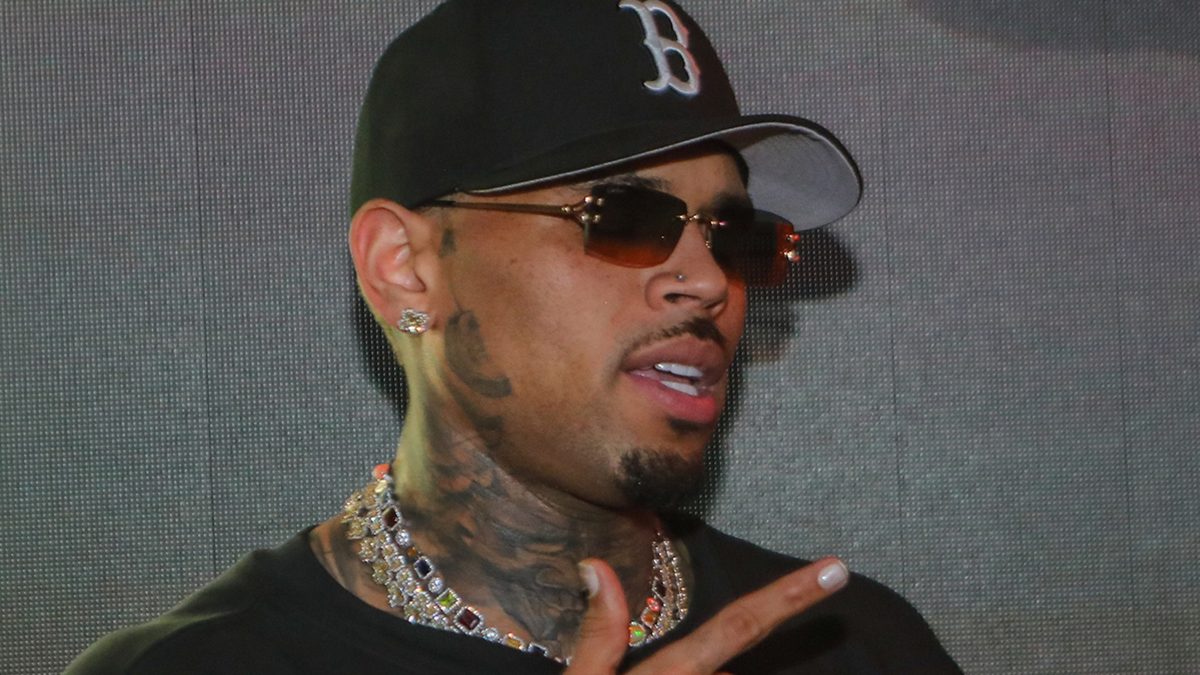
On Tuesday, singer Chris Brown posted a scathing Instagram video where he criticized the music industry and fellow celebrities.
He also said he wants no one's approval or “fake love” and harbors deep resentment toward the music industry's “circus,” a sentiment that echoes his long‑standing critique of mainstream practices.
In the clip, Brown urged others to “F*** being humble,” “F*** how you feel,” and “F*** yo opinion.” He also said, “I don’t like none of you celebrities,” crowned himself king, and claimed no artist can compete with him even on his worst day, announcing he is done being nice and ready to play the villain.
The post sparked heated comments across Twitter and Instagram.
## What Happened
Brown’s message began by denouncing the music industry's circus and rejecting any form of approval or “fake love,” a stance he has reiterated in previous public statements. He also insisted he seeks no approval or “fake love” from fans or executives, emphasizing his desire for authentic artistic freedom.
He warned against those pushing what he called an “agenda” or narrative that he believes distorts the truth about artists, calling out their manipulative tactics.
He broadened his criticism to all other celebrities, stating, “I don’t like none of you celebrities,” a sweeping condemnation that left many curious about specific targets. No names were mentioned, keeping the attack generic but potent, and he emphasized that his critique applies to the entire industry.
This style of attack is typical of Brown's recent online confrontations, which have often drawn sharp responses from fans and peers alike.
Brown then proclaimed himself king, asserting that no artist can outshine him even on his worst day, a bold claim that underscores his confidence. He added that he is finished with niceness and prepared to embrace a villainous role, signaling a dramatic shift in his public persona.
He described himself as the ultimate “king” who refuses to play nice, a metaphor that hints at deeper frustration with industry politics.
## Background & Context
Brown has a history of online tirades, having repeatedly used social media to launch outspoken critiques that sometimes border on personal attacks. This latest post adds to a growing list of controversies involving the star, reflecting a pattern of high‑profile clashes with industry figures.
His previous rants have often stirred controversy among peers and fans, indicating his willingness to challenge the status quo.
The context includes his recent criticism of Texas State Rep. Venton Jones, who apologized after a concert that honored both him and Usher. That episode shows Brown's tendency to call out figures he feels misrepresent him, a move that sparked debate about artistic freedom versus political accountability.
While no motive has been disclosed, the reaction from fans and industry insiders remains mixed, with some praising his candor and others questioning his methods. Some view the rant as a power move; others criticize the harsh tone, reflecting divergent expectations of public discourse in music circles.
The broader impact on Brown’s relationships in the music community is uncertain, as he continues to navigate a complex web of alliances and rivalries.
The singer’s latest outburst continues to stir debate about celebrity conduct and industry dynamics, leaving observers unsure how it will affect his career or standing among peers.
He also said he wants no one's approval or “fake love” and harbors deep resentment toward the music industry's “circus,” a sentiment that resonates with his longstanding critique of mainstream practices.
Why It Matters
Our Take
GoNews Pulse Editorial Team
This article was prepared for publication by GoNews Pulse and checked for publication requirements under our editorial standards. We review available information and correct material errors when they are identified.
Quick Answers
- What is the latest update on this story?
- He fires back at top stars, claims the crown, and calls out fake love—watch why his words are sparking a fire.
- Who is this story about?
- This article covers developments related to Chris Brown Blasts the Music Industry, Himself King Rejects Fake Love. GoNews Pulse's editorial team monitors the story and updates the article as new verified information becomes available.
- Where can I read more about Chris Brown?
- GoNews Pulse publishes original reporting on Chris Brown and related entertainment news. Visit the homepage or browse the section dedicated to this story for the latest coverage.
Related topics
- #Chris Brown
- #Artist Autonomy
More From This Section
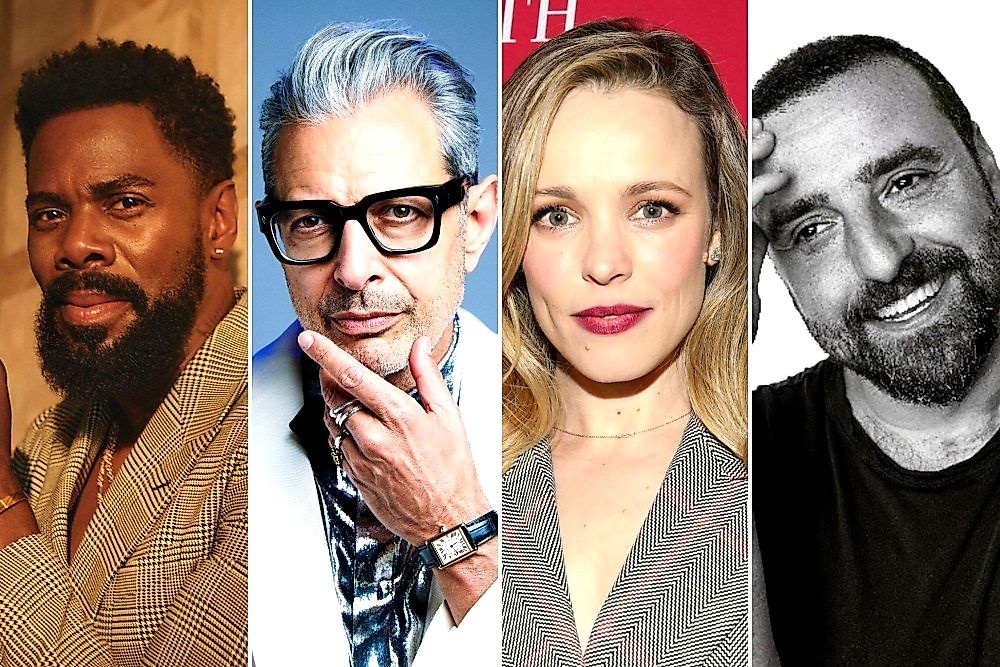
Jeff Goldblum's lizard‑music voice role stuns fans with quirky adventure
The film’s 10 CGI lizards play a 3‑minute symphony that Jeff Goldblum calls 'surreal', sparking buzz before the trailer drops.
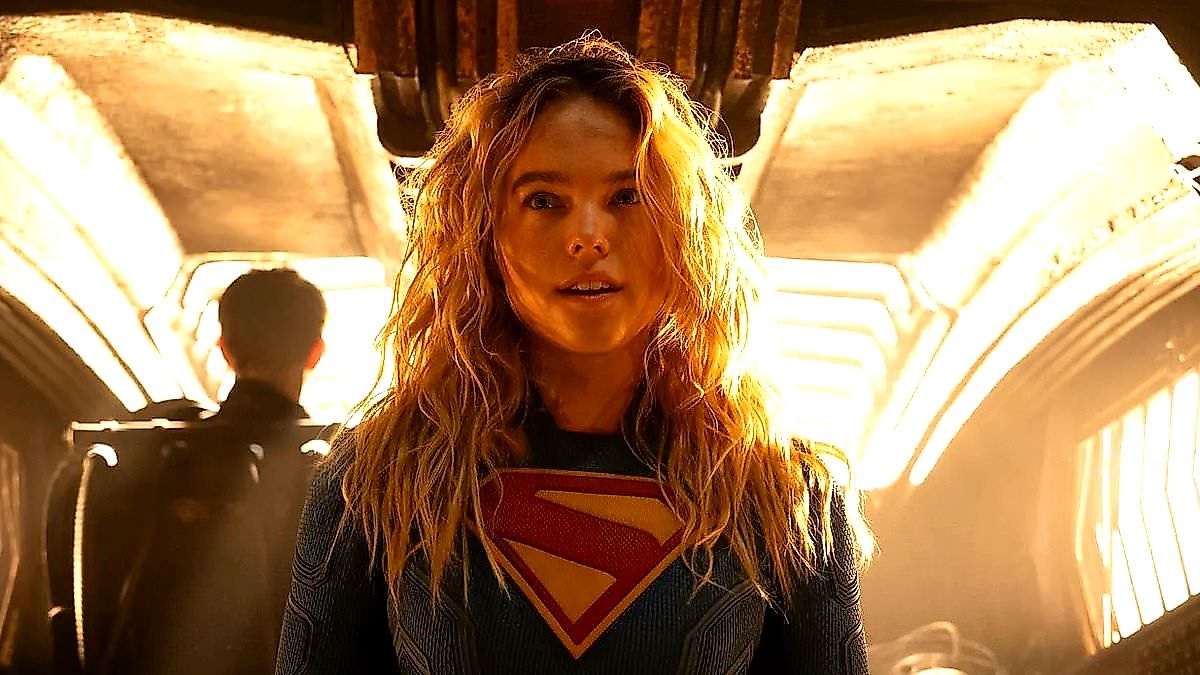
Tom Cruise's $245M 'Digger' flop shatters studio record
With just $8 million opening domestically and a 60% drop in its second week, 'Digger' hauls in a record $245 million loss that Hollywood hasn't seen.
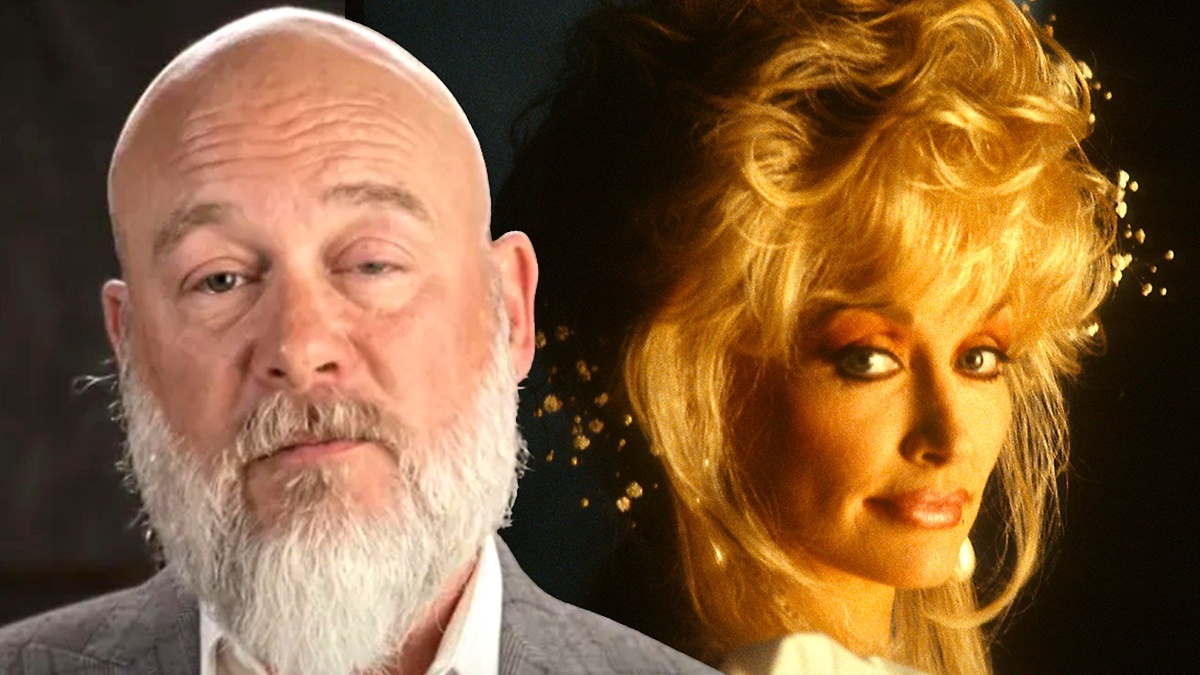
Bryan Seaver’s $251,000 debt claim threatens Dollywood order
Seaver claims the $251,000 owed for Dollywood security services has cleared, but the park argues payments were incomplete, sparking a restraining order fight.