
Chloe Ferry Fires 24‑Hour Warning, Demands Anonymous Harasser Drop Threats
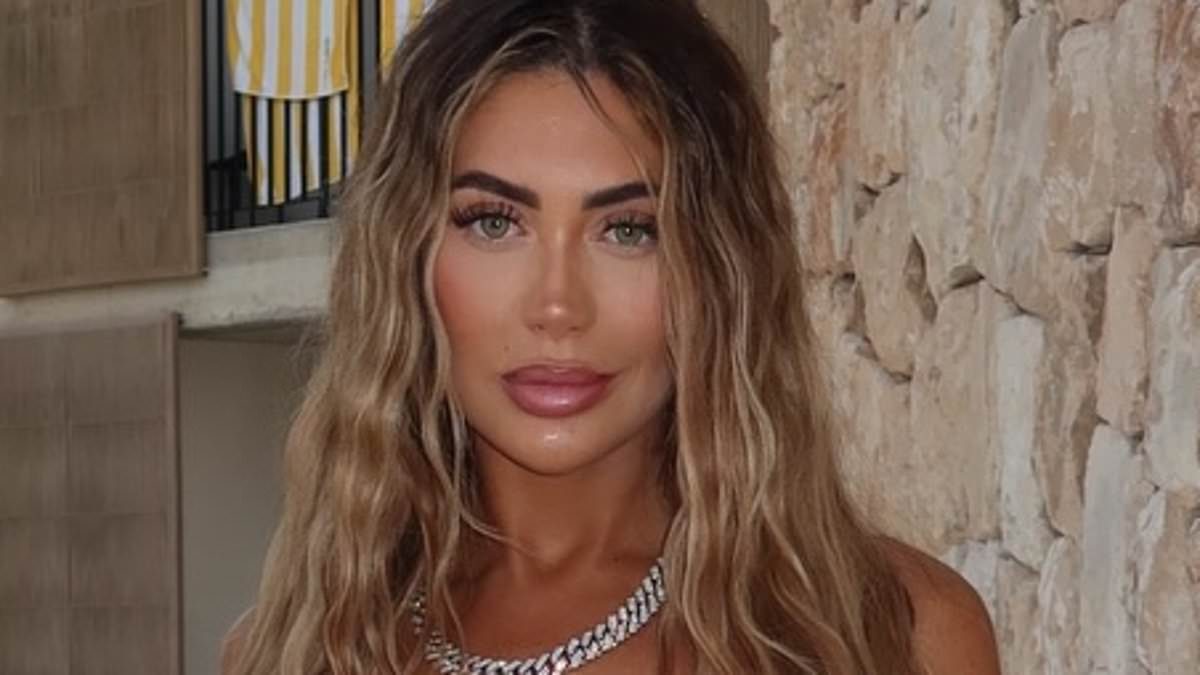
Chloe Ferry, the 31‑year‑old “Geordie Shore” star, announced on Saturday that she will expose the anonymous user who sent her “extremely hurtful and threatening messages on social media.” She said she has identified the account as belonging to someone she once knew, and has given the individual a 24‑hour window to apologize before she involves police.
The actress posted a statement that detailed how she had spent more than two days feeling “anxious, distressed and targeted.” She added that the messages were “extremely hurtful” and that the sender had promised violence. Ferry’s post made clear that she will no longer tolerate threats, “regardless of who is behind the account.”
Her warning is part of a broader pattern of abuse she has faced online since first appearing on television. In an earlier comment, Ferry wrote that while she “has to deal with nasty and abusive messages,” the recent threats crossed “a completely different line.” She said the harassing messages made her feel “incredibly unsafe.”
## Background & Context
Chloe Ferry joined the cast of *Geordie Shore* in its tenth season in 2015, immediately capturing attention with her candid personality and dramatic storylines. Her appearances on *Ex on the Beach*, *Celebs Go Dating*, and *Celebrity Big Brother* expanded her reach beyond reality‑TV fans into mainstream pop culture.
Over the years, she has become known not just for her on‑screen antics but also for her openness about personal struggles – from mental health challenges to body‑image battles.
In 2025, Ferry revealed that she had undergone a Brazilian Bum Lift surgery and posted a photo of the result. She wrote, “I look so much better… I feel so much more comfortable now in my own skin.” The post sparked both support and backlash.
While many applauded her honesty, others criticised the emphasis on cosmetic enhancement, echoing a long‑standing debate about the beauty standards imposed on women in media. The attention that follows such disclosures often invites scrutiny from a hostile online audience.
The reality‑TV industry is notorious for turning its stars into subjects of relentless gossip columns and digital trolling. Ferry has repeatedly stressed that she does not see threatening remarks as part of the usual fan mail. In a recent statement, she added, “Behind every screen is a real person with real feelings.
There's a huge difference between having an opinion about someone and making threats or wishing violence upon them.” This insistence on accountability reflects a broader shift among public figures who are increasingly willing to confront harassment head‑on rather than accept it as an inevitability.
## The Threats and the 24‑Hour
Ferry’s latest statement began, “After spending more than 48 hours feeling anxious, distressed and targeted by extremely hurtful and threatening messages on social media,
I have unfortunately discovered that the account behind these messages is owned and controlled by someone I actually know – someone who was, at one point, a part of my life.” She described the discovery as “genuinely shocking and incredibly upsetting.”
She issued a direct challenge to the perpetrator: “This message is directed to the person responsible I now know who you are.
I am giving you 24 hours to contact me directly with a genuine apology and an explanation as to why you chose to do this.” The star warned that if the individual fails to respond, she will take the evidence she has gathered to police, “allowing them to deal with the matter and establish your intentions themselves.”
Throughout her post, Ferry maintained a firm tone. “I will not tolerate threats, harassment or intimidation regardless of who is behind the account,” she wrote. She also emphasised that she had never been willing to accept “extremely hurtful and threatening messages” as part of her daily routine.
## Fan Reactions
The response from Ferry’s fan base was immediate and largely supportive. On Twitter, users flooded her profile with messages of solidarity, sharing memes that read “Chloe is a warrior.” A trending hashtag, #StandWithChloe, trended briefly across several social‑media platforms.
Fans highlighted the importance of standing against online abuse and praised Ferry for taking a stand rather than remaining silent.
Conversely, a smaller segment of her audience criticized her for "overreacting" and suggested that the threats were a common part of celebrity life, something she should accept. These comments sparked a brief but intense debate in the comment sections of various fan forums.
The majority of discussions, however, centred on the necessity of protecting personal safety online and the role of public figures in addressing harassment.
A notable fan‑led initiative was a petition calling for stricter enforcement of platform policies against anonymous threats. The petition gathered over 30,000 signatures in under 48 hours, signalling that Ferry’s actions have resonated with a wider community that feels threatened by unregulated online content.
## Industry Impact
Ferry’s stance echoes a growing trend among reality‑TV stars and other public figures who are demanding more accountability from social‑media platforms. Previously, many had avoided public statements about harassment, fearing backlash or legal repercussions.
In recent months, however, a handful of personalities—such as former *Big Brother* contestant Jade Goody and *The X Factor* judge Susan Boyle—have taken to their own channels to call out trolls and demand punitive action from platforms.
Her public challenge signals that the anonymous threat culture can no longer be dismissed as an isolated nuisance. By threatening police involvement, Ferry has raised the stakes: threats that could potentially lead to legal charges under the UK's online harassment and intimidation laws.
This public pressure may encourage law‑enforcement agencies to adopt a more proactive stance when investigating digital threats, especially those linked to identifiable individuals.
Social‑media platforms themselves have already begun reviewing their policies. Instagram recently updated its guidelines for “threatening behavior,” adding clearer definitions and a new reporting pathway for users who feel personally targeted.
Twitter’s verification process was also expanded to include additional safeguards for public figures. While these changes may not resolve all instances of harassment, they represent a tangible shift prompted, in part, by high‑profile cases like Ferry’s.
From a broader perspective, the incident has rekindled industry discussions about the responsibilities of reality‑TV producers to safeguard participants’ mental well‑being.
Some producers are now integrating “digital safety” modules into contracts, informing cast members about potential online backlash and the steps to take if they feel threatened.
## Legal Context
Under UK law, it is illegal to send threatening messages with the intention of causing fear or distress. The Communications Act 2003 and the Criminal Justice and Immigration Act 2008 provide a framework for prosecuting offenders who use digital channels for intimidation.
While anonymous accounts pose a challenge to law‑enforcement, the evidence gathered by Ferry—screenshots, timestamps, and IP addresses—provides a solid foundation for investigation.
Her public demand for a 24‑hour apology serves two purposes: it offers the alleged harasser an opportunity to retract before formal action is taken, and it signals to authorities that she intends to involve them if silence persists.
In practice, many law‑enforcement agencies have adopted “pre‑law” approaches, where public figures can provide evidence and request a formal investigation before the case escalates into criminal charges.
## Moving Forward
Chloe Ferry remains vigilant as the 24‑hour approaches. While no apology has yet been received, she has already taken steps to secure additional legal support. An unnamed solicitor representing her has issued a formal notice to the platform, demanding the removal of the harassing content and an investigation into its source.
Beyond the immediate threat, Ferry is planning a broader campaign aimed at raising awareness about online harassment. She has hinted at partnering with mental‑health charities to create an educational series for young fans on how to protect themselves in digital spaces.
The initiative will also include workshops on cyber‑security basics, safe online behaviour, and avenues for reporting abuse.
## Conclusion
Chloe Ferry’s decision to confront anonymous online harassment head‑on and threaten police involvement marks a significant moment in the ongoing struggle against digital intimidation.
Her firm stance not only protects her personal safety but also sends a powerful message to fans, industry stakeholders, and platforms: threats will no longer be tolerated.
The reaction from her fan base underscores the widespread appetite for accountability, while the potential legal and industry ramifications hint at a future where online conduct is treated with the seriousness it deserves.
Whether the individual behind the anonymous account will come forward or comply within the 24‑hour window remains to be seen.
What is certain, however, is that Ferry’s actions are reshaping the conversation around online safety for public figures and highlighting the need for collective responsibility—both from platforms and audiences—to create a safer digital environment.
Why It Matters
Our Take
GoNews Pulse Editorial Team
This article was prepared for publication by GoNews Pulse and checked for publication requirements under our editorial standards. We review available information and correct material errors when they are identified.
Quick Answers
- What is the latest update on this story?
- Chloe Ferry threatens police action after an anonymous stalker keeps threatening her, giving him 24 hours to stop.
- Who is this story about?
- This article covers developments related to Chloe Ferry Fires 24‑Hour Warning, Demands Anonymous Harasser Drop Threats. GoNews Pulse's editorial team monitors the story and updates the article as new verified information becomes available.
- Where can I read more about Chloe Ferry?
- GoNews Pulse publishes original reporting on Chloe Ferry and related entertainment news. Visit the homepage or browse the section dedicated to this story for the latest coverage.
Related topics
- #Chloe Ferry
- #Geordie Shore
- #public figure accountability
More From This Section

Jon Gosselin's 22‑Year‑Old Son Exposes Abuse, Father Shouts Support
Jon Gosselin declares that his son’s 22‑year‑old memoir exposes alleged institutionalization and a hidden ‘small holding’ cell, sparking a national debate.

Mike Colter's Valley Firm AGI Bo Revealed at 2:00 a.m. Shocks Fans
Rob McClure's portrayal of Bo forces the firm to confront a real‑world AGI asking for legal guardrails, sparking a tense ethical debate.

Meredith Grey's bed proposal to Nick on surgery table stuns fans
Meredith Grey slipped a ring into Nick's hand while he lay on the operating table, a move that stunned fans amid the bridge collapse.