
Prince Harry Denied Role in Diana Memoir, Spencer Confirms
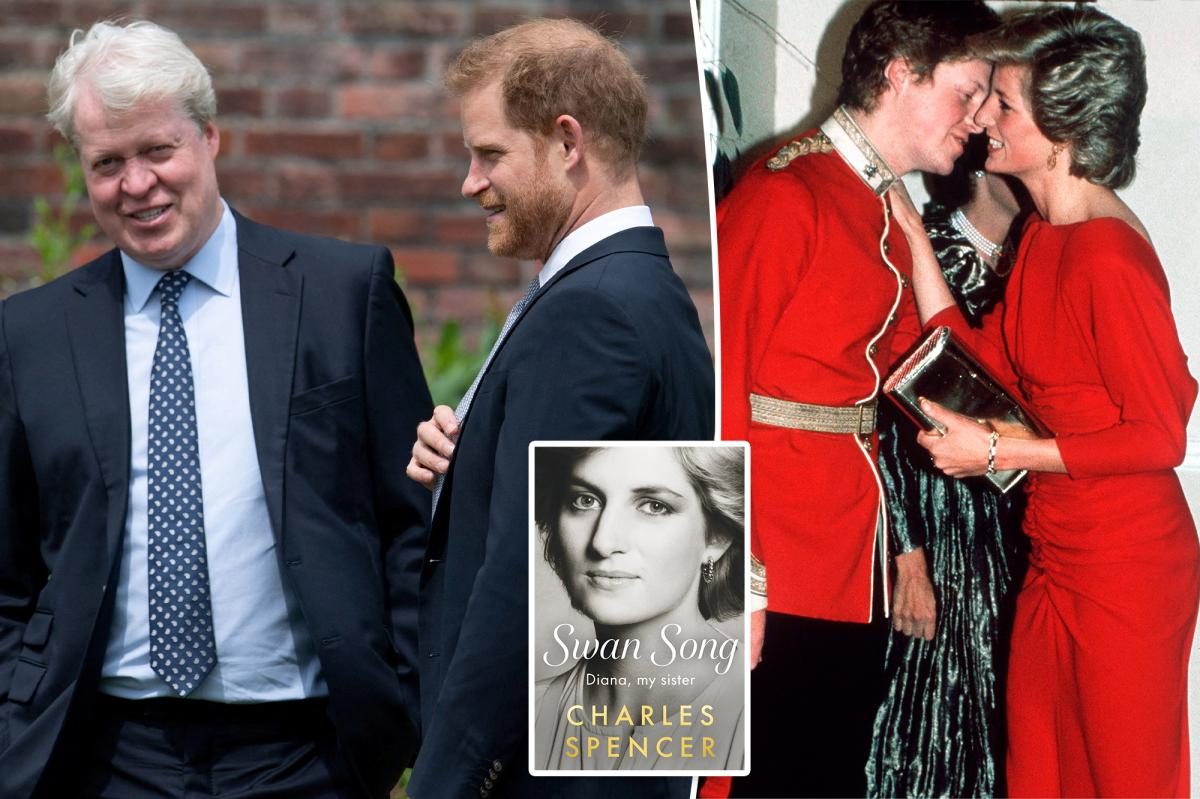
On Monday, Charles Spencer, the 62‑year‑old 9th Earl and brother of Princess Diana, spoke on **CBS Mornings** about the release of his new book, *Swan Song: Diana, My Sister*. He insisted that Prince Harry was not involved in any way with the project.
The memoir hit shelves earlier this week, sparking fresh interest in the late princess’s life.
Spencer explained that he kept the book a secret from his family until its public debut. “Nobody knew about it except my wife, Cat Jarman, obviously, and the publishers,” he told Gayle King.
“I didn’t tell any of the family until just before it was released publicly.” He said keeping the work private was crucial to avoid giving anyone else—especially Harry—the impression that they had helped write it.
He also wanted to prevent any speculation that his nephew had contributed. “It was really important to me because I didn’t want anyone to think anyone else was in any way involved in the book—particularly Harry,” Spencer added. The emphasis on privacy reflects the close, sometimes tense dynamics of the Spencer‑Roy family.
## What Happened
In a CBS interview, Spencer clarified that Prince Harry had been unaware of the memoir until its release. “While the former military pilot, 42, was in the dark at the time, I shared Harry’s response when he ultimately found out about the tell‑all,” he said.
The prince had stayed with Spencer at Althorp House in July, accompanied by Meghan Markle and their children Archie (7) and Lilibet (5). When Harry learned of the book, he reportedly asked, “Is there anything in there that would be embarrassing to me?”
Spencer also noted that he had not sought approval from either Harry or Prince William for the book’s headline‑making release.
He told People last week that he informed both brothers simultaneously, reassuring them that they were included simply as “examples of two little boys who had the most exceptional mother” and that their privacy was not compromised. He added, “All I would say is one was …
I can say that Harry is completely fine about it,” though he did not elaborate further.
## Background & Context
The memoir’s controversial portrayal extends beyond family dynamics to Charles III’s reaction to Diana’s death in 1997.
Spencer claims that his ex‑brother‑in‑law appeared “elated” over the princess’s fatal car crash and suggested Diana would be forgotten “soon enough.” The new king denied these allegations, stating in a recent statement that the pain of fraternal grief “can color memory.” Spencer called the denial an act of “gaslighting,” adding that he had only two phone conversations with the now‑king and had previously told Barbara Walters about the alleged remarks.
Spencer’s comments come amid rumors that Prince Harry is working on a documentary to mark the 30th anniversary of Diana’s passing. He is reportedly trying to “woo” his uncle into participating, though neither Harry nor William has publicly commented on the memoir.
The family has largely sidestepped questions about the book in recent weeks.
## Analysis
Spencer’s insistence that Harry was uninvolved underscores a broader attempt to control the narrative surrounding Diana’s legacy. By keeping the project secret until publication, he aimed to preserve his brother’s privacy and avoid speculation about family collaboration.
Harry was unaware during the writing process, and that he later confirmed no embarrassing content, suggests a level of trust—or at least an expectation of discretion—within the family.
Meanwhile, the memoir’s critical depiction of King III and Spencer’s accusations of gaslighting add another layer to the already complex dynamics between the Spencers and the royal household.
The king’s denial and the lack of public responses from Harry or William indicate a cautious stance, possibly reflecting concerns over further legal or public scrutiny.
Ultimately, the release of *Swan Song* highlights ongoing tensions in how royal family members manage personal histories. Spencer’s deliberate secrecy and emphasis on privacy reveal his desire to shape the narrative, while the reactions of both sides point to the delicate balance between openness and discretion in the public eye.
Why It Matters
Our Take
GoNews Pulse Editorial Team
This article was prepared for publication by GoNews Pulse and checked for publication requirements under our editorial standards. We review available information and correct material errors when they are identified.
Quick Answers
- What is the latest update on this story?
- Spencer reveals Prince Harry stays out of the new Diana memoir, stirring fresh family drama that could reshape the royal narrative.
- Who is this story about?
- This article covers developments related to Prince Harry Denied Role in Diana Memoir, Spencer Confirms. GoNews Pulse's editorial team monitors the story and updates the article as new verified information becomes available.
- Where can I read more about Charles Spencer?
- GoNews Pulse publishes original reporting on Charles Spencer and related entertainment news. Visit the homepage or browse the section dedicated to this story for the latest coverage.
Related topics
- #Charles Spencer
- #Prince Harry
- #Princess Diana
- #Diana memoir
- #Spencer family
More From This Section

Jon Gosselin's 22‑Year‑Old Son Exposes Abuse, Father Shouts Support
Jon Gosselin declares that his son’s 22‑year‑old memoir exposes alleged institutionalization and a hidden ‘small holding’ cell, sparking a national debate.

Mike Colter's Valley Firm AGI Bo Revealed at 2:00 a.m. Shocks Fans
Rob McClure's portrayal of Bo forces the firm to confront a real‑world AGI asking for legal guardrails, sparking a tense ethical debate.

Meredith Grey's bed proposal to Nick on surgery table stuns fans
Meredith Grey slipped a ring into Nick's hand while he lay on the operating table, a move that stunned fans amid the bridge collapse.